

Photography isn’t just about what you see. It’s about what you hear, smell, feel, and experience in the moment you press the shutter. Sensory photography transforms your creative practice by engaging all your senses and cultivating mindfulness, turning every shot into a deeper connection with your subject. This guide reveals how to practice this approach, especially in Italy’s richly textured environments, to create images that resonate with authentic emotion and artistic depth.
Table of Contents
- Understanding Sensory Photography: Beyond The Visual
- Techniques To Cultivate Sensory Awareness In Photography
- The Role Of Mindfulness And Emotional Connection In Sensory Photography
- Applying Sensory Photography In Italy: Landscapes And Cultural Stories
- Discover Immersive Sensory Photography Experiences In Italy
- Frequently Asked Questions
Key takeaways
| Point | Details |
|---|---|
| Multi-sensory engagement | Sensory photography combines mindfulness with observation using all five senses, not just sight. |
| Slow down to see more | Techniques like the Two-Walk Method train you to notice details before capturing images. |
| Embrace imperfection | Letting go of technical perfectionism opens pathways to stronger emotional and creative work. |
| Italy as practice ground | Italy’s diverse landscapes, sounds, and cultural textures offer ideal settings for sensory exploration. |
Understanding sensory photography: beyond the visual
Most photographers rely heavily on visual observation. You frame, compose, and capture what your eyes see. Sensory photography shifts this paradigm entirely by inviting you to engage your entire body and mind in the photographic process. Instead of rushing to capture an image, you pause, breathe, and absorb the environment through multiple sensory channels.
At its core, sensory photography is about cultivating presence. Meditative photography walks cultivate presence and reduce mental chatter by focusing on sensory awareness, which helps you observe more deeply before you shoot. This isn’t simply a creative exercise. Mindfulness studies show significant stress reduction through sensory awareness, proving that this approach benefits both your photography and your well-being.
Sensory photography distinguishes itself from purely technical methods by prioritizing authentic experience over camera settings. You’re not chasing perfect exposure or razor-sharp focus as primary goals. Instead, you’re asking: What does this place sound like? How does the air feel on my skin? What emotions arise as I stand here?
Consider the five senses you engage:
- Sight: observing light quality, colors, textures, and movements
- Sound: listening to ambient noise, conversations, nature, or silence
- Smell: noticing scents from food, flowers, rain, or urban environments
- Touch: feeling temperature, wind, surfaces, and spatial relationships
- Taste: experiencing the atmosphere and cultural flavors of a place
When you enhance travel photography skills italy through sensory awareness, you create images that tell richer stories. Your photographs capture not just a scene, but the full atmosphere and emotional resonance of a moment.
Pro Tip: Before raising your camera, close your eyes for 30 seconds. Listen, smell, and feel the environment. This simple practice resets your awareness and reveals photographic opportunities you might otherwise miss.
Techniques to cultivate sensory awareness in photography
Developing sensory awareness requires deliberate practice. The most effective method is the Two-Walk Method, a structured exercise that separates observation from capture. Learning to see: photography exercise with two-walk method encourages photographers to develop deeper photographic awareness by focusing on sensory experiences before taking photos.
Here’s how to practice it:
- Take your first walk without your camera. Move slowly through your chosen location, paying attention to everything your senses detect. Notice light patterns, sounds, smells, textures, and how the space makes you feel.
- During this walk, make mental notes or jot down observations. What catches your attention? What surprises you? What emotions emerge?
- Return to the same location for your second walk, this time with your camera. Use your sensory notes to guide what you photograph. You’ll find that your images reflect deeper awareness and intentionality.
- Review your photos later and compare them to your sensory notes. This reveals patterns in what draws your creative attention.
Conscious observation in sensory photography involves engaging multiple senses to perceive the environment fully. This isn’t passive looking. It’s active, curious exploration that invites discovery.
Slowing down is essential. When you rush, you default to familiar patterns and miss nuanced details. Sensory photography asks you to resist the urge to immediately shoot everything. Instead, sit with a scene. Let it reveal itself to you.
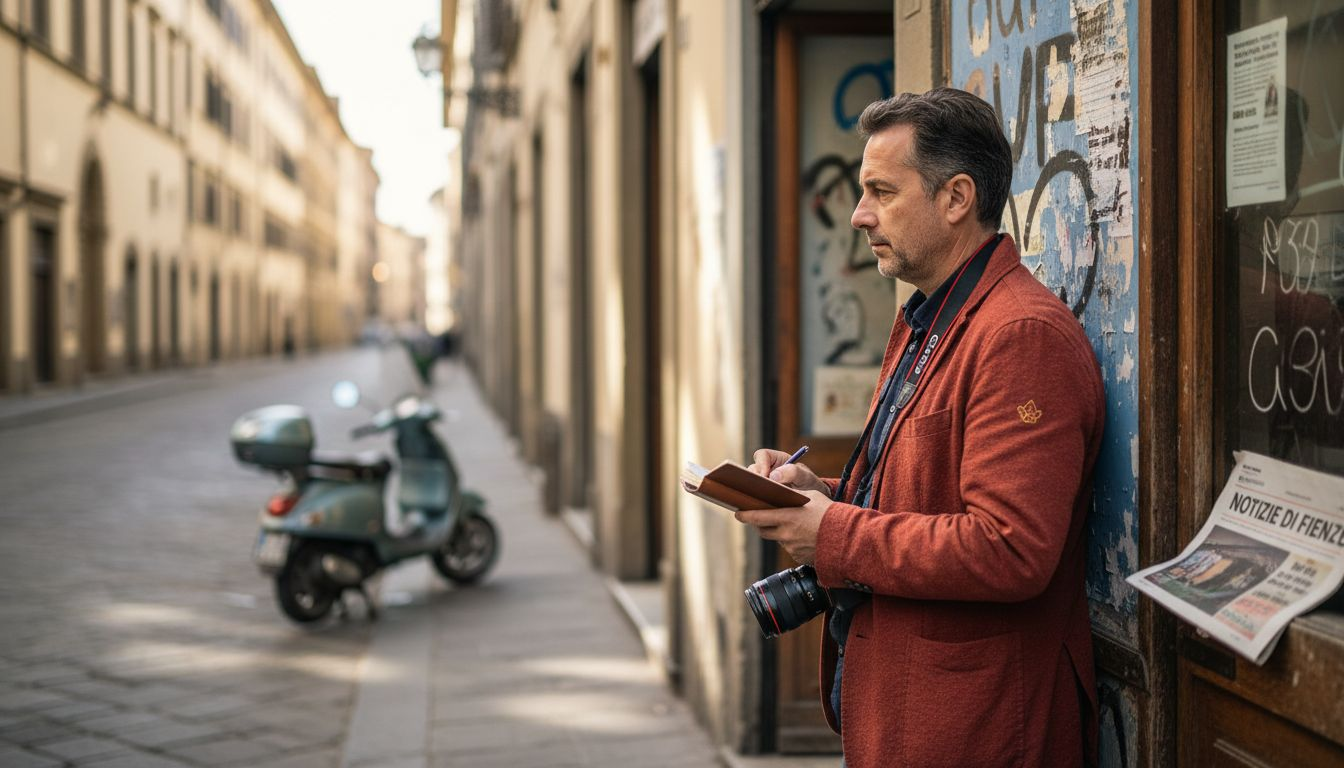
Quieting your inner critic matters just as much. Many photographers judge their work harshly, focusing on technical flaws rather than emotional impact. Sensory photography encourages you to embrace imperfection. A slightly soft image that captures genuine atmosphere often resonates more powerfully than a technically perfect but emotionally empty shot.
Practice repeatedly in the same location. Familiarity doesn’t breed boredom in sensory photography. It deepens your perception. Each visit reveals new details as your awareness sharpens.
Pro Tip: Carry a small notebook during your walks. After each session, write three sensory details you noticed and three emotions you felt. Over time, these notes reveal your unique photographic voice and what subjects genuinely move you.
When you apply this approach through urban photography workflow italy guide, you transform how you navigate cityscapes, finding intimate moments within bustling environments.
The role of mindfulness and emotional connection in sensory photography
Mindfulness forms the foundation of sensory photography. It’s the practice of being fully present without judgment, allowing you to observe the world as it is rather than how you expect it to be. This mental shift unlocks creative possibilities that technical skill alone cannot access.
Mindfulness helps photographers move beyond pre-conceived ideas and agendas, allowing them to capture images based on genuine observation and emotional response. Instead of hunting for specific shots you’ve planned, you remain open to what the moment offers.
This approach reduces the tyranny of perfectionism. Many photographers carry an internal critic that constantly evaluates whether each shot is “good enough.” Mindfulness teaches you to notice this voice without letting it control your creative choices. You photograph what genuinely moves you, not what you think should be photographed.
Emotional connection becomes your primary guide. When something stirs an authentic reaction, curiosity, wonder, nostalgia, joy, that’s your signal to engage more deeply. Your camera becomes a tool for exploring and honoring that emotional response rather than documenting surface appearances.
Consider these mindfulness benefits for photographers:
- Sharper observation skills that notice subtle details and fleeting moments
- Deeper emotional engagement with subjects, leading to more resonant images
- Reduced anxiety about technical perfection, freeing creative experimentation
- Greater patience to wait for the right light or decisive moment
- Stronger connection between photographer and environment
Mindfulness also helps you recognize truly creative moments. These aren’t necessarily dramatic scenes or perfect lighting. Often, they’re quiet instances where light, subject, and emotion align in unexpected ways. Technical knowledge tells you how to capture these moments. Mindfulness helps you recognize them in the first place.
When you combine mindfulness with fine art travel photography italy techniques, you create work that transcends tourist snapshots. Your images carry the weight of genuine experience and emotional truth.
This approach particularly enhances storytelling. When you enhance italy photos human storytelling, mindfulness helps you perceive the authentic narratives unfolding around you. You capture not just people in a place, but the relationships, emotions, and cultural moments that reveal deeper truths.
Applying sensory photography in Italy: landscapes and cultural stories
Italy offers an extraordinarily rich canvas for sensory photography. The country’s diverse environments, from Alpine peaks to Mediterranean coastlines, ancient cities to rural villages, provide endless opportunities to practice multi-sensory observation and mindful image making.
Start in familiar locations. Learning to see exercise works best in familiar places because we think we know them already. This creates perfect conditions for sensory photography to reveal what you’ve overlooked. If you live near or frequently visit Venice, practice your Two-Walk Method there before exploring new destinations.
Italy’s sensory palette is particularly abundant. Consider what you might notice: church bells echoing through narrow streets, the smell of fresh espresso mingling with sea salt air, warm stone walls under your fingertips, the taste of morning fog in a Tuscan valley. These sensory details enrich your photographic vision and help you capture atmosphere, not just architecture.
Different Italian environments offer distinct sensory experiences:
| Setting | Sensory Focus | Photographic Opportunity |
|---|---|---|
| Urban landscapes | Sounds of daily life, architectural textures, crowd movements | Capturing the rhythm and energy of Italian cities through layered compositions |
| Coastal areas | Sea breeze, salt air, wave sounds, changing light on water | Emphasizing atmosphere and mood through soft focus and muted palettes |
| Rural countryside | Silence, earth smells, wind through crops, birdsong | Finding intimate details and vast vistas that convey solitude and connection to land |
| Historic sites | Stone textures, echoes, ancient smells, temperature changes | Revealing the weight of history through light, shadow, and human scale |
When you why shoot in venice unlock unique creative photography, sensory awareness transforms familiar tourist locations into deeply personal visual experiences. The same piazza photographed by millions becomes uniquely yours when you capture it through your specific sensory and emotional lens.
Cultural storytelling benefits enormously from sensory practice. When you photograph markets, festivals, or daily life, engaging all your senses helps you anticipate moments and understand context. You notice the vendor’s hands arranging produce, the quality of morning light on faces, the rhythm of conversations. These observations inform when and how you photograph.
Pro Tip: After each photography walk in Italy, spend five minutes writing what you noticed with each sense. This practice deepens your sensory awareness over time and reveals patterns in what draws your creative attention, helping you develop a distinctive photographic style.
Exploring cultural photography ideas italy creative storytelling through a sensory lens means your images carry authentic cultural context rather than superficial exoticism. You photograph from a place of genuine curiosity and respect.
Discover immersive sensory photography experiences in Italy

Ready to transform your photography through hands-on sensory practice in Italy’s most inspiring locations? Photography tours italy with Italy Photo Tour offer immersive experiences designed specifically for enthusiast photographers seeking to deepen their artistic vision. Our guided explorations in Venice, Milan, Lake Como, and beyond combine expert instruction with mindful observation techniques.
Each tour emphasizes slowing down, engaging all your senses, and capturing images that reflect genuine emotional connection. You’ll learn to see familiar subjects with fresh eyes and discover hidden stories in iconic locations. Discover what we do and how our approach nurtures creative growth through sensory awareness. Join italy photo tour to experience Italy as a living, breathing canvas for your most meaningful photographic work.
Frequently asked questions
What exactly is sensory photography?
Sensory photography is a mindful approach that engages all five senses during the photographic process, not just visual observation. It emphasizes presence, emotional connection, and multi-sensory awareness to create images with deeper atmosphere and authenticity. This practice slows you down and helps you capture the full experience of a place.
How does the Two-Walk Method work?
The Two-Walk Method involves walking through a location twice. First without your camera, focusing purely on sensory observation and noting what you notice. Then you return with your camera, using those sensory insights to guide what and how you photograph. This separation of observation and capture deepens awareness and intentionality.
Why does engaging multiple senses improve my photographs?
When you notice sounds, smells, textures, and emotions alongside visual elements, you gain richer context and deeper connection to your subject. This multi-sensory awareness helps you anticipate moments, recognize authentic stories, and capture atmosphere that purely visual observation might miss. Your images become more emotionally resonant.
How does mindfulness specifically help photography?
Mindfulness reduces judgment and preconceptions, allowing you to see what’s actually present rather than what you expect. It quiets your inner critic, helping you photograph based on genuine emotional response instead of technical perfectionism. This presence sharpens your observation and helps you recognize creative moments as they unfold.
What’s the easiest way to start practicing sensory photography?
Begin with a simple exercise in a familiar location. Before raising your camera, pause for 30 seconds with eyes closed, noticing sounds, smells, and how the air feels. Then look around and photograph one thing that genuinely moves you emotionally. Practice this regularly, and sensory awareness will become natural.
Can sensory photography work in busy tourist locations?
Absolutely. Busy locations offer rich sensory experiences: crowd movements, multiple languages, varied smells, changing light. Sensory awareness helps you find intimate moments within chaos and capture authentic atmosphere rather than generic tourist shots. Familiarity with a location actually enhances sensory practice.