

Stepping into the dynamic streets of Italy means unlocking a world where medieval towers stand beside buzzing piazzas and daily rituals play out against Renaissance facades. For American photographers eager to capture authentic urban moments, Italy’s cities and lesser-known districts offer endless possibilities to showcase architectural beauty and vibrant culture. This guide helps you research, prepare, and plan for defining shots that blend technical skill with heartfelt storytelling in some of Europe’s most photogenic urban environments.
Table of Contents
- Step 1: Research Ideal Italian Urban Locations
- Step 2: Prepare the Right Photography Gear
- Step 3: Plan Shots Leveraging Light and Atmosphere
- Step 4: Engage with Local Culture for Authentic Stories
- Step 5: Review and Refine Photos for Artistic Impact
Quick Summary
| Key Insight | Explanation |
|---|---|
| 1. Choose Diverse Italian Cities | Explore cities like Rome, Milan, and Venice for iconic photos, but also consider Bologna and Siena for authentic local scenes. |
| 2. Invest in Versatile Photography Gear | Use a lightweight camera with interchangeable lenses; ensure you have equipment suited for various environments and light conditions. |
| 3. Master Timing with Light | Capture images during golden hours or at night; experiment with exposure to highlight movement and atmosphere in urban scenes. |
| 4. Engage with Local Culture | Connect with the community through conversations and interactions to capture authentic human moments in your photography. |
| 5. Refine Images During Editing | Focus on enhancing your photos through careful post-processing; adjust elements to highlight emotional depth and story. |
Step 1: Research Ideal Italian Urban Locations
Researching the perfect urban photography locations in Italy requires strategic planning and deep understanding of the country’s diverse cityscape. By carefully selecting your destinations, you can capture extraordinary visual narratives that showcase Italy’s architectural beauty and cultural richness.
Start your urban photography journey by exploring iconic cities like Rome, Milan, and Venice. Each city offers unique photographic opportunities. Historic urban environments reveal fascinating architectural details ranging from medieval towers to Renaissance piazzas. Consider investigating lesser-known urban districts that provide authentic glimpses into local life. Cities such as Bologna, Siena, and Perugia offer intricate street scenes with medieval architecture, narrow roads, and charming public squares that create compelling photographic compositions.
When selecting locations, consider factors like architectural diversity, lighting conditions, pedestrian accessibility, and cultural context. Research local events, understand seasonal variations in light, and scout potential shooting locations through online resources, photography forums, and local recommendations. Mapping out your photography route beforehand will help you maximize your creative potential and capture stunning urban scenes that tell compelling stories.
Here’s a comparison of key Italian cities for urban photography:
| City | Distinctive Features | Best Subjects | Photographic Mood |
|---|---|---|---|
| Rome | Ancient ruins, Baroque piazzas | Monuments, lively streets | Historic and vibrant |
| Milan | Modern skyscrapers, fashion hubs | Architecture, fashionistas | Dynamic and cosmopolitan |
| Venice | Canals, Renaissance facades | Bridges, gondolas | Romantic and mysterious |
| Bologna | Medieval towers, university areas | Arcades, students | Intellectual and authentic |
| Siena | Walled city, Gothic architecture | Piazzas, daily rituals | Intimate and timeless |
| Perugia | Hilltop views, Etruscan influence | Narrow streets, public art | Artistic and rustic |
Pro tip: Create a digital map highlighting potential photography locations and mark the best times of day for capturing unique lighting and urban atmospheres.
Step 2: Prepare the Right Photography Gear
Preparing the appropriate photography equipment is crucial for capturing stunning urban scenes in Italy. Your gear selection will directly impact your ability to document the intricate details and dynamic landscapes of Italian cities.
Urban photography demands versatile equipment that can adapt quickly to changing environments. Invest in a lightweight camera body with excellent manual controls and interchangeable lenses. Wide-angle lenses are essential for capturing expansive cityscapes, while telephoto lenses allow you to isolate architectural details and street scenes from a distance. A compact yet sturdy tripod will prove invaluable for long exposure shots, especially during low light conditions or when photographing nighttime urban landscapes.
Consider packing additional practical accessories like a neutral density filter for managing bright sunlight, extra batteries to ensure continuous shooting, and a weatherproof camera bag that protects your equipment while remaining comfortable during long walking tours through Italy’s diverse urban environments. Choose gear that balances portability with performance, enabling you to move swiftly and capture spontaneous moments without being weighed down by excessive equipment.
Below is a summary of essential photography gear and its purpose for city shoots:
| Equipment Type | Main Use | Urban Benefit |
|---|---|---|
| Mirrorless camera | Manual controls, portability | Quick adjustments, light carry |
| Wide-angle lens | Expansive city views | Capture broad architecture |
| Telephoto lens | Isolate details | Highlight distant subjects |
| Tripod | Steady long exposures | Sharp nighttime cityscapes |
| ND filter | Control sunlight | Avoid overexposed images |
| Weatherproof bag | Protect gear | Safe on streets, any weather |
Pro tip: Invest in a lightweight mirrorless camera system with multiple lens options to maximize flexibility and minimize baggage weight.
Step 3: Plan Shots Leveraging Light and Atmosphere
Mastering urban photography in Italy requires understanding how light and atmosphere can transform ordinary scenes into extraordinary visual narratives. Your ability to anticipate and work with different lighting conditions will dramatically enhance the emotional impact of your images.
Urban light creates dramatic photographic opportunities throughout the day. Focus on capturing scenes during the golden hour soon after sunrise and before sunset, when warm directional light casts long shadows and adds depth to architectural details. Nighttime offers unique possibilities with artificial city lights creating vibrant and dynamic compositions. Experiment with long exposure techniques to capture light trails from passing vehicles, illuminate urban landscapes, and create ghostly effects that reveal the city’s movement and energy.
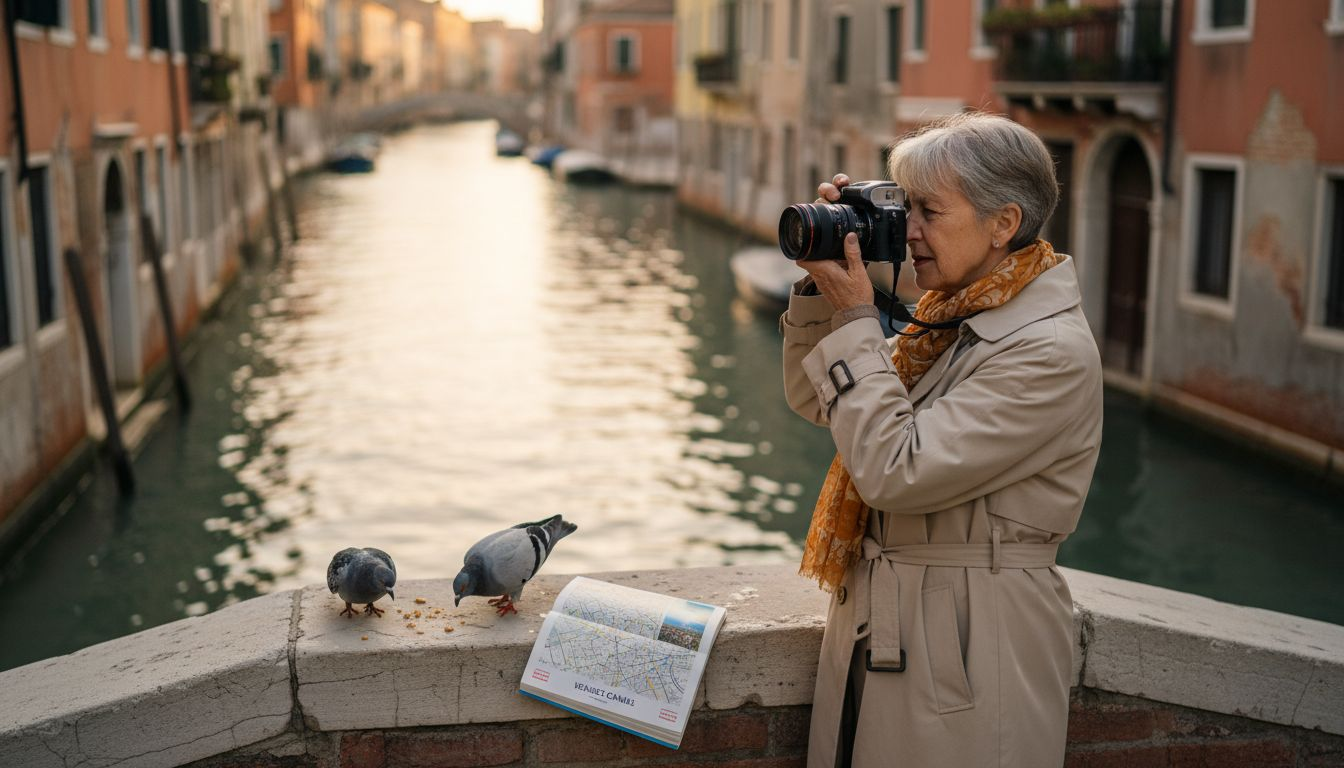
Consider how weather and atmospheric conditions can add mood to your photographs. Foggy mornings can soften urban landscapes, while dramatic cloud formations can provide natural framing for historic buildings. Reflections in wet streets, shadows cast by narrow alleyways, and the interplay of natural and artificial light can transform ordinary urban scenes into compelling visual stories that capture the essence of Italian city life.
Pro tip: Carry a lightweight tripod and experiment with exposure times between 1 and 30 seconds to capture the most intriguing urban light trails and atmospheric effects.
Step 4: Engage with Local Culture for Authentic Stories
Captivating urban photography transcends technical skills and requires deep cultural understanding. Your photographs will become meaningful narratives when you connect authentically with the local environment and people of Italian cities.
Approach street photography with respect and curiosity. Learn basic Italian phrases to communicate with locals, which can help you gain permission for portraits and understand the nuanced stories behind each urban scene. Spend time observing neighborhood rhythms walk slowly through local markets, cafes, and residential streets where everyday life unfolds. Seek out interactions that reveal genuine human moments street musicians, artisan workshops, multigenerational families gathering in piazzas, and local workers going about their daily routines.
Documenting urban life means becoming a temporary participant rather than a passive observer. Attend local festivals, explore neighborhoods beyond tourist centers, and be patient in capturing spontaneous interactions. Blend into the environment by dressing inconspicuously, moving slowly, and showing genuine interest in the community. Your photographs will reveal deeper emotional layers when you approach them as visual stories that honor the dignity and complexity of Italian urban life.
Pro tip: Carry a small portfolio of your previous work to share with locals and build trust before requesting photographs.
Step 5: Review and Refine Photos for Artistic Impact
Transforming your urban photography from good to extraordinary requires a thoughtful and critical approach to post processing and artistic refinement. The editing process is where raw images evolve into compelling visual narratives that capture the soul of Italian urban landscapes.
Post production techniques enhance photographic storytelling by carefully sculpting light, perspective, and emotional tone. Begin by critically analyzing each image for compositional strength and narrative potential. Correct perspective distortions in architectural shots, adjust converging lines to create visual harmony, and use color grading to emphasize the mood of your urban scenes. Pay special attention to the interplay of light and shadow, which can dramatically transform an ordinary street scene into a powerful artistic statement.
Approach your editing process as a form of visual storytelling. Focus on refining details that reveal the character of Italian urban life subtle expressions, architectural textures, and unexpected moments of human connection. Experiment with black and white conversions to highlight structural elements, or use selective color techniques to draw attention to key emotional components of your image. Remember that great urban photography is not about technical perfection, but about capturing the essence of a moment and inviting viewers to explore the deeper stories within your frame.
Pro tip: Create a consistent editing style across your photo series by developing a personalized preset that reflects the emotional atmosphere of Italian urban landscapes.
Elevate Your Urban Photography in Italy with Expert Guidance
Capturing stunning city scenes in Italy means mastering the art of light, atmosphere, and authentic storytelling as highlighted in our guide. If you find yourself challenged by the complexity of choosing the right locations, managing diverse lighting conditions, or connecting with local culture to reveal genuine stories you are not alone. Many photographers struggle to balance technical skills with artistic vision while navigating Italy’s rich urban landscapes.
Our Italy Photo Tour offers immersive photography experiences tailored to unlock your creative potential. Guided by professional photographer Mino Di Vita you will explore iconic cities such as Milan and Venice with an emphasis on craftsmanship in light and shadow. From planning your shooting routes to personalized coaching on harnessing natural light and cultural interactions our tours are designed to help you overcome the typical pain points of urban photography in Italy.

Don’t wait to transform your pictures and your approach to cityscape photography. Book your curated tour today at Italy Photo Tour and step confidently into Italy’s vibrant urban scenes. Experience firsthand how thoughtful preparation and local insight create unforgettable photographic stories.
Frequently Asked Questions
What are the best cities in Italy for urban photography?
The best cities for urban photography in Italy include Rome, Milan, and Venice, each offering unique architectural and cultural opportunities. Plan to explore iconic landmarks and less touristy neighborhoods to capture a diverse range of scenes.
How should I prepare my photography gear for capturing urban scenes?
Preparing the right gear involves choosing a lightweight camera with versatile lenses, such as a wide-angle and a telephoto lens. Prioritize packing a tripod for stability during long exposures and ensure you have essential accessories like extra batteries and a weatherproof bag.
What time of day is ideal for urban photography in Italy?
The ideal times for urban photography are during the golden hour—shortly after sunrise and before sunset—when lighting is warm and shadows are long. Capture city scenes during these times to achieve stunning depth and atmosphere in your photographs.
How can I engage with local culture while photographing urban scenes?
Engaging with local culture involves approaching street photography with respect and curiosity. Learn a few basic Italian phrases and spend time in local neighborhoods to interact with residents, allowing you to capture authentic moments and stories.
What editing techniques should I use to enhance my urban photographs?
To enhance your urban photographs, focus on correcting perspective distortions and adjusting light and shadow for emotional tone. Experiment with color grading and black-and-white conversions to shape the mood and highlight important details in your images.
What steps can I take to understand the lighting conditions better?
Understanding lighting conditions can be achieved by observing how light changes throughout the day and during different weather conditions. Familiarize yourself with locations at various times to plan shots that leverage natural and artificial light effectively.