

Many amateur photographers think shadows darken and ruin images. The opposite is true. Photographers who integrate shadows effectively increase perceived mood impact by over 50%. Shadows create depth, define form, and tell visual stories. This guide teaches you to master shadows for compelling photos, especially on Italy photography tours where lighting varies dramatically across landscapes and historic urban scenes.
Table of Contents
- Introduction To Shadows In Photography
- How Shadows Enhance Depth And Dimensionality
- Shadow Quality And Emotional Impact
- Common Misconceptions About Shadows In Photography
- Techniques For Using Shadow In Photography
- Natural Light And Shadow Quality In Outdoor Photography
- Applying Shadow Techniques In Italy Photography Tours
- Summary And Next Steps For Creativity With Shadows
- Explore Italy Through Expert-Guided Photography Tours
Key Takeaways
| Point | Details |
|---|---|
| Shadows create three-dimensional perception | They add contrast and define form, making flat images appear dimensional. |
| Hard versus soft shadows shape mood dramatically | Sharp shadows create tension; blurred shadows convey calm. |
| Shadow direction reveals texture and shape | Side lighting emphasizes form; front lighting flattens subjects. |
| Common myths limit creative shadow use | Shadows enhance rather than weaken images when used intentionally. |
| Italian lighting offers unique shadow opportunities | Golden hour softness and midday drama suit diverse photography styles. |
Introduction to Shadows in Photography
Understanding what shadows are scientifically helps you control them creatively. A shadow forms when an object blocks light from reaching a surface. Every shadow has two parts: the umbra (darkest area where light is completely blocked) and the penumbra (partially lit shadow area) that defines softness.
The size of your light source affects shadow edge sharpness. A small, distant light like the sun creates sharp edges. A large, close light like an overcast sky creates soft, graduated edges. This fundamental relationship between light source size and shadow quality gives you predictable control.
Key shadow formation factors include:
- Light source size and distance from subject
- Object opacity and shape blocking the light
- Surface receiving the shadow and its texture
- Penumbra width determining edge sharpness
Grasping these basics allows you to predict how shadows will appear before you press the shutter.
How Shadows Enhance Depth and Dimensionality
Photographs are flat, two-dimensional surfaces. Shadows provide visual cues about form and depth through light and dark contrast, creating the illusion of three dimensions. Without shadows, subjects appear flat and lack visual interest.
Side lighting produces the strongest dimensional effect. It creates shadows that define shape and texture, increasing perceived texture contrast by up to 40%. Front lighting reduces shadows, often flattening subjects and diminishing their sculptural qualities. Backlight creates rim light and silhouettes, offering dramatic depth but requiring careful exposure.
Understanding the role of light and shadow in creating form helps you position yourself relative to your light source. Move around your subject. Watch how shadows shift and reveal different aspects of shape and texture.
Pro Tip: Walk a full circle around your subject if possible, observing how shadows change with light direction. The most dimensional view usually appears at 45 to 90 degrees from the light source.
Shadow placement guides the viewer’s eye to important details:
- Shadows under objects anchor them to surfaces
- Shadows beside subjects reveal side contours
- Shadows behind subjects separate them from backgrounds
- Attached shadows on the subject reveal surface texture
Shadow Quality and Emotional Impact
Not all shadows are equal. Shadow quality profoundly affects how viewers feel about your image. Hard shadows with sharp edges create drama and tension, while soft shadows with blurred edges convey calmness and subtlety.
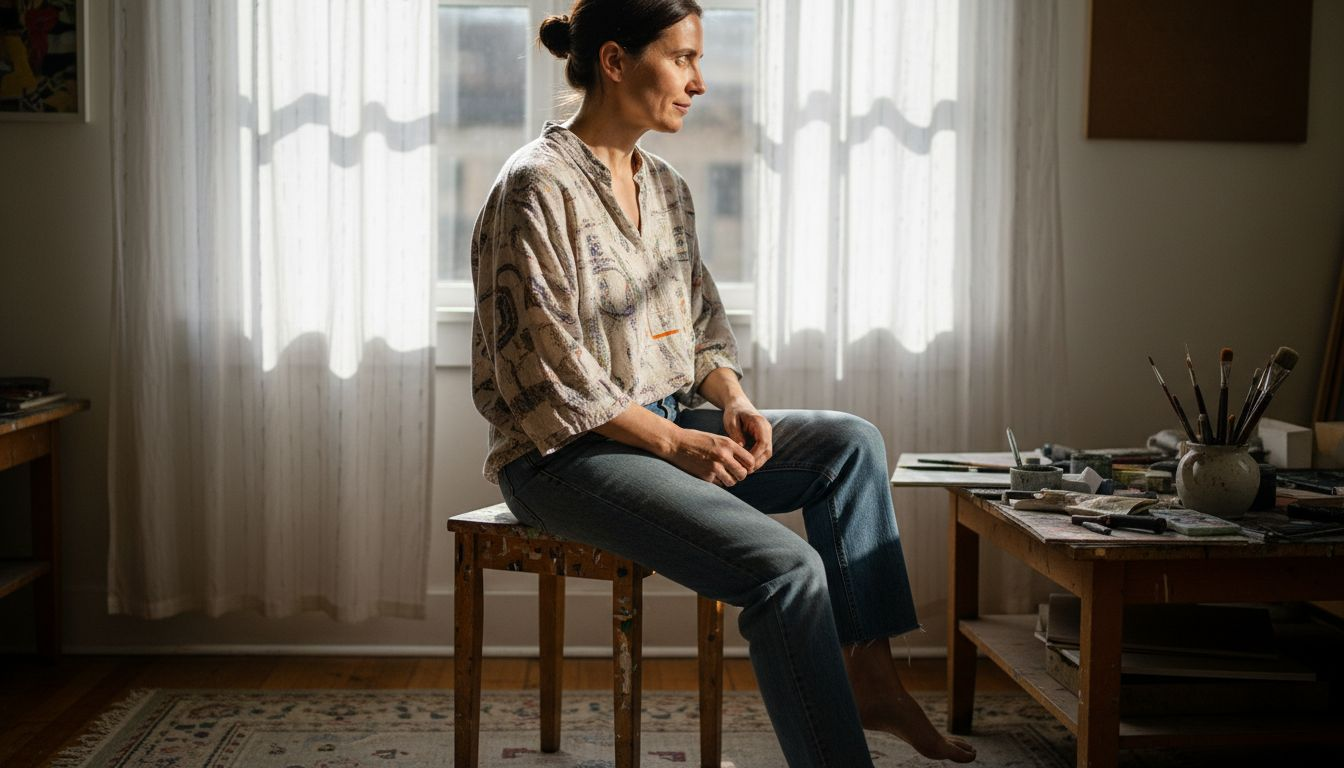
The contrast ratio between highlights and shadows determines hardness. Direct sun produces ratios exceeding 20:1, creating stark separation. Diffused light yields ratios below 5:1, producing gentle transitions. Your choice of shadow hardness sets the emotional tone.
Two shadow types serve different purposes. Cast shadows project onto surfaces away from the subject, adding layering and storytelling elements. Attached shadows remain on the subject itself, revealing texture and form details. Both appear in most images, but emphasizing one over the other shifts shadow quality and mood.
| Shadow Type | Characteristics | Best Uses | Emotional Effect |
|---|---|---|---|
| Hard Shadows | Sharp edges, high contrast, defined boundaries | Drama, tension, graphic compositions | Energetic, bold, confrontational |
| Soft Shadows | Blurred edges, low contrast, gradual transitions | Portraits, calm scenes, subtlety | Peaceful, gentle, intimate |
| Cast Shadows | Projected on surfaces, storytelling elements | Leading lines, compositional frames | Mysterious, narrative depth |
| Attached Shadows | On subject surface, reveal texture | Form definition, material qualities | Realistic, dimensional |
Pro Tip: Match shadow hardness to your subject’s mood. Photograph children or gentle landscapes during soft light. Capture urban architecture or dramatic portraits in hard light.
Consider these shadow applications:
- Long cast shadows at sunrise or sunset add mystery
- Short midday shadows emphasize downward textures
- Soft window light flatters portrait subjects
- Hard shadows create graphic patterns in street photography
Common Misconceptions About Shadows in Photography
Many amateurs avoid shadows based on misunderstandings that limit creative potential. Dispelling these myths unlocks new photographic possibilities.
Myth: Shadows always darken and spoil images. Reality: Shadows add drama and clarity by enhancing contrast and form. They guide attention to highlights and create visual hierarchy. Without shadows, images lack dimension and interest.
Myth: Soft shadows indicate poor lighting conditions. Reality: Soft shadows reflect diffused natural light, prized for flattering portraits and serene landscapes. Overcast days and open shade produce beautiful, controllable light that professionals seek intentionally.
Myth: Shadows obscure important subject details. Reality: Strategic shadow placement emphasizes details by creating contrast. Misconceptions about shadows prevent photographers from using them as compositional tools that direct viewer focus precisely where intended.
Understanding these facts changes your approach:
- Shadows reveal rather than hide when used intentionally
- Soft light creates mood, not photographic failure
- Contrast from shadows separates subjects from backgrounds
- Shadow patterns add visual interest and rhythm
- Embracing shadows expands creative options
You gain confidence by recognizing shadows as essential photographic elements rather than problems to avoid.
Techniques for Using Shadow in Photography
Controlling shadows requires observation, positioning, and technical adjustments. These practical steps help you integrate shadows purposefully.
Observe natural light direction before shooting. Notice where shadows fall and how they define your subject. Anticipate how moving your position changes shadow appearance.
Use side or backlighting for dramatic shadows that enhance storytelling, potentially increasing image drama by 35%. Position yourself so light rakes across textures or creates silhouettes.
Adjust exposure to balance shadow and highlight details. Expose for highlights and lift shadows in post-processing, or expose for midtones to retain detail in both areas. Avoid clipping either extreme.
Compose with shadows as leading lines or frames. Photographers who compose shadows creatively report increased viewer engagement and perceived image depth. Let shadow patterns guide eyes through your frame.
Experiment with different times of day for shadow variety. Morning and evening produce long, directional shadows. Midday creates short, intense shadows. Each offers unique opportunities.
Pro Tip: Don’t fear shadows or try eliminating them completely. Plan for them as integral compositional elements that strengthen your visual story.
Practical shadow techniques include:
- Using shadows to frame subjects within the image
- Creating rhythm with repeating shadow patterns
- Isolating subjects by placing them in light surrounded by shadow
- Adding mystery by partially obscuring elements in shadow
- Emphasizing texture through raking sidelight
Natural Light and Shadow Quality in Outdoor Photography
Outdoor lighting conditions constantly change, affecting shadow appearance. Understanding these variations helps you adapt techniques for optimal results.
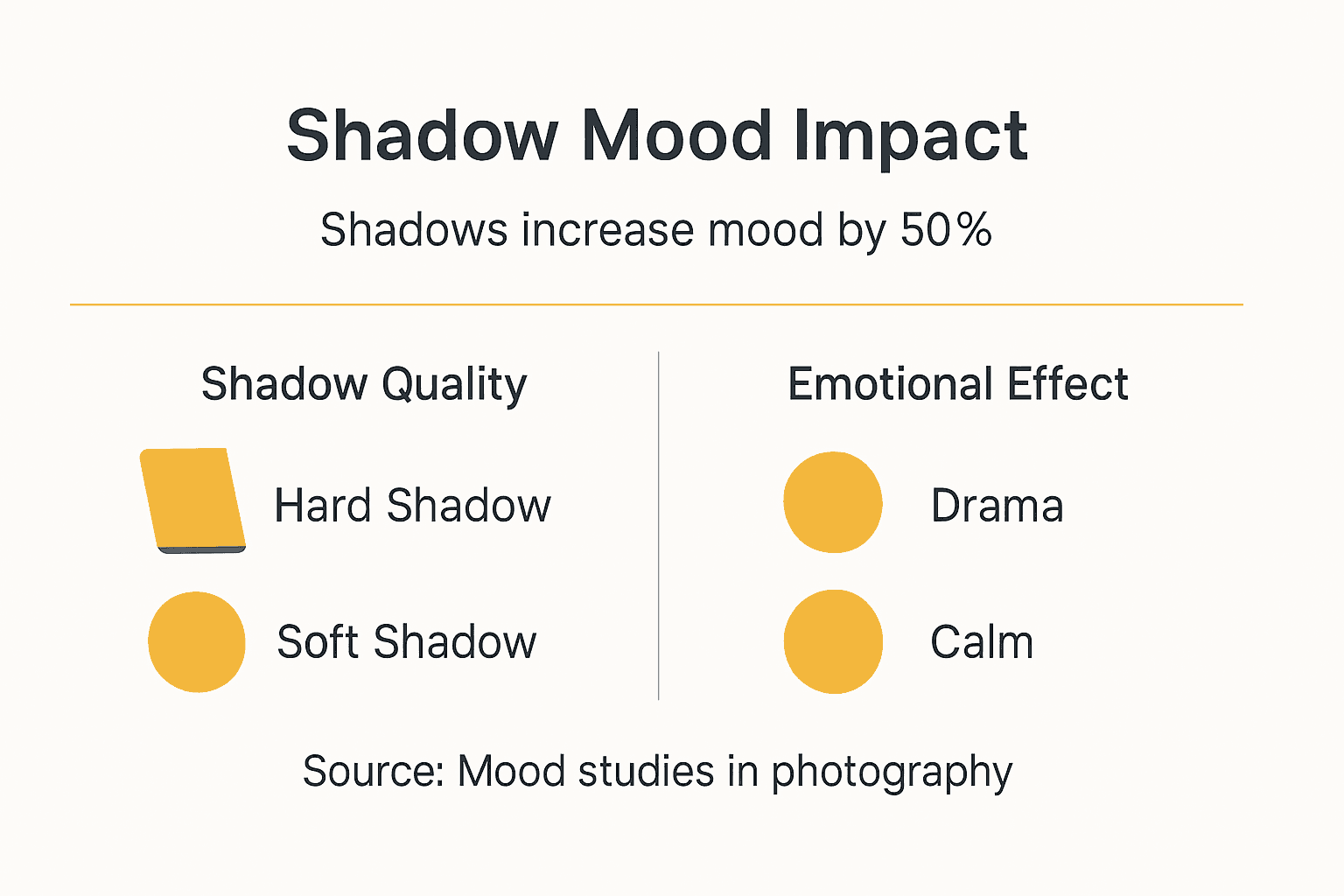
Direct sunlight creates sharp shadows with contrast ratios over 20:1, while overcast skies soften shadows with ratios below 5:1. Cloud cover acts as a giant diffuser, spreading light and reducing shadow intensity. This knowledge lets you predict shadow behavior based on weather.
Time of day dramatically affects shadow length and direction. Early morning and late afternoon sun travels at low angles, producing long shadows. Midday sun comes from directly overhead, creating short, intense shadows. Your shooting time determines available shadow styles.
Shadow quality varies predictably with natural light and shadows:
| Lighting Condition | Shadow Hardness | Contrast Ratio | Best Photography Applications |
|---|---|---|---|
| Direct Noon Sun | Very Hard | 20:1 or higher | Graphic patterns, dramatic textures, bold compositions |
| Direct Golden Hour | Hard to Medium | 10:1 to 15:1 | Warm mood, moderate shadows, dimensional portraits |
| Overcast Sky | Very Soft | 3:1 to 5:1 | Even lighting, gentle portraits, color saturation |
| Open Shade | Soft | 5:1 to 8:1 | Controlled lighting, flattering portraits, detail retention |
Photographers must adapt exposure, composition, and timing based on natural light shadow contrasts. Harsh midday light suits graphic urban scenes. Soft overcast light flatters portraits and landscapes needing color saturation.
Applying Shadow Techniques in Italy Photography Tours
Italy offers diverse lighting scenarios perfect for practicing shadow control. From Tuscan hills to Venetian canals, understanding local light patterns elevates your photography.
Italian lighting varies dramatically by time and location. Midday Mediterranean sun creates harsh, high-contrast conditions. Golden hour lighting in Italy reduces harsh shadow contrast by up to 70%, enhancing landscape serenity in Tuscany and Venice. This warm, angled light produces the gentle shadows prized for emotional depth.
Use golden hour shadows for warm, dimensional mood in rolling Tuscan landscapes. Soft shadows reveal hillside contours without harsh blacks. Colors saturate beautifully in this light. Mastering shadow use in Italy during these hours produces portfolio-worthy images.
Midday sun proves ideal for dramatic architectural textures in urban Milan and Venice. Urban shadows create natural frames and leading lines, increasing viewer focus by 30%. Narrow alley shadows produce strong compositional elements, guiding eyes through complex scenes.
Shadows in tight Venetian alleys or Florentine streets create graphic patterns and mystery. These cast shadows add depth to two-dimensional walls and facades. Urban shadow composition techniques transform ordinary architectural details into compelling images.
Adapt exposure to changing Italian weather conditions:
- Bright sun requires careful highlight protection
- Sudden clouds soften shadows within seconds
- Dawn and dusk offer rapidly changing shadow lengths
- Coastal areas produce reflected light that fills shadows
- Tuscan light and shadow characteristics differ from Alpine conditions
Italian locations reward photographers who understand shadow behavior. The same piazza photographed at different times yields completely different shadow patterns and moods.
Summary and Next Steps for Creativity with Shadows
Shadows are vital photographic tools, not obstacles. They create depth perception, establish emotional tone, and guide viewer attention through careful composition. You now understand shadow formation, quality variations, and practical techniques for controlling them.
Experiment boldly with light direction, shadow hardness, and compositional placement. Move around subjects to discover how shadows transform appearance. Shoot the same location at different times to see shadow variation firsthand.
Observe and adapt to natural light variations, especially in Italy where Mediterranean sun and historic architecture create unique opportunities. Planning your Italy photo tour around optimal lighting times maximizes shadow quality.
Next steps for mastering shadows:
- Practice identifying umbra and penumbra in daily observations
- Shoot the same subject in hard and soft light to compare results
- Use shadows as primary compositional elements, not afterthoughts
- Study how master photographers employ shadows for mood
- Integrate shadow techniques during your upcoming Italy photography experiences
Your confidence with shadows will grow through deliberate practice and observation.
Explore Italy Through Expert-Guided Photography Tours
Ready to apply these shadow techniques in stunning Italian locations? Our photography tours in Italy combine expert instruction with carefully timed shooting opportunities. You’ll capture compelling images while learning to control light and shadow on location.

Join immersive Italy photo tours led by professional photographer Mino Di Vita in Tuscany, Venice, Milan, and Cinque Terre. Benefit from personalized guidance tailored for amateur and enthusiast photographers seeking to master compositional techniques. Discover 7 essential landscape photography tips applied in real-world Italian settings where shadow and light create unforgettable images.
Frequently Asked Questions
What is the role of shadow in photography?
Shadows add depth, form definition, and emotional tone to photographs by creating contrast between light and dark areas. They transform flat, two-dimensional images into compelling visual stories with perceived three-dimensional space. Using shadows intentionally enhances composition and directs viewer attention to important elements while establishing mood.
How can amateur photographers control shadows effectively?
Control shadows effectively by using side or backlighting to create directional shadows that define form. Adjust your camera’s exposure settings to balance shadow detail with highlight information, preventing pure black or blown-out white areas. Compose your shots to include shadows as intentional visual elements like leading lines, frames, or graphic patterns rather than treating them as problems to eliminate.
What types of shadows work best for Italian landscape photography?
Golden hour shadows reduce harshness by up to 70% in Italian landscapes, creating calm, textured scenes perfect for Tuscan hills and coastal vistas. Soft, warm shadows during sunrise and sunset add dimensional depth without overwhelming contrast. Midday hard shadows highlight rugged architectural details and emphasize stone textures in historic buildings, offering dramatic alternatives for shadow types in Italian landscapes.
Are shadows always beneficial in photo compositions?
Shadows enhance composition and narrative when they fit your image purpose and guide viewer attention appropriately. Photographers using shadows for composition report increased viewer engagement and emotional impact. However, poor shadow placement can distract from your main subject or create confusing visual clutter. Evaluate whether shadows in photo composition support or detract from your intended message before finalizing your shot.