

Every aspiring photographer knows the frustration of flat, lifeless images when capturing the beauty of Italian scenery. The real secret to transformative travel photography is found in the powerful creative interplay of light and shadow. Light reveals form and texture, while shadow carves out depth, emotion, and visual interest. If you want your Italy photo tour photos to go beyond ordinary snapshots, understanding how light and shadow shape artistic storytelling will change how you see and shoot each scene.
Table of Contents
- Light And Shadow: Foundational Concepts Explained
- Key Variations: Natural And Artificial Sources
- Creative Techniques For Drama And Storytelling
- Emotional Impact In Italian Landscapes
- Common Pitfalls And How To Avoid Them
Key Takeaways
| Point | Details |
|---|---|
| Interplay of Light and Shadow | Light and shadow collaboratively enhance depth and texture in photography, transforming flat images into dynamic compositions. |
| Natural vs. Artificial Light | Understanding the differences between natural and artificial light is essential for effective control and creative expression in photography. |
| Strategic Shadow Placement | Intentional positioning of shadows can create emotion and narrative, elevating ordinary scenes into compelling visual stories. |
| Avoiding Common Mistakes | Recognizing and adapting to challenging lighting conditions can open opportunities for creative expression rather than limiting them. |
Light and Shadow: Foundational Concepts Explained
Light and shadow are not opposing forces in photography. They work together as partners, creating the visual language you use to tell stories through your lens. When light strikes a subject, it reveals form, texture, and dimension. Where light cannot reach, shadow takes over, defining edges and creating depth. Without shadow, your images flatten into two-dimensional records. With it, they transform into compositions with breathing space and visual intrigue.
Think about what happens when you photograph in flat, overcast conditions versus golden hour light. The overcast creates uniform illumination with minimal shadows, resulting in technically correct but visually uninspiring images. Golden hour produces pronounced shadows that wrap around subjects, revealing contours and adding mood. This is because shadow strengthens contrast, making forms pop off the page. Research on light and shadow in artistic composition demonstrates how Renaissance masters like Caravaggio used extreme contrasts between light and dark areas to guide viewer attention and amplify emotional intensity. This technique, called chiaroscuro, creates drama and narrative weight through deliberate shadow placement.
Shadows serve multiple technical and artistic functions. They define spatial relationships by showing how objects relate to one another and their surroundings. When you see a shadow cast from one object onto another, your brain immediately understands depth and distance. Shadows also reveal texture. Run your finger across rough stone, and you see countless tiny shadows filling crevices and depressions. Photograph that same stone with directional light, and those microscopic shadows become visible, conveying tactile information even though viewers cannot touch the image. Additionally, shadows create compositional anchors, directing the viewer’s eye along lines and shapes you deliberately frame.
The quality and direction of light determines shadow character. Hard light from a single source creates sharp, defined shadows with clear edges. Soft light from diffused sources produces gentle shadows with fuzzy transitions. Directional light from the side produces long shadows that exaggerate form. Backlighting creates silhouettes where shadow dominates the subject entirely. Each approach serves different artistic intentions. In Italian towns like Tuscany, morning light rakes across building facades at oblique angles, carving out deep shadows in archways and doorways. This is the light you seek during photo tours because it transforms ordinary streets into dramatic visual experiences.
Pro tip: Study the interplay of light and shadow in a single location at different times of day, noticing how shadow direction and intensity shift what you can photograph and what story emerges from the changing geometry.
Key Variations: Natural and Artificial Sources
Natural light and artificial light create fundamentally different visual experiences in your photography. Natural light comes from the sun, filtered through atmosphere, clouds, and weather patterns. It changes constantly—shifting angle, intensity, color, and quality throughout the day. Artificial light, whether flash, tungsten bulbs, or LED panels, remains consistent once you set it. This consistency offers control, but it also demands technical precision to avoid the flat, artificial appearance that kills artistic impact. Understanding when to embrace each source separates competent photographers from artists who truly command their craft.
The magic of natural light lies in its variability. Golden hour light, occurring roughly an hour after sunrise and before sunset, bathes landscapes in warm tones while casting elongated shadows that sculpt form and texture. Midday sun produces harsh shadows with little modeling quality, forcing you to either adapt your composition or wait for better light. Overcast skies diffuse sunlight into soft, even illumination ideal for portraiture and detailed work, though lacking the dramatic punch you might crave. Different times of day create distinct shadow effects critical for mood and narrative depth. During your photo tours through Italy, you learn to read these temporal shifts. Morning light raking across Tuscan hillsides reveals agricultural patterns and cypress tree silhouettes. Afternoon light flattens those same scenes. Evening light transforms them again into something entirely new.
Artificial light demands respect and intention. Flash provides instant illumination for dark scenes, but it creates harsh, frontal shadows that flatten subjects unless diffused or bounced. Studio setups with multiple light sources allow precise shadow control, enabling you to sculpt subjects exactly as you envision them. The challenge? Artificial light often looks artificial. Viewers subconsciously recognize when light behaves unnaturally, breaking emotional connection with your image. The solution involves understanding light direction and intensity from artificial sources to mimic natural patterns. Position artificial lights at oblique angles rather than straight-on. Combine hard and soft sources. Mix color temperatures intentionally. When done skillfully, artificial light becomes invisible—viewers see only the story, not the technique.
Hybrid approaches often yield the most compelling results. Use natural light as your primary source, then supplement with subtle artificial fill to soften harsh shadows. Photograph during golden hour, then use a reflector to bounce natural light into shadow areas. In Venice’s narrow canals, where sunlight barely penetrates, position artificial light to mimic window illumination. The key is making viewers forget about light altogether, leaving them focused entirely on form, emotion, and narrative.
Here’s a comparison of how different lighting conditions impact shadows in photography:
| Lighting Condition | Shadow Quality | Visual Effect | Suggested Use |
|---|---|---|---|
| Golden Hour | Long, soft shadows | Warm tones, dramatic depth | Landscapes, portraits |
| Midday Sun | Short, harsh shadows | High contrast, less shape | Abstract, black & white |
| Overcast | Faint, diffuse shadows | Low contrast, even light | Detail, portraiture |
| Artificial Flash | Hard-edged shadows | Controlled but can look flat | Night scenes, fill light |
| Studio Light | Adjustable shadows | Precise control of form | Product, fashion, portraits |
Pro tip: Scout locations at multiple times of day before your photo tour, noting where natural light creates compelling shadows, then plan your shooting schedule around those golden windows rather than forcing images during poor lighting conditions.
Creative Techniques for Drama and Storytelling
Drama in photography doesn’t come from the subject alone. It emerges from how you shape light and shadow to guide emotion and meaning. When you deliberately control where shadows fall and how they interact with illuminated areas, you transform a simple scene into a visual narrative that holds viewers captive. This is where technical knowledge becomes artistic expression. The difference between a forgotten snapshot and a memorable image often comes down to intentional shadow placement and the contrast dynamics you create.
Silhouettes stand as one of the most powerful dramatic techniques available to you. Position your subject between the camera and a bright light source, allowing the background to dominate exposure while your subject becomes a dark shape. This strips away detail and forces viewers to recognize form through outline alone. In Venice, photograph a gondolier against the glowing water at sunset, and you’ve created pure storytelling through shape and contrast. Chiaroscuro, that Renaissance technique of extreme light and dark contrast, transforms ordinary scenes into theatrical moments. A shaft of light cutting through a Venetian palazzo window creates zones of brightness and deep shadow that instantly communicate drama and mood. Deliberately controlling shadow placement adds depth, directs viewer focus, and emphasizes textures that might otherwise disappear in even lighting.
Directional lighting becomes your storytelling tool when used strategically. Side lighting sculpts form by revealing texture and dimension through shadow gradation. Backlighting creates mystery by obscuring details while defining edges. Underlit subjects feel ominous or contemplative depending on what they depict. These aren’t random choices. Each direction serves narrative purpose. In Milan’s narrow streets, position yourself so morning light rakes across building surfaces at oblique angles, creating shadow patterns that echo architectural complexity. This isn’t accident. You orchestrated it.
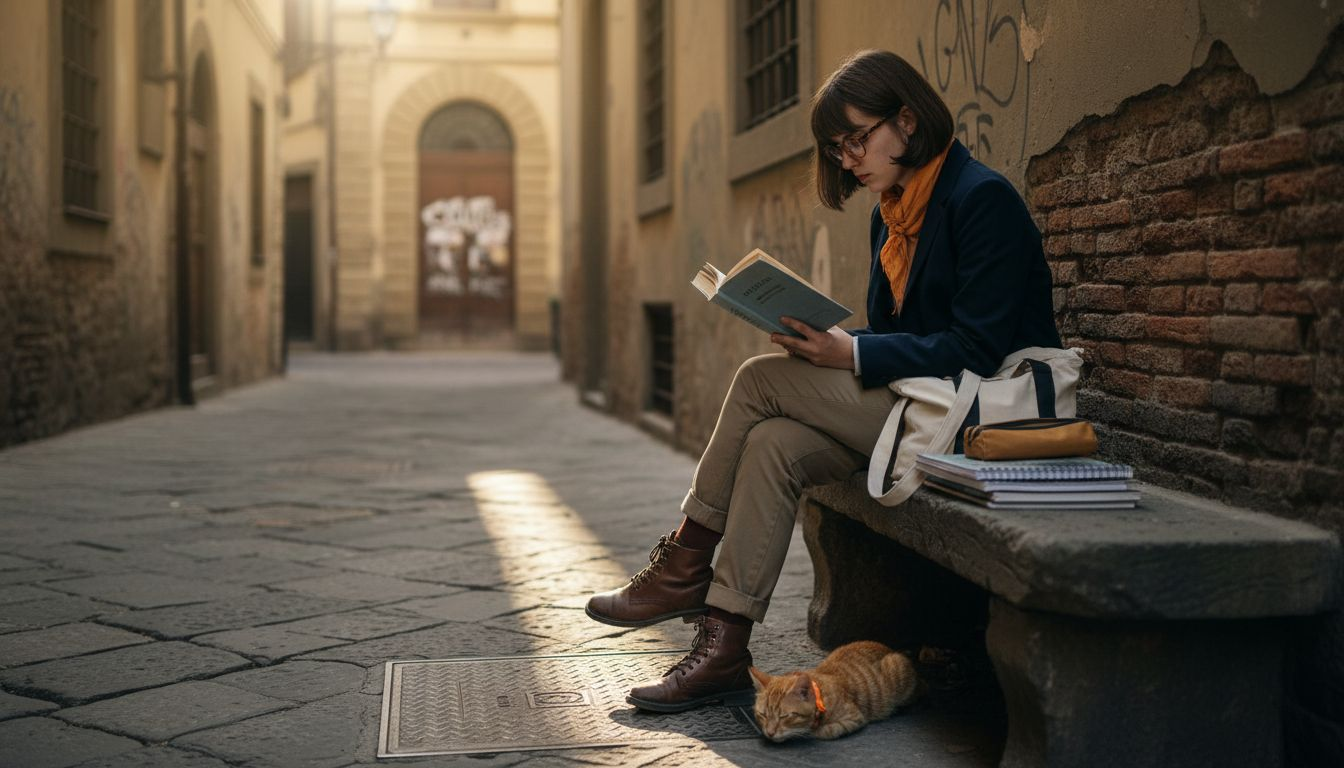
The technical execution matters just as much as artistic vision. Proper exposure metering becomes crucial when working with extreme contrast. You must decide whether to expose for highlights, shadows, or middle tones. Expose for shadows to preserve highlight detail, and your darker areas become pure black with no texture. Expose for highlights to maintain shadow information, and bright areas wash out. Using light and shadow for powerful compositions requires understanding this tension. Shoot in RAW format whenever possible. This preserves maximum tonal information, giving you latitude in post-processing to recover shadow detail or tame blown highlights without sacrificing image quality. Layer your adjustments carefully. Shadows should feel intentional, not like mistakes from poor exposure.
Pro tip: When scouting locations during your photo tour, imagine how shadows will move and change, then position yourself to capture moments where shadow direction creates visual storytelling rather than fighting the light you find.
Emotional Impact in Italian Landscapes
Light and shadow don’t just reveal what exists in a landscape. They shape how you feel about it. When golden light breaks through storm clouds over Tuscan hills, you experience not just visual information but emotional resonance. A shadow falling across a weathered villa wall triggers memory and contemplation. This emotional connection separates photographs that viewers glance past from those that stay with them for years. Italian landscapes possess inherent beauty, but your mastery of light and shadow determines whether you capture that beauty or merely document it.
The emotional language of light and shadow operates on a subconscious level. Warm light feels welcoming, intimate, nostalgic. Cool shadows create tension, mystery, or melancholy. A landscape bathed in soft morning mist speaks of possibility and renewal. The same landscape shrouded in harsh midday contrast feels exposed and unforgiving. Neither is objectively better. Your artistic choice about which emotion to emphasize through light manipulation defines your photographic voice. When you photograph the rolling hills near Bergamo, you decide whether to celebrate their peaceful beauty through gentle side-lighting or dramatize their solitude through stark contrast and deep shadows. Light and shadow create emotional resonance through mood and narrative that viewers absorb almost instantly, connecting with the landscape on a visceral rather than intellectual level.
Italian locations offer extraordinary opportunities for emotional storytelling through light manipulation. Venice’s narrow canals become melancholic and contemplative in morning fog, where shadows pool in doorways and water channels reflect fractured light. The Pavese hills transform at different hours into entirely different emotional statements. Midday reveals agricultural geometry and human cultivation. Golden hour bathes those same fields in warmth that feels timeless and peaceful. Deep shadows reveal the hills as ancient, weathered, enduring. Each interpretation speaks truth. Each creates distinct emotional experience. Your task as an artistic photographer involves choosing which emotional truth resonates with your vision, then using light direction, intensity, and contrast to amplify that feeling.
Memory intertwines with emotional response in landscape photography. When viewers see your image of Italian countryside, they don’t just see landscape. They remember their own experiences, their own longings, their own sense of place. Harsh shadows that feel ominous in an urban context might feel profound and respectful in an ancient cemetery. Soft light that feels gentle in a meadow might feel sad in an abandoned village. Context matters enormously. The interplay between emotional content and technical execution becomes invisible when done well. Viewers simply feel something true about the place, unaware that your deliberate choices about shadow placement and light quality made that feeling possible. This is photographic mastery.
Use this quick reference to understand how light and shadow shape emotional impact in Italian landscapes:
| Light Type | Mood Created | Best Location Example | Artistic Effect |
|---|---|---|---|
| Warm Side Light | Inviting, nostalgic | Tuscan hills at sunset | Enhanced texture, peaceful mood |
| Cool Shadows | Mysterious, somber | Venice in morning fog | Depth, reflective atmosphere |
| Harsh Contrasts | Dramatic, intense | Urban midday streets | Tension, strong focus |
| Soft Overcast | Calm, neutral | Bergamo meadows in mist | Subtle detail, gentle emotion |
Consiglio professionale: When photographing Italian landscapes, spend time sitting with a location through multiple lighting conditions, noting which emotional mood resonates most authentically with the place’s character, then return specifically to capture that moment when light and shadow align with your artistic vision.
Common Pitfalls and How to Avoid Them
Mastering light and shadow sounds romantic until you realize how easily things go wrong. Your first instinct when confronted with harsh midday sun is often to fight it, fill it with flash, or simply avoid shooting altogether. These reactions create missed opportunities and limit your artistic growth. The real pitfall isn’t difficult lighting conditions. It’s not understanding how to work with them strategically. Many American photographers traveling through Italy make the same mistakes repeatedly because they don’t recognize patterns in what went wrong.
One of the most common mistakes involves destroying shadow detail through excessive fill light. You see a beautiful scene backlit by afternoon sun, but the foreground falls into shadow. Your instinct fires up the flash or reflector to “open up” those shadows. Now the image looks flat and artificial. The shadow information that created depth and mystery has vanished. Flash used incorrectly creates harsh, unflattering light that flattens three-dimensional form into two dimensions. The solution isn’t avoiding fill light entirely. It’s using it subtly and strategically. A gentle reflector bounce that catches just enough light to suggest detail rather than obliterate shadow will preserve the compositional drama you worked to create. Alternatively, shoot during times when natural light provides better modeling without requiring rescue. Overexposing highlights or underexposing shadows creates loss of detail that becomes impossible to recover in post-processing, so understanding proper metering across different tonal ranges matters enormously.
Another pitfall stems from shooting during harsh midday conditions without considering alternative approaches. Noon sunlight in Tuscany creates brutal overhead shadows that obscure faces, create unflattering contrast, and drain color saturation from landscapes. Your first response might be to schedule all shooting for golden hour. Better solution? Seek shade. Photograph under building arcades, within tree canopies, or in shadowed valleys where diffused light provides beautiful modeling without harshness. Use the harsh midday light for abstract compositions, silhouettes, or high-contrast black and white work where the extreme contrast becomes a stylistic choice rather than a technical problem. This transforms a liability into creative opportunity.
Post-processing mistakes compound exposure errors. Never attempt to recover completely blown highlights or crushed shadows in editing. Shooting in RAW format preserves maximum tonal information, giving you latitude to recover some detail, but no software resurrects completely lost information. Instead of relying on fixing mistakes later, meter carefully when shooting. Expose for highlights when you need to preserve bright areas, accepting that shadows will be darker. Alternatively, expose for shadows when detail there matters more to your story. Bracket your exposures when confronted with extreme contrast, then blend multiple exposures in post-processing to achieve the tonal range your vision requires. Harsh midday light creates shadows that flatten subjects unless you deliberately position yourself to use those shadows compositionally rather than fighting them.
Pro tip: When encountering difficult lighting during your photo tour, pause to analyze whether the harsh conditions serve your compositional intention, then either reposition yourself, wait for better light, or embrace the harsh contrast as an intentional artistic choice rather than a problem demanding correction.
Elevate Your Photography by Mastering Light and Shadow in Italy
Struggling to capture the emotional depth and drama that light and shadow can bring to your images The detailed insights from “Role of Light and Shadow in Artistic Photography” reveal common challenges like losing shadow detail or fighting harsh midday sun instead of embracing it. Your goal is to transform simple scenes into compelling visual stories using techniques like chiaroscuro and silhouette, yet without guidance, navigating natural and artificial lighting can feel overwhelming. Italy Photo Tour offers the perfect solution to these creative hurdles by providing immersive experiences tailored to harness Italy’s unique light at every hour.

Join expert-led tours across iconic destinations such as Milan, Tuscany, and Venice where you will learn hands-on how to use light direction, intensity, and contrast to evoke mood and texture. Discover how to work with golden hour warmth or moody shadows while avoiding common pitfalls that flatten your images. Our personalized approach focuses on craftsmanship in storytelling through light and shadow, turning your photography challenges into artistic breakthroughs. Start your journey to mastering these fundamentals today by visiting Italy Photo Tour. Explore unique sessions designed to inspire creativity and emotional connection at Italy Photo Tour and see how professional guidance makes all the difference in capturing Italy’s timeless beauty.
Unlock your artistic potential now by stepping into a photo tour where every moment is carefully crafted around perfect light and shadow storytelling.
Frequently Asked Questions
How do light and shadow interact in photography?
Light and shadow work together to create depth, dimension, and visual interest in photography. Light reveals form and texture, while shadow defines edges and adds contrast, helping to create compelling compositions.
What is the significance of golden hour lighting?
Golden hour lighting occurs shortly after sunrise and before sunset, producing soft, warm tones and elongated shadows. This lighting is ideal for creating dramatic effects in landscapes and portraits, enhancing texture and mood.
How does artificial light differ from natural light in photography?
Artificial light provides consistent illumination but can appear flat or unnatural if not used carefully. In contrast, natural light is variable and can create a wide range of effects depending on the time of day and weather conditions, making it essential for creative storytelling.
What are some common mistakes to avoid when working with light and shadow?
Common mistakes include overusing fill light, which can flatten images, and not considering alternative approaches during harsh lighting conditions. It’s essential to shoot in ways that complement the light quality and shadow, enhancing rather than detracting from your composition.