

Capturing the heart of Italy means more than snapping scenic vistas or lively piazzas. For many photographers, turning those moments into authentic stories can feel challenging amidst the rush of travel and cultural immersion. Understanding the power of photographic storytelling helps American enthusiasts move beyond simple documentation and toward visually driven, emotionally resonant images. Whether you are exploring Italian vineyards or timeless city streets, mastering narrative photography techniques will help you create images that speak universally and preserve the true essence of each place.
Table of Contents
- Defining Photographic Storytelling And Its Power
- Key Varieties In Narrative Photography
- Essential Elements Of Story-Driven Images
- Techniques For Authentic Italian Travel Stories
- Common Pitfalls In Photographic Storytelling
Key Takeaways
| Point | Details |
|---|---|
| Power of Visual Narratives | Photographic storytelling communicates emotional truths across cultural boundaries, enhancing viewer engagement. |
| Narrative Techniques | Effective composition, emotional resonance, and contextual depth elevate ordinary images to powerful stories. |
| Authentic Representation | Capturing genuine human experiences is crucial for successful narrative photography, especially in travel contexts. |
| Avoiding Common Pitfalls | Prioritize emotional connection over aesthetic beauty to maintain narrative integrity and viewer empathy. |
Defining Photographic Storytelling and Its Power
Photographic storytelling transforms visual experiences into powerful narratives that transcend traditional communication methods. Unlike written language, photography communicates instantly and emotionally, capturing complex human experiences within a single frame.
At its core, narrative photography creates dynamic stories through intentional visual techniques. Photographers use composition, lighting, and perspective to weave compelling tales that connect viewers directly with the subject’s emotional landscape. These visual narratives go far beyond simple documentation, inviting deep engagement and understanding.
Key elements of effective photographic storytelling include:
- Emotional resonance
- Contextual depth
- Strategic visual composition
- Authentic moment capturing
- Cultural and personal narrative representation
The power of photographic storytelling lies in its universal language. Visual narratives can communicate across cultural boundaries, transcending linguistic limitations and speaking directly to human experiences. Whether documenting social movements, personal journeys, or cultural traditions, photography serves as a profound medium for shared understanding.
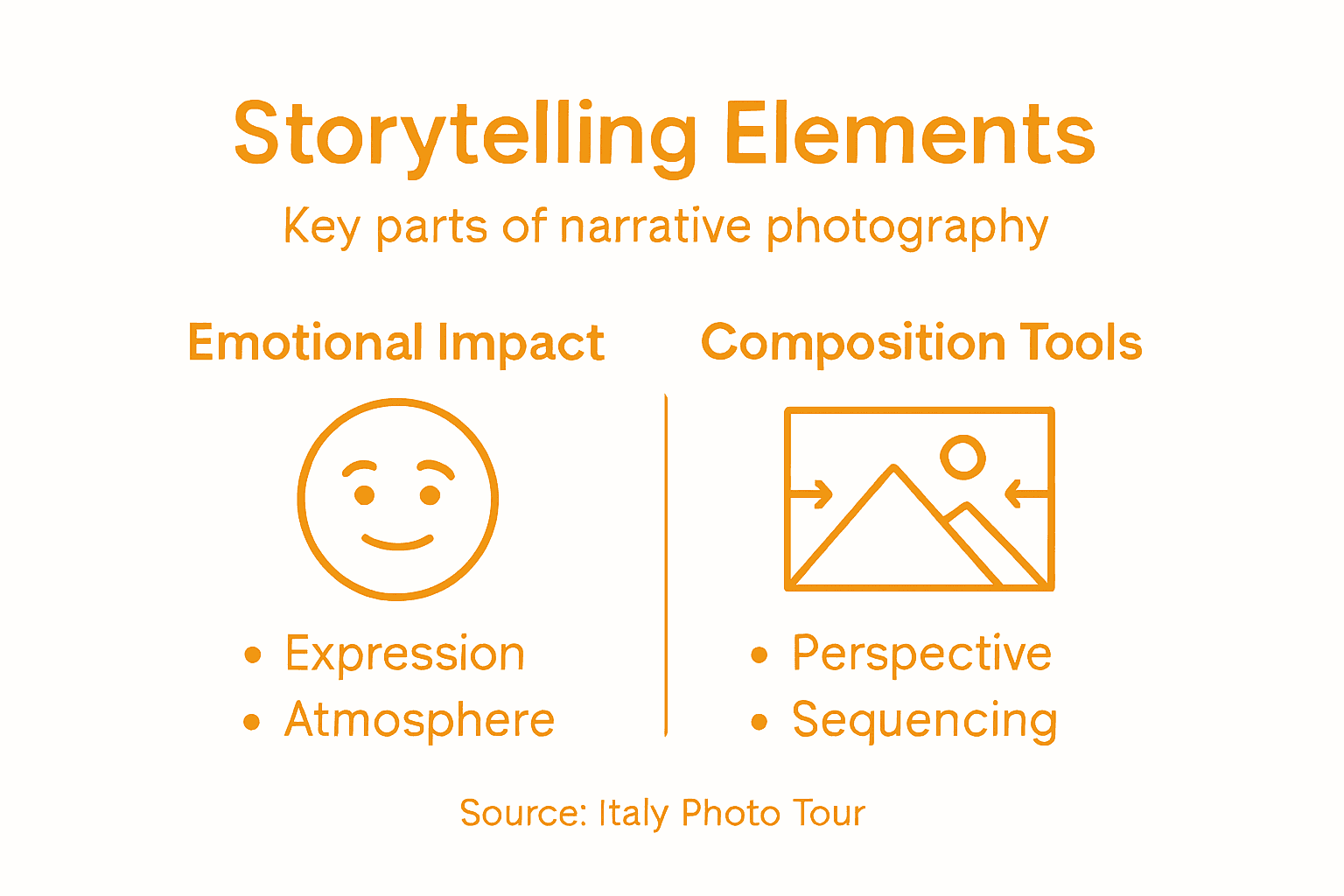
Narrative techniques transform ordinary images into extraordinary stories. Photographers carefully select moments that reveal broader human truths, using visual metaphors, sequential imagery, and strategic framing to guide viewer interpretation. The goal isn’t just recording reality, but revealing deeper emotional and contextual meanings.
Pro tip: Practice observing your surroundings with storytelling intent, looking for visual sequences that communicate deeper meanings beyond individual moments.
Key Varieties in Narrative Photography
Narrative photography encompasses a rich spectrum of storytelling approaches, each uniquely capturing human experiences and emotional landscapes. Photographic narratives range from documentary to conceptual styles, offering photographers diverse methods to communicate complex stories through visual mediums.
The primary varieties of narrative photography include:
- Documentary Photography: Capturing real-world events and social realities with journalistic integrity
- Photojournalistic Narratives: Telling stories through sequential images that chronicle specific events or human experiences
- Conceptual Photography: Creating symbolic or abstract visual narratives that explore philosophical or emotional themes
- Street Photography: Spontaneously capturing candid moments that reveal urban life and human interactions
- Fine Art Narrative Photography: Constructing carefully staged scenes to communicate deeper metaphorical meanings
Each narrative style serves a unique purpose in visual storytelling. Documentary photographers aim to represent objective reality, while conceptual photographers use imagery as a form of artistic expression that transcends literal representation. The intentional selection of moments, composition, and emotional context transforms simple images into powerful visual stories.
Here’s a comparison of major narrative photography styles and their storytelling approaches:
| Style | Typical Subjects | Storytelling Approach | Viewer Impact |
|---|---|---|---|
| Documentary Photography | Social issues, events | Objective, factual narrative | Informs, provokes reflection |
| Photojournalistic Narratives | News, daily life | Sequential image stories | Builds empathy, understanding |
| Conceptual Photography | Abstract ideas | Metaphorical, symbolic | Sparks imagination, curiosity |
| Street Photography | Urban life, strangers | Spontaneous, candid moments | Reveals authenticity, tension |
| Fine Art Narrative Photography | Staged scenes | Carefully composed symbolism | Invokes introspection |
Narrative composition requires strategic visual techniques. Photographers must understand how to create visual sequences, use environmental context, and capture genuine emotional moments that invite viewer interpretation. The most compelling narrative photographs aren’t just technically proficient, but emotionally resonant, creating immediate connections between the viewer and the subject.
Pro tip: Develop your narrative photography skills by creating photo essays that explore a single theme or human experience, focusing on capturing authentic moments and emotional progression.
Essential Elements of Story-Driven Images
Photographic storytelling requires a sophisticated understanding of visual language, transforming static images into powerful narrative experiences. Compelling visual narratives strategically combine multiple compositional elements to create emotionally resonant stories that transcend simple documentation.
The core elements of story-driven images include:
- Context: The environmental setting that provides deeper meaning
- Emotional Resonance: Capturing genuine human feelings and interactions
- Compositional Intentionality: Strategic framing and visual hierarchy
- Narrative Progression: Creating a sense of movement or transformation
- Cultural Authenticity: Representing genuine human experiences
Mastering story-driven photography demands more than technical proficiency. Photographers must develop an intuitive understanding of how visual elements interact to communicate complex emotional landscapes. The intentional selection of moments, careful consideration of lighting, and strategic composition transform ordinary scenes into extraordinary narratives.
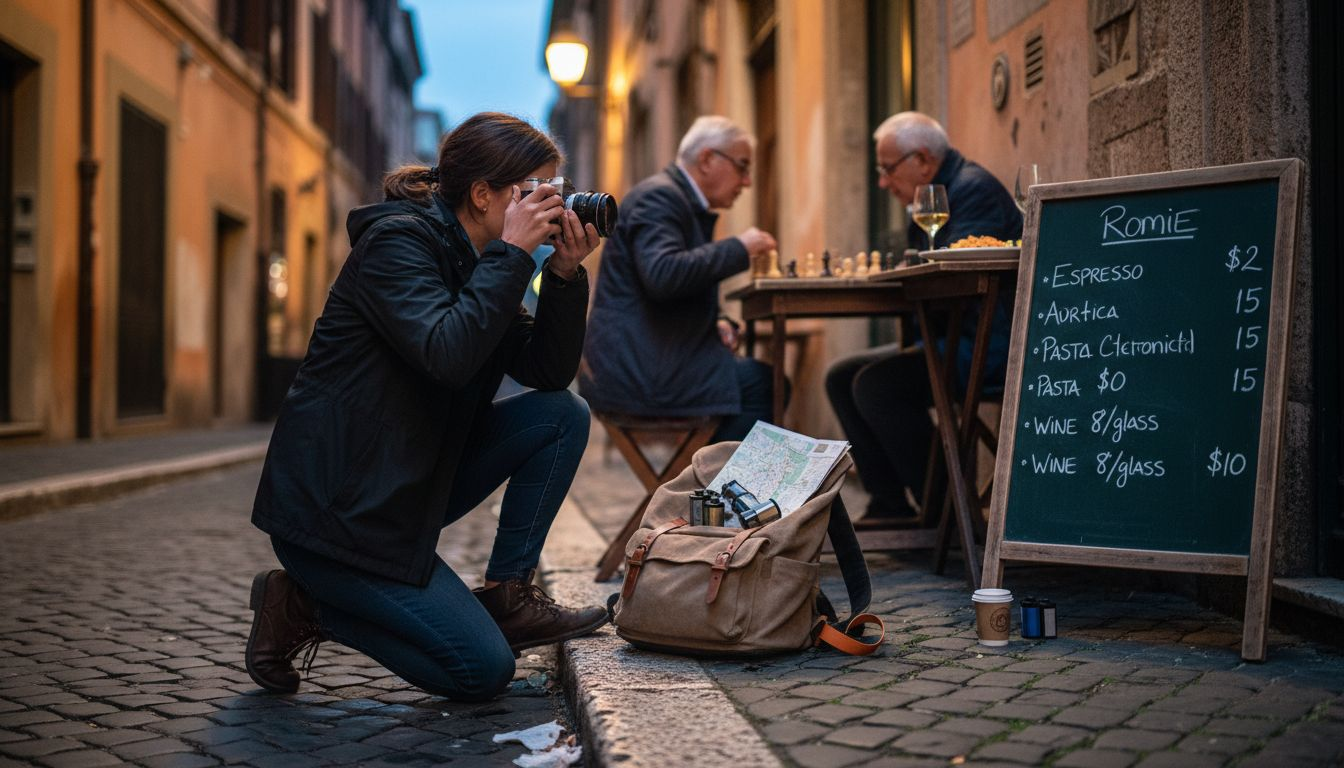
To clarify how compelling images are crafted, here is a quick reference of compositional elements and their narrative effects:
| Element | Contributes To | Narrative Effect |
|---|---|---|
| Context | Situational meaning | Grounds story in real world |
| Emotional Resonance | Viewer engagement | Fosters emotional connection |
| Compositional Intentionality | Image structure | Directs viewer’s interpretation |
| Narrative Progression | Sense of movement | Suggests unfolding events |
| Cultural Authenticity | Realistic representation | Builds trust, deepens narrative |
Narrative techniques elevate images from mere documentation to profound storytelling. By understanding how to create visual tension, capture authentic moments, and use environmental context, photographers can craft images that invite viewers into deeper emotional experiences. The most powerful photographs are those that suggest stories beyond their physical boundaries, triggering imagination and empathy.
Pro tip: Practice storytelling by creating photo sequences that explore a single human emotion, focusing on subtle visual cues that communicate complex inner experiences.
Techniques for Authentic Italian Travel Stories
Travel photography transcends mere documentation, demanding a nuanced approach to capturing genuine cultural experiences. Photographers must use deliberate storytelling techniques to reveal the rich emotional landscape of Italian life beyond superficial representations.
Key techniques for authentic Italian travel stories include:
- Environmental Context: Capturing wider scenes that reveal local rhythms and textures
- Intimate Details: Focusing on small, meaningful interactions and cultural nuances
- Emotional Authenticity: Revealing genuine human experiences and connections
- Cultural Sensitivity: Representing local life with respect and depth
- Narrative Consistency: Creating a cohesive visual story across multiple images
Successful Italian travel photography requires more than technical skill. Photographers must develop a deep sensitivity to local cultures, understanding how to move beyond tourist perspectives and capture the genuine spirit of a place. This means observing carefully, building trust with subjects, and allowing stories to unfold naturally without forced compositions.
Narrative depth emerges from patient observation and genuine human connection. By asking ‘what if’ and exploring unexpected moments, photographers can transform ordinary scenes into powerful visual narratives that communicate the true essence of Italian life. The most compelling images are those that invite viewers to feel the emotional texture of a place, rather than simply seeing its surface.
Pro tip: Learn basic Italian phrases and engage with local communities to create more authentic and respectful photographic narratives.
Common Pitfalls in Photographic Storytelling
Photographic storytelling requires nuanced understanding and intentional approach to avoid critical mistakes that undermine narrative power. Common storytelling mistakes can significantly diminish narrative impact, transforming potentially powerful visual narratives into shallow, disconnected images.
Key pitfalls photographers must navigate include:
- Aesthetic Obsession: Prioritizing visual beauty over emotional narrative
- Cultural Misrepresentation: Failing to capture authentic local experiences
- Lack of Context: Presenting images without meaningful background
- Over-Manipulation: Excessive editing that distorts story’s authenticity
- Emotional Disconnection: Creating images that fail to evoke viewer empathy
Successful storytelling demands more than technical proficiency. Photographers must develop a critical eye for narrative depth, understanding how individual images connect to create a compelling visual journey. This means moving beyond surface-level documentation and seeking genuine human experiences that reveal deeper cultural truths.
Narrative integrity requires careful consideration of ethical representation and emotional resonance. Images that merely document without revealing emotional complexity risk becoming forgettable snapshots. The most powerful photographic stories invite viewers into a deeper understanding of human experience, transcending visual aesthetics to communicate profound emotional landscapes.
Pro tip: Before capturing an image, ask yourself what story you’re truly trying to tell and whether your composition genuinely communicates that narrative.
Transform Your Italian Photography with True Storytelling
Are you ready to move beyond simple snapshots and create authentic, emotionally powerful photographic stories of Italy? This article highlights the challenge of capturing genuine human experiences with cultural sensitivity and narrative depth—a goal that many photographers strive for but find hard to achieve alone. By mastering narrative composition, emotional resonance, and cultural authenticity, you can elevate your Italian travel photography into a meaningful visual journey.

Join Italy Photo Tour and immerse yourself in guided photo experiences designed specifically to help you develop storytelling techniques on location. Our expert-led tours in iconic regions like Milan, Tuscany, and Venice offer curated opportunities to capture candid moments, local traditions, and authentic atmospheres with artistic intentionality. Explore our Uncategorized Archivi – Italy Photo Tour to learn more about the philosophy behind our approach and how it can sharpen your narrative skills. The time to create emotionally engaging and culturally respectful photographic stories is now. Take the next step toward transforming your Italian journey into unforgettable stories by discovering our unique photo tours here.
Frequently Asked Questions
What is photographic storytelling?
Photographic storytelling is the art of using photography to create compelling narratives that capture complex human experiences, often transcending language barriers through visual communication.
What are the key techniques for effective travel photography?
Effective travel photography techniques include capturing environmental context, focusing on intimate details, revealing emotional authenticity, practicing cultural sensitivity, and maintaining narrative consistency across images.
How can I avoid common pitfalls in photographic storytelling?
To avoid pitfalls, be mindful of not prioritizing aesthetics over emotion, ensure authentic cultural representation, provide meaningful context, avoid excessive editing, and strive to connect emotionally with your audience through your images.
What should I focus on when practicing narrative photography?
Focus on observing your surroundings with storytelling intent, capturing genuine moments, creating visual sequences, and understanding how to use composition to communicate deeper emotional and contextual meanings.