

Most photographers exploring Italy return with beautiful images of ancient architecture, rolling vineyards, and stunning coastlines. Yet their portfolios often feel empty, lacking the emotional weight that transforms a good photograph into an unforgettable one. The difference lies not in better gear or more dramatic locations, but in capturing human storytelling techniques that reveal the soul beneath the surface. When you shift focus from documenting places to explaining human stories in images, your Italian travel photography transcends the ordinary and creates lasting emotional connections with viewers.
Table of Contents
- Why Human Stories Are Essential In Photography
- Key Photographic Techniques For Capturing Human Stories
- Applying Storytelling Techniques In Italy’s Cultural And Natural Environments
- Building Your Storytelling Skills Through Practice And Reflection
- Discover Transformative Photography Tours In Italy
Key takeaways
| Point | Details |
|---|---|
| Emotional engagement | Storytelling photography creates viewer connections through narrative rather than just depicting scenes |
| Technical foundation | Composition, lighting, and human elements guide how viewers interpret and feel your images |
| Authentic moments | Candid photography reveals deeper emotional truths than staged or posed shots |
| Environmental context | Props and settings anchor stories in real cultural experiences |
| Practice commitment | Regular shooting and reflection improve your ability to recognize and capture compelling narratives |
Why human stories are essential in photography
Storytelling photography involves crafting a photo story that conveys a narrative, evokes emotions, and engages the viewer. This approach transforms images from simple documentation into powerful communication tools. When you photograph the Colosseum, you capture stone and history. When you photograph a street musician’s weathered hands against worn strings near the Colosseum, you capture struggle, passion, and the human experience that makes Rome alive.
Human elements forge emotional connections that scenic shots alone cannot achieve. A sunset over Tuscany’s hills is beautiful, but a farmer’s silhouette against that same sunset tells a story about dedication, solitude, and the relationship between people and land. Your viewers don’t just see the scene; they feel the moment and imagine themselves within it.
In travel photography, focusing on moments over locations enriches your storytelling exponentially. Consider these transformative shifts:
- Replace generic landmark shots with images showing how people interact with those spaces
- Capture facial expressions that reveal emotion rather than posed smiles
- Document gestures and body language that communicate without words
- Show relationships between subjects and their environments
In a crowded visual world, storytelling makes viewers pause, connect, and remember your images. When thousands of photographers capture the same Venice canal or Florence cathedral, your unique perspective comes from the human stories you choose to explain through your lens.
“The best travel photographs don’t show you where someone has been. They show you what it felt like to be there.”
Photographs that tell stories are more memorable and impactful because they engage both intellect and emotion. They invite viewers to ask questions, imagine backstories, and project their own experiences onto the narrative you’ve constructed. This deeper engagement transforms casual viewers into invested audiences who return to your work repeatedly.
Key photographic techniques for capturing human stories
Composition techniques like leading lines, framing, and layering guide the viewer’s eye and enhance storytelling. When photographing a narrow Roman alley, use the converging walls as leading lines that draw attention to a figure in the distance. Frame your subject through doorways or windows to create context and focus. Layer foreground, middle ground, and background elements to build depth and complexity in your narrative.
These storytelling composition techniques work together to control how viewers experience your image:
- Leading lines create visual pathways that direct attention to key story elements
- Framing isolates subjects while providing environmental context
- Rule of thirds positioning creates natural tension and balance
- Layering adds dimensional depth that mirrors real visual experience
Light and color play significant roles in shaping mood and enhancing narratives. Warm golden hour light evokes nostalgia, romance, and comfort, perfect for capturing intimate moments in Italian piazzas. Cool blue twilight suggests mystery, solitude, or contemplation, ideal for empty Venice streets before dawn. Harsh midday shadows create drama and contrast that can emphasize struggle or intensity in your human subjects.
| Technique | Storytelling Effect | Best Use Case |
|---|---|---|
| Golden hour warmth | Nostalgia and intimacy | Portraits, cultural moments |
| Blue hour coolness | Mystery and contemplation | Architecture with figures |
| Backlighting | Silhouettes and anonymity | Universal human experiences |
| Side lighting | Texture and dimension | Character studies, details |
| Diffused overcast | Even emotion, documentary feel | Authentic daily life scenes |
Candid photography, capturing authentic moments, reveals deeper emotional truths than posed shots. A genuine laugh shared between friends at a Florentine cafe communicates more about Italian social culture than any staged tourist photo. Unguarded expressions, natural gestures, and spontaneous interactions provide windows into real human experiences that viewers instinctively recognize as authentic.
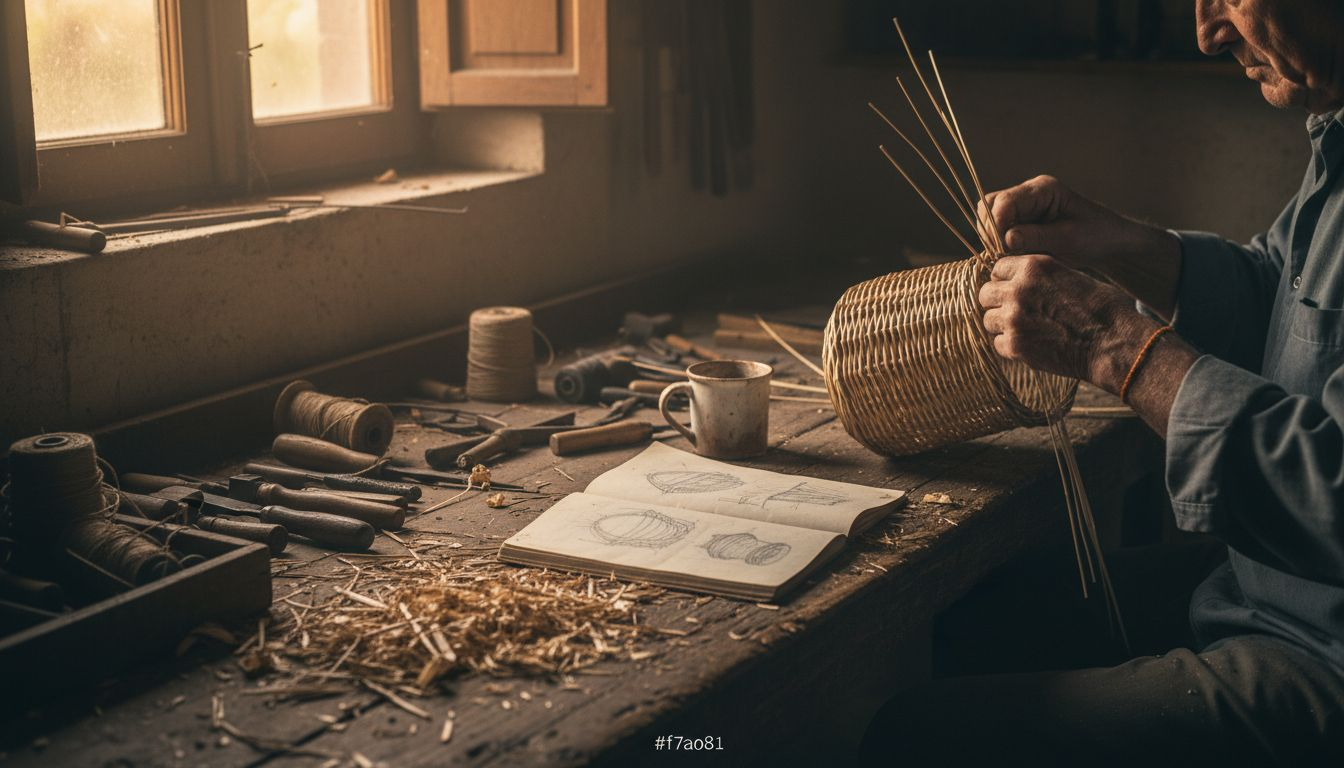
Incorporate context and props for richer backstories. A fisherman’s weathered net, a chef’s flour-dusted apron, or a child’s gelato-stained fingers all serve as visual clues that help viewers construct narratives around your subjects. These environmental details anchor your stories in specific times, places, and cultural contexts that make Italy’s human landscape unique.
Pro Tip: Wait an extra 30 seconds after you think you’ve captured the perfect moment. The most revealing expressions and gestures often emerge when subjects relax after noticing your camera, believing the photo opportunity has passed.
Applying storytelling techniques in Italy’s cultural and natural environments
The most common mistake in travel photography is focusing on locations instead of moments. You can photograph the Trevi Fountain from every angle, but until you capture the hopeful expression of someone tossing a coin or the quiet contemplation of an elderly couple holding hands before the cascading water, you’re missing the human story that makes that location meaningful.
Follow this step-by-step approach to capture action and story:
- Identify a compelling location with good light and environmental context
- Compose your frame leaving space for human elements to enter
- Wait patiently, observing how people naturally interact with the space
- Anticipate moments of peak action or emotional expression
- Capture the decisive moment when gesture, expression, and environment align
- Review immediately to ensure you’ve explained the story you intended
Waiting for a human element to enter a frame significantly enhances travel photography. That perfect composition of a Tuscan hillside becomes exponentially more powerful when a cyclist crests the hill, adding scale, motion, and human purpose to the landscape. The empty Venice bridge transforms when a couple pauses mid-crossing, their silhouettes creating a romantic narrative against the canal.
Creating narrative tension between elements enhances the impact of travel photographs. Look for contrasts that create visual and conceptual tension: ancient ruins framing modern life, traditional craftspeople working amid tourist crowds, or solitary figures in bustling markets. These juxtapositions invite viewers to explore the relationships between competing elements and construct their own interpretations.

| Approach | Characteristics | Storytelling Impact |
|---|---|---|
| Staged photos | Controlled poses, directed expressions, predictable composition | Limited authenticity, viewer skepticism, surface-level engagement |
| Candid moments | Natural behavior, genuine emotion, unexpected composition | High authenticity, viewer trust, deeper emotional connection |
| Hybrid method | Loose direction with room for spontaneity | Balance of control and authenticity |
Explore cultural photography ideas in Italy that emphasize human stories over tourist attractions. Document artisans at work in Florence’s workshops, capture multigenerational interactions in small-town trattorias, or photograph the quiet dignity of daily routines in fishing villages. These authentic moments reveal Italy’s living culture rather than its postcard facade.
Pro Tip: In crowded tourist locations, position yourself away from obvious photo spots and use longer focal lengths to isolate genuine moments happening at the periphery where people behave more naturally.
Building your storytelling skills through practice and reflection
Time and repetition are key to improving photography skills. Commit to regular shooting sessions even if brief. Dedicate 20 minutes daily to photographing human moments in your local environment before attempting complex narratives in unfamiliar Italian settings. This consistent practice trains your eye to recognize storytelling opportunities and builds technical muscle memory.
Develop these essential practices:
- Shoot with intention, asking what story each frame explains before pressing the shutter
- Review your work critically, identifying which images evoke emotion and why
- Study master photographers who excel at human storytelling
- Experiment with different focal lengths to understand how lens choice affects narrative perspective
Reflect on emotional impact and narratives of your images systematically. After each shooting session, select your strongest three images and write one paragraph explaining the story each photograph tells. This exercise forces you to articulate whether your visual choices successfully communicate your intended narrative. If you struggle to explain the story in words, your image likely fails to explain it visually.
Use feedback and expert critique to refine storytelling abilities. Share your work with other photographers, join online communities focused on narrative photography, or participate in enhance travel photography skills workshops where experienced mentors provide targeted guidance. External perspectives reveal blind spots in your storytelling approach and suggest techniques you haven’t considered.
Balance planning with spontaneity to capture authentic moments effectively. Research locations and lighting conditions beforehand, but remain flexible enough to abandon your plan when unexpected human stories emerge. The grandmother feeding pigeons in an unplanned alley may tell a more compelling story than your carefully scouted cathedral interior.
Pro Tip: Develop patience as your primary tool for capturing human stories. The difference between mediocre and exceptional storytelling photography often comes down to who’s willing to wait longest for the decisive moment when all narrative elements align perfectly within the frame.
Discover transformative photography tours in Italy
To put these storytelling techniques into action, consider joining specialized photography tours Italy designed to elevate your craft. These immersive experiences blend artistic inspiration with cultural immersion, guiding you beyond tourist perspectives into authentic Italian moments rich with human stories.

Professional guidance enhances storytelling photography skills through real-time feedback and location expertise. Learn what we do in Italy Photo Tour as we explore iconic and hidden Italian locations with expert mentors who understand both technical excellence and narrative vision. These tours are tailored for amateurs and enthusiasts seeking to transform their photography from documentation into compelling visual storytelling that captures Italy’s soul.
FAQ
What is visual storytelling in photography?
Visual storytelling uses images to convey narratives and emotions beyond simple visual documentation. It engages viewers through deliberate composition, meaningful subject selection, and environmental context that together communicate a complete story. Effective visual storytelling invites viewers to interpret meaning and connect emotionally with the photograph.
How do human elements improve travel photos?
Human elements add emotion and relatable connection to travel photographs that landscapes alone cannot provide. Candid moments often reveal authentic stories missed in posed shots, showing genuine interactions and unguarded expressions. People provide scale, purpose, and narrative context that transform scenic documentation into compelling storytelling.
Why focus on moments instead of locations in travel photography?
Moments capture action, emotion, and narrative progression that static locations cannot convey. Locations serve as backdrops and context, but people bring scenes to life through their interactions and experiences. Focusing on moments creates unique images even in heavily photographed destinations where location-only shots become redundant.
What practical tips help capture storytelling images in Italy?
Wait patiently for human elements to enter your carefully composed frames rather than shooting empty scenes. Use Italy’s rich cultural context and props like artisan tools, traditional foods, or historic architecture to build layered narratives. Experiment with golden hour warmth and blue hour mystery to evoke specific moods that enhance your human stories.