

You’ve planned your Italian photography trip, but everywhere you look online shows the same crowded landmarks and saturated locations. Finding authentic, hidden photography locations through online forums and local contacts is essential for capturing unique shots that stand out. This guide reveals practical strategies to uncover Italy’s hidden gems, from leveraging local networks to timing your visits perfectly, so you can create compelling images that tell fresh stories.
Table of Contents
- Leveraging Online Resources And Local Networks
- Planning Your Shoots With Timing And Ethical Practices
- Exploring The Dolomites: Balancing Iconic And Hidden Locations
- Using Apps And Tools To Enhance Your Photo Spot Discovery
- Discover Hidden Italian Photo Spots With Expert Tours
Key takeaways
| Point | Details |
|---|---|
| Online research combined with local connections | Use photography forums, social media groups, and apps to discover spots that guidebooks miss. |
| Strategic timing reduces crowds | Visit early mornings, midweek, or shoulder seasons for better light and fewer tourists. |
| Technology enhances discovery | Apps like PhotoHound and Locationscout provide databases, navigation, and shooting tips for hidden locations. |
| Ethical practices preserve locations | Respect local communities, obtain permissions, and follow Leave No Trace principles. |
| Regional expertise yields variety | Balance iconic spots with lesser-known areas for portfolio diversity and authentic storytelling. |
Leveraging online resources and local networks
The foundation of discovering hidden photo spots starts with tapping into the collective wisdom of photography communities. Online research and local advice contribute to 70% of successful hidden spot discoveries, making these resources invaluable for your Italian photography journey. Start by joining specialized Facebook groups focused on Italian photography, where members regularly share seasonal updates about lesser-known locations.
Photography blogs and forums offer rich archives of location reports with specific GPS coordinates and shooting conditions. Look for posts that include recent photos, which confirm the spot still exists and hasn’t been overdeveloped. Many photographers maintain detailed blogs documenting their Italian adventures, complete with access notes and best times to visit. These firsthand accounts provide context you won’t find in traditional guidebooks.
Building relationships with local photographers creates opportunities for insider knowledge that never makes it online. When you connect with Italian photographers through Instagram or local workshops, you gain access to spots they’ve spent years discovering. They understand seasonal variations, local events that might affect access, and hidden viewpoints that require local expertise to find safely.
Dedicated apps streamline the discovery process by aggregating community knowledge into searchable databases. Apps like PhotoHound compile user-submitted locations with ratings, directions, and optimal shooting times. LocationScout offers similar features with added travel tips and gear recommendations specific to each spot. These tools work best when combined with your own research and local connections.
Key strategies for maximizing online and local resources:
- Join region-specific photography groups on Facebook and Reddit for real-time updates
- Follow Italian photographers on Instagram and engage genuinely with their work
- Attend local photography meetups or workshops when visiting Italian cities
- Cross-reference multiple sources before committing to remote locations
- Share your own discoveries to build reciprocal relationships within communities
Explore urban photography tips italy for city-specific guidance, and check the photography blog italy for ongoing location updates. Remember that the best hidden spots often come from conversations, not searches. When you approach local photographers respectfully and show genuine interest in their work, they’re often willing to share knowledge that helps you capture Italy’s authentic character.
Planning your shoots with timing and ethical practices
Timing transforms good locations into exceptional photo opportunities. Early mornings, shoulder seasons, and midweek visits significantly reduce crowds, giving you cleaner compositions and better light. Arriving at popular spots 60 to 90 minutes before sunrise means you’ll have the scene to yourself during the golden hour, when soft light reveals textures and creates depth in your images.
Shoulder seasons between May and June or September and October offer the sweet spot between weather and tourism. Summer brings intense crowds and harsh midday light, while these transitional months deliver comfortable temperatures and dramatic skies. You’ll find locals more receptive to photography when they’re not overwhelmed by peak season tourism, making cultural shots feel more authentic and relaxed.
Ethical photography practices preserve locations for future photographers and respect the communities hosting you. Always obtain permission before photographing private property, religious ceremonies, or individuals in intimate settings. Respecting local communities and adhering to Leave No Trace principles ensures these hidden gems remain accessible and unspoiled. This means packing out all trash, staying on designated paths, and avoiding actions that damage vegetation or disturb wildlife.
Understanding local customs prevents unintentional disrespect and often opens doors to better photo opportunities. In small Italian villages, greeting residents with a friendly “buongiorno” before raising your camera builds goodwill. Some communities have specific restrictions on photography during religious festivals or in certain sacred spaces. Researching these customs beforehand shows respect and often leads to locals offering to guide you to better vantage points.
Practical timing and ethical guidelines:
- Schedule shoots for 30 to 60 minutes before official sunrise times
- Visit popular regions during October or May for optimal conditions
- Ask permission with clear gestures if language barriers exist
- Keep group sizes small to minimize impact on quiet locations
- Support local businesses by purchasing goods or services when photographing their areas
Pro Tip: Scout locations the evening before your planned shoot. This reconnaissance reveals parking situations, identifies potential compositions, and helps you move confidently in low light the next morning without disturbing residents.
Discover more approaches through cultural photography ideas italy to enhance your respectful storytelling. When you combine strategic timing with ethical awareness, you create space for meaningful photography that honors both the landscape and the people who call these places home.
Exploring the Dolomites: Balancing iconic and hidden locations
The Dolomites exemplify how combining famous viewpoints with secret valleys creates portfolio diversity. Tre Cime di Lavaredo attracts photographers worldwide for good reason, its dramatic peaks create compositions that define mountain photography. But the real magic happens when you venture beyond these icons into lesser-known valleys where you might be the only photographer capturing a particular scene.
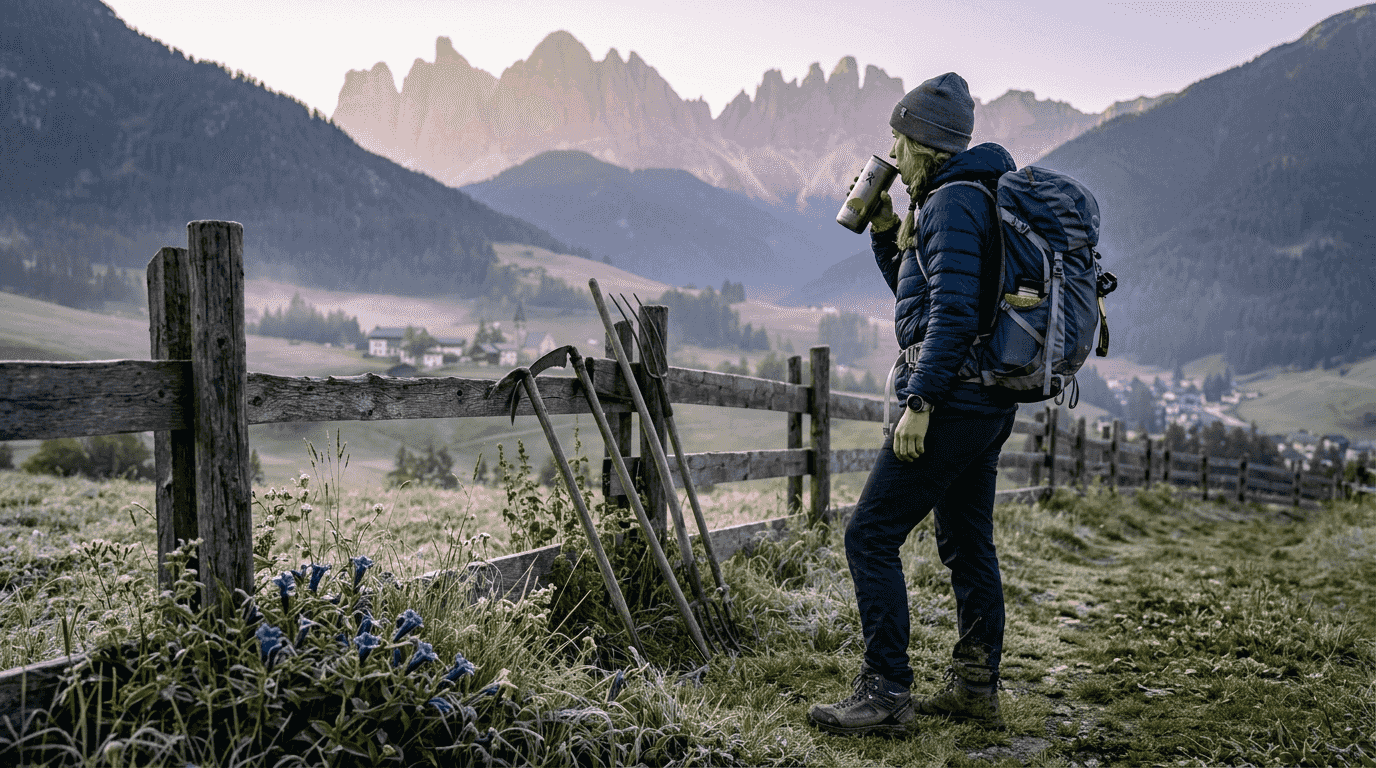
Hidden villages like Colfosco and Santa Maddalena offer foreground interest that elevates mountain photography beyond simple peak shots. The Dolomite rock composition creates exceptional alpenglow phenomena that lasts longer than typical mountain ranges, giving you extended shooting windows during sunrise and sunset. These unique geological features mean you can capture warm light on peaks while valleys remain in cool shadow, creating natural color contrast.
Seasonal lighting transforms the same location dramatically throughout the year. Winter brings crisp air that sharpens distant peaks, while autumn fog in valleys creates ethereal separation between foreground and background elements. Understanding these patterns helps you plan visits when conditions align with your creative vision. Local weather patterns in the Dolomites can shift rapidly, so having backup locations nearby keeps your shoot productive even when conditions change.
Collaborating with local guides and photographers unlocks viewpoints you’d never find independently. Photographers collaborating with locals increase chances of unique shots by 35%, as these experts know unmarked trails, private access points, and seasonal phenomena that happen in specific valleys. They understand which ridges catch first light and where wildflowers bloom in June, knowledge that takes years to accumulate through personal experience.
| Location Type | Characteristics | Best For | Crowd Level |
|---|---|---|---|
| Iconic spots (Tre Cime, Seceda) | Dramatic peaks, established viewpoints | Portfolio anchors, classic compositions | High, especially summer |
| Hidden valleys (Val di Funes, Vallunga) | Intimate scenes, foreground elements | Original perspectives, storytelling | Low to moderate |
| Mountain villages (San Cassiano, La Villa) | Cultural context, architecture | Combining landscape with human elements | Low |
| Lesser-known passes (Passo Sella alternatives) | Unique angles on famous peaks | Fresh takes on familiar subjects | Moderate |
Pro Tip: Use topographic maps to identify ridgelines and plateaus that offer alternative perspectives on famous peaks. These elevated positions often provide cleaner sightlines and unique foreground opportunities that valley-floor viewpoints lack.
Learn techniques for maximizing natural light through capturing natural light italy. The Dolomites reward photographers who invest time exploring beyond guidebook locations. When you balance the security of iconic shots with the adventure of hidden discoveries, you return with a collection that shows both the region’s grandeur and its intimate, quiet moments.
Using apps and tools to enhance your photo spot discovery
Modern technology accelerates the discovery process that once required weeks of research and local networking. PhotoHound offers community-driven spot discovery with integrated guides, navigation, and local information that helps you maximize limited travel time. The app’s database includes user ratings, sample images, and specific notes about access restrictions or seasonal closures, all searchable by region or photography style.
These specialized apps go beyond simple GPS coordinates by providing context essential for successful shoots. You’ll find EXIF data from successful shots taken at each location, revealing optimal camera settings and lens choices. Many entries include notes about parking availability, hiking difficulty, and whether locations require permits. This comprehensive information helps you plan realistic daily itineraries that account for travel time and physical demands.
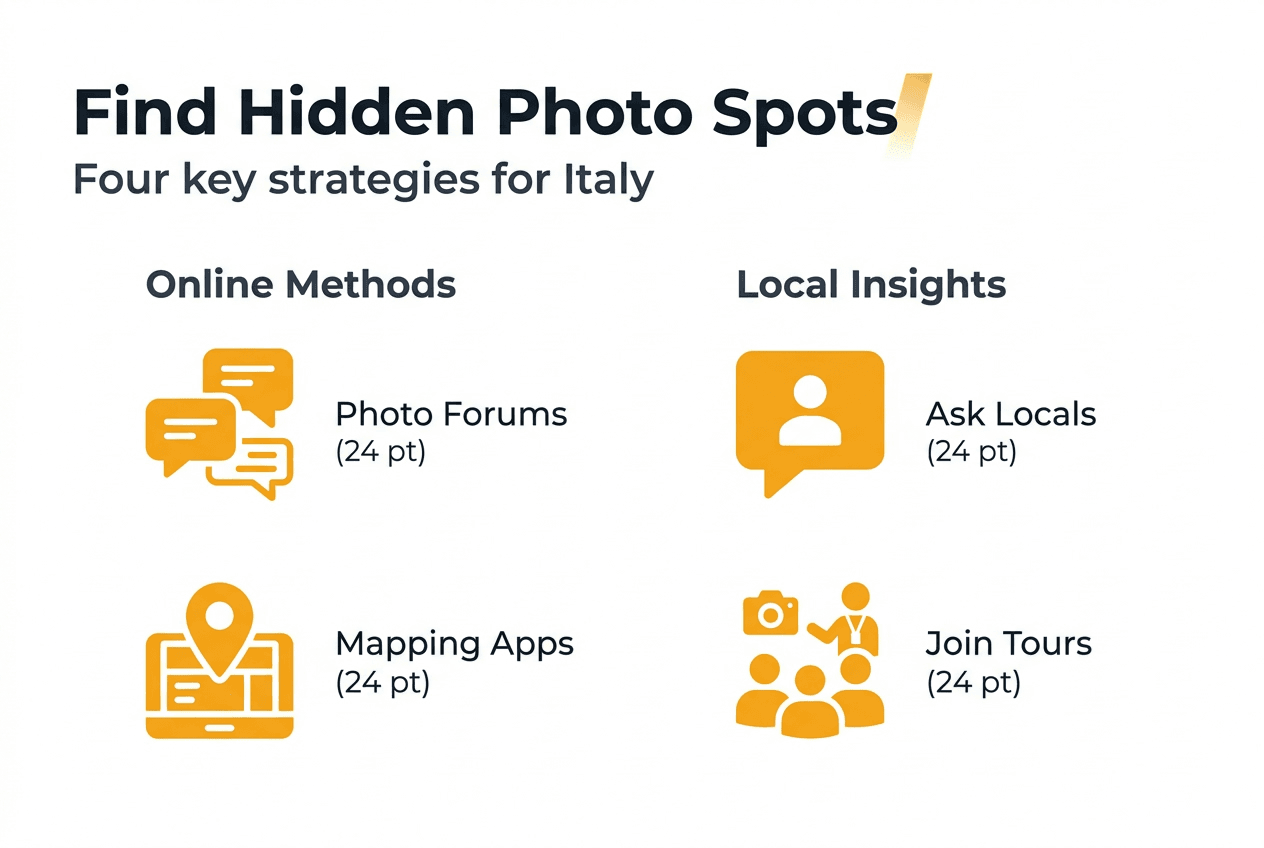
Locationscout provides access to over 233,000 entries worldwide including extensive Italian coverage, with travel tips and gear recommendations tailored to each spot. Premium features in some apps include precise weather forecasting for specific coordinates, sunrise/sunset simulators showing light direction, and tide information for coastal locations. These advanced tools help you arrive prepared rather than hoping conditions align with your vision.
Integrating app-based discovery with traditional research creates a comprehensive approach to finding hidden spots. Use apps to identify potential locations, then cross-reference with photography forums to find recent condition reports. This combination ensures the information is current and the spot matches your skill level and equipment capabilities. Apps also help you build efficient shooting routes by clustering nearby locations into single-day itineraries.
| App/Tool | Key Features | Best Use Case | Cost |
|---|---|---|---|
| PhotoHound | Community spots, navigation, local tips | General discovery and trip planning | Free with premium option |
| Locationscout | 233,000+ entries, travel tips, gear advice | Comprehensive global planning | Free basic, paid premium |
| The Photographer’s Ephemeris | Sun/moon position planning, light simulation | Precise timing and light direction | Free basic, paid pro |
| Google Earth | Terrain analysis, virtual scouting | Remote location assessment | Free |
| AllTrails | Hiking routes to remote spots, difficulty ratings | Accessing wilderness locations | Free with premium option |
Practical ways to maximize photography apps:
- Download offline maps before traveling to rural Italian regions with limited connectivity
- Read multiple user reviews to gauge current conditions and access status
- Note seasonal tags indicating when locations look best for specific photography styles
- Use saved collections to organize spots by region or shooting priority
- Contribute your own discoveries to build community reciprocity
Develop systematic approaches through urban photography workflow italy to complement your technical tools. While apps provide valuable starting points, the most memorable images often come from locations you discover by exploring beyond the database entries. Use technology to inform your planning, but remain open to spontaneous discoveries that happen when you’re present and observant in the landscape.
Discover hidden Italian photo spots with expert tours
Finding hidden photo spots requires time, local knowledge, and often multiple scouting trips to get conditions right. Photography tours italy eliminate the guesswork by connecting you with guides who’ve spent years discovering and documenting lesser-known locations across Italian regions. These expert-led experiences reveal spots you’d struggle to find independently while teaching the technical and cultural context that transforms snapshots into storytelling images.
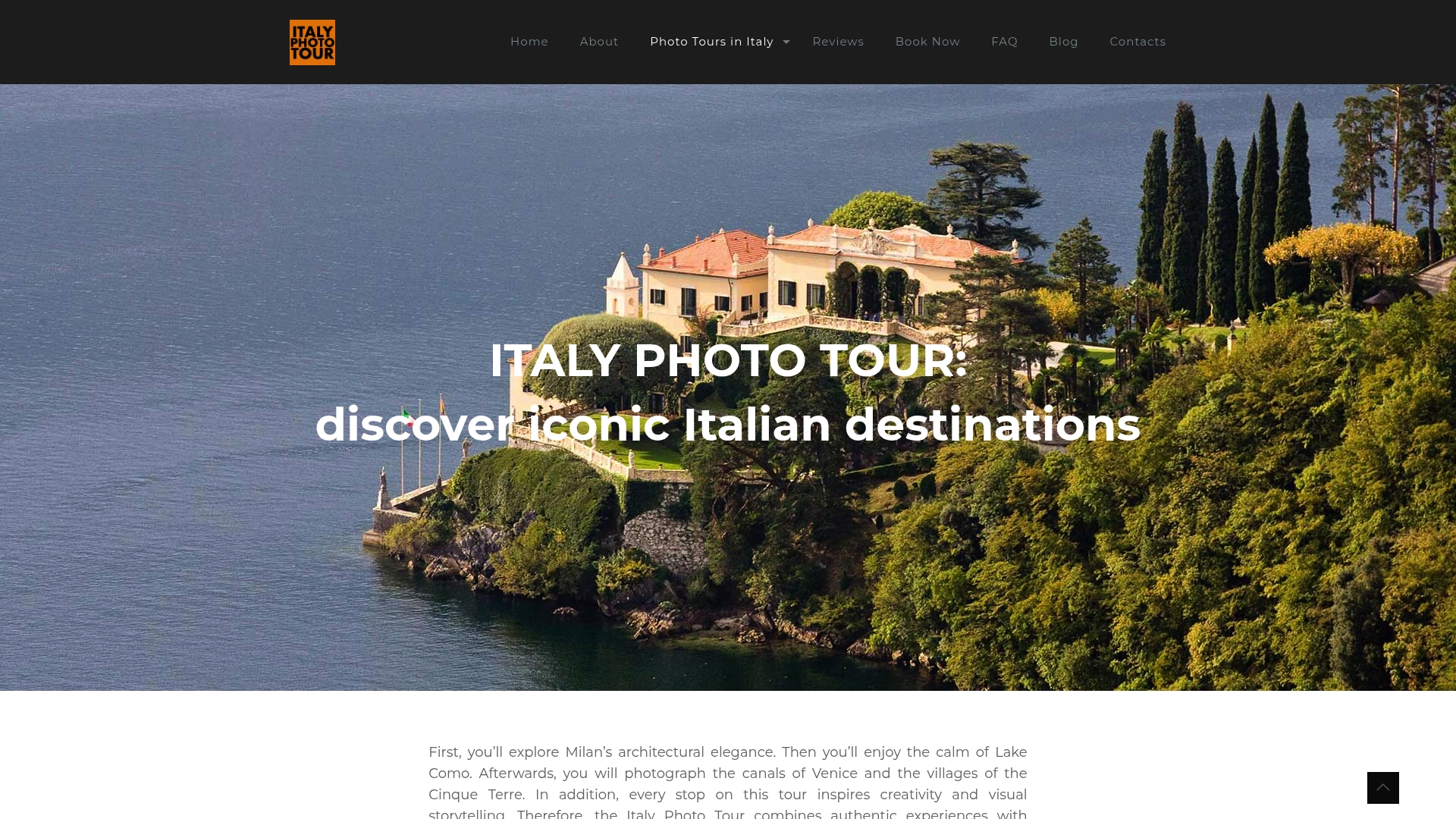
Professional guides understand seasonal patterns, optimal shooting times, and access permissions for locations ranging from urban hidden corners to remote mountain viewpoints. They handle logistics so you focus entirely on photography, from arranging transportation to securing permissions at private estates with photogenic architecture. Tours cover varied regions including cities, coastal areas, and mountain landscapes, each designed around specific lighting conditions and cultural events. Learn more about what we do to explore how tailored experiences enhance your creative vision. You’ll enhance cultural photography skills italy 2026 through immersive experiences that balance technical instruction with authentic cultural encounters.
FAQ
What is the best time to find hidden photo spots in Italy?
Early mornings between 5:30 and 7:00 AM offer the quietest conditions at most locations, with soft light perfect for photography. Shoulder seasons from May through June and September through October provide comfortable weather, fewer crowds, and dramatic skies. Midweek visits consistently deliver better access than weekends when locals also explore popular areas.
How can I connect with local photographers in Italy?
Join Italian photography groups on Facebook and Instagram, engaging authentically with members’ work before requesting advice. Attend photography workshops or meetups in major cities like Milan, Rome, or Florence where you can build face-to-face relationships. Approach interactions generously by offering to share your own discoveries or collaborate on projects rather than simply extracting information.
Are there ethical guidelines for photographing hidden spots?
Respect private property by always obtaining permission before photographing estates, farms, or residential areas. Follow Leave No Trace principles by staying on established paths, packing out all waste, and avoiding actions that damage vegetation or disturb wildlife. Research local customs around religious sites and festivals to ensure your photography doesn’t interrupt sacred moments or community traditions. Explore cultural photography ideas italy for deeper ethical frameworks.
What apps help find hidden photo spots in Italy?
PhotoHound provides community-submitted locations with navigation, user ratings, and detailed access information specific to photography needs. Locationscout offers an extensive database covering Italian regions with travel tips, gear recommendations, and sample images from each spot. Both apps include offline map capabilities essential for rural areas with limited cellular coverage.