

Over 70% of amateur photographers believe fine art travel photography is just about capturing beautiful travel scenes. This misconception limits their artistic growth and storytelling potential. Fine art travel photography uniquely combines artistic vision with travel documentation to create emotionally resonant images that transcend simple vacation snapshots. This guide clarifies the concept and reveals techniques, cultural immersion strategies, and Italy’s best locations for developing your artistic voice.
Table of Contents
- Introduction To Fine Art Travel Photography
- Defining Fine Art Travel Photography
- Techniques And Composition For Artistic Impact
- Cultural Storytelling And Immersion In Italy
- Best Italian Locations For Fine Art Travel Photography
- Enhancing Skills Through Guided Photography Tours In Italy
- Post-Processing: Crafting Your Artistic Vision
- Common Misconceptions About Fine Art Travel Photography
- Conclusion And Next Steps For Enthusiasts
- Enhance Your Fine Art Travel Photography With Italy Photo Tour
Key Takeaways
| Point | Details |
|---|---|
| Fine art travel photography fuses artistic expression with cultural documentation | It emphasizes emotional storytelling through composition, light, and conceptual framing beyond simple scenic capture. |
| Master compositional techniques and cultural engagement | Rule of thirds, leading lines, and immersive storytelling elevate your work from snapshots to art. |
| Italy offers diverse locations ideal for this genre | Tuscany, Venice, Cinque Terre, and the Dolomites provide rich visual and cultural subjects. |
| Guided tours accelerate skill development | Small group instruction in iconic locations combines technical training with cultural insights. |
| Post-processing completes your artistic vision | Editing enhances mood and narrative to align finished images with creative intent. |
Introduction to Fine Art Travel Photography
Fine art travel photography represents an emerging genre that merges the cultural documentation of travel photography with the expressive intent of fine art. Unlike casual vacation photos or commercial imagery, this approach prioritizes emotional resonance and personal vision. You craft images that communicate deeper narratives about place, culture, and human experience.
This genre differs significantly from related photographic styles. Commercial travel photography serves marketing purposes, documentary photography records events objectively, and casual travel snapshots preserve memories. Fine art travel photography transcends these functions by treating each image as an artistic statement. Your camera becomes a tool for visual poetry rather than simple recording.
Several key elements define this approach:
- Intentional composition that guides viewer emotion and creates visual harmony
- Deliberate manipulation of natural and ambient light to enhance mood
- Cultural and human narratives that connect viewers to authentic experiences
- Personal artistic vision that transforms ordinary scenes into extraordinary statements
- Technical mastery supporting creative expression rather than dictating it
Understanding Italian photography styles helps you appreciate how location influences artistic choices. Italy’s dramatic landscapes, historic architecture, and vibrant culture provide ideal subjects for developing your fine art travel photography skills. The country’s diverse regions offer endless opportunities to practice compositional techniques while engaging with rich cultural traditions.
Defining Fine Art Travel Photography
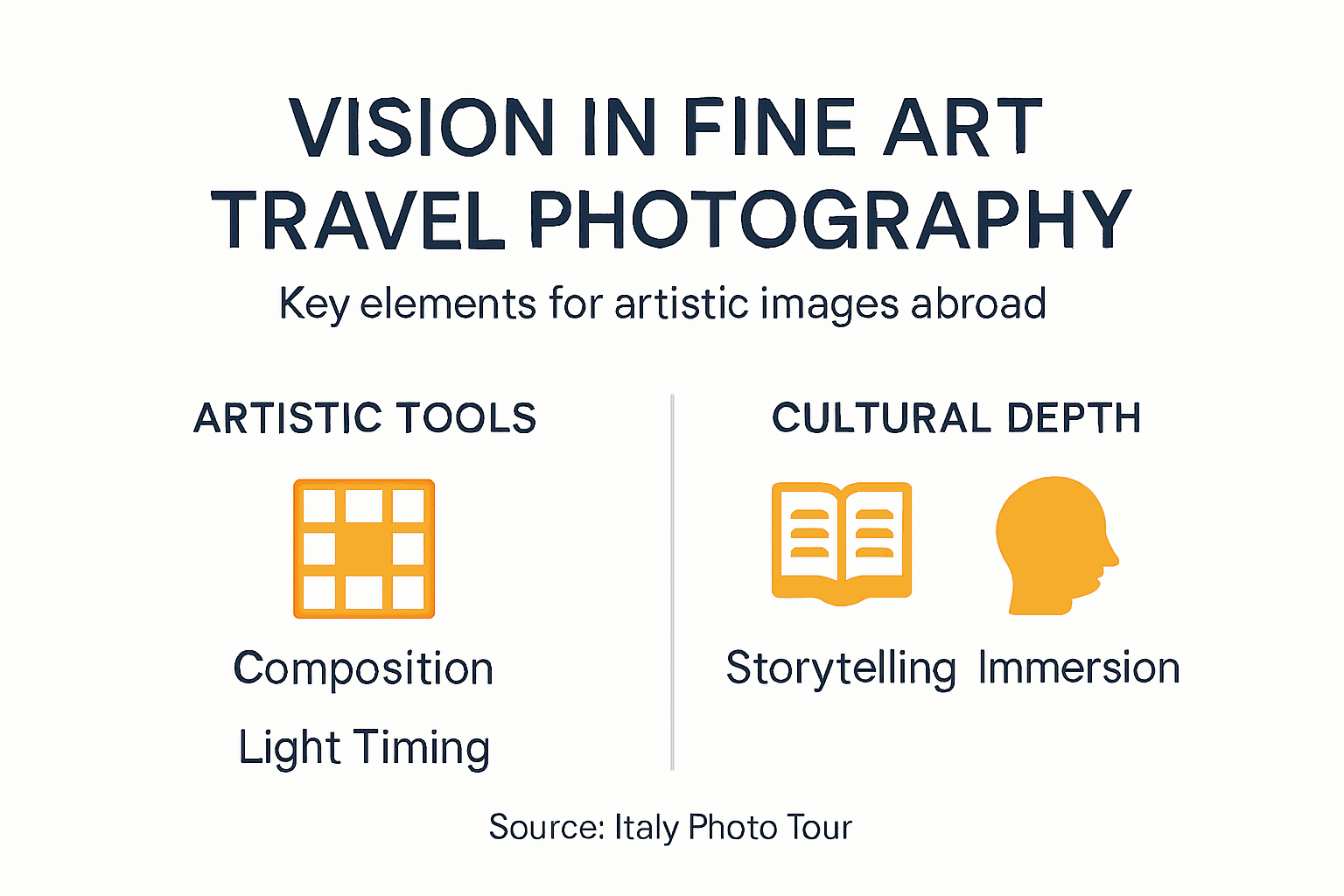
Artistic intent separates fine art travel photography from conventional travel imagery. While both capture foreign landscapes and cultures, fine art practitioners approach subjects with expressive and conceptual framing that communicates personal vision. You manipulate composition, timing, and light not just to document reality but to evoke specific emotional responses.
This personal expression and artistic vision distinguishes fine art photography from commercial work. Your goal shifts from pleasing clients or capturing pretty scenes to creating images that reflect your unique perspective on the world. Travel subjects like Italian hilltowns, Venetian canals, or Tuscan festivals become vehicles for exploring themes like isolation, community, tradition, or transformation.
Consider how these genres compare:
| Aspect | Fine Art Travel | Traditional Travel | Pure Fine Art |
|---|---|---|---|
| Primary Intent | Artistic expression through travel subjects | Documentation and sharing experiences | Conceptual exploration without travel context |
| Subject Matter | Cultures, landscapes with personal interpretation | Tourist attractions and travel moments | Abstract concepts or constructed scenes |
| Technical Approach | Creative composition and light manipulation | Clear documentation with good exposure | Experimental techniques prioritizing vision |
| Audience Goal | Evoke emotion and reflection | Inform or inspire travel | Provoke thought or aesthetic appreciation |
| Commercial Focus | Personal vision over market appeal | Often commercially driven | Gallery exhibition and art market |
Composition, timing, and light manipulation serve as your primary tools for emotional effect. A backlit street scene in Venice becomes a meditation on solitude when you isolate a single figure against golden architecture. Tuscany’s morning mist transforms rolling hills into dreamlike layers of tone and texture. These choices reflect artistic decisions rather than accidental captures.
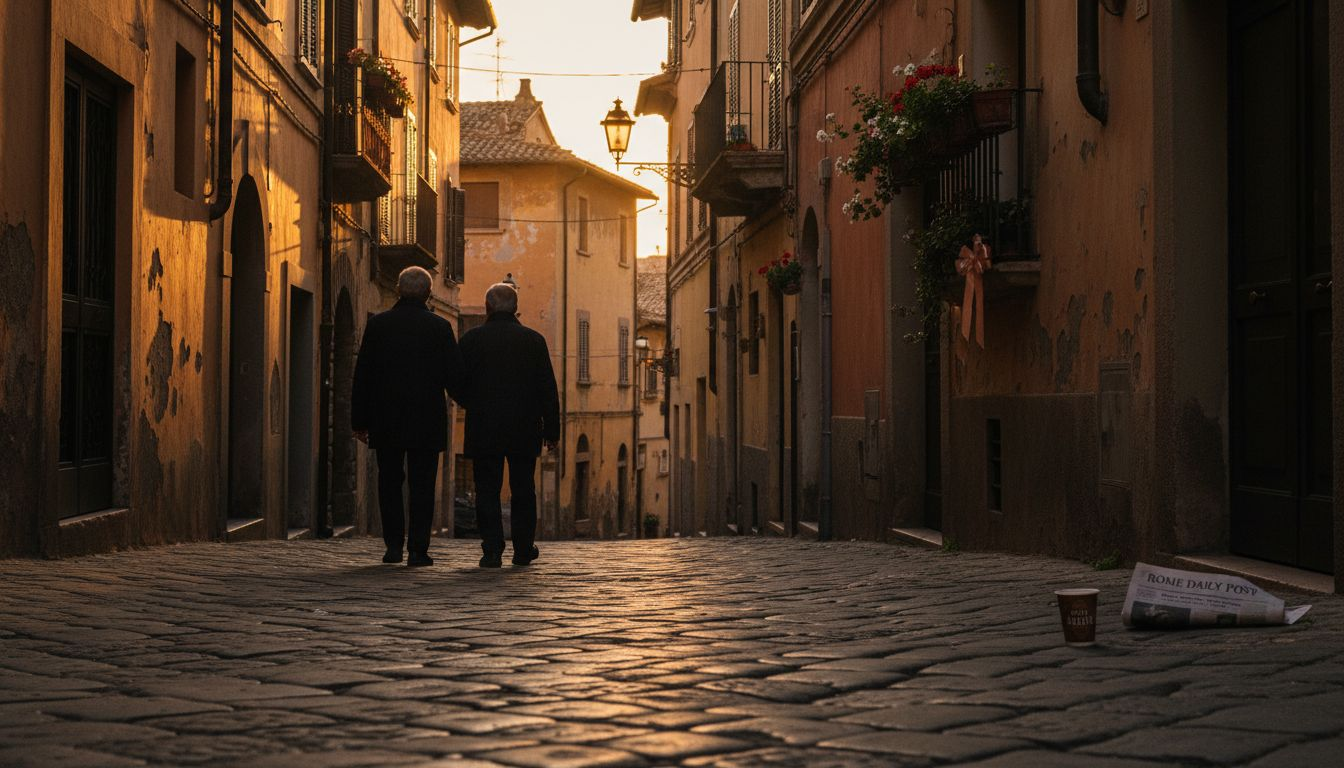
Developing cultural immersion deepens your ability to create authentic narratives. When you understand local traditions, festivals, and daily rhythms, you can anticipate meaningful moments and frame them with artistic sensitivity. Your images gain depth because they emerge from genuine engagement rather than superficial observation.
Techniques and Composition for Artistic Impact
Mastering foundational compositional techniques gives you the vocabulary to articulate your artistic vision. The rule of thirds, leading lines, and symmetry guide viewer attention and create visual harmony. Place key subjects at intersection points of an imaginary grid dividing your frame into thirds. Use architectural elements, roads, or natural features as leading lines that draw eyes through the composition. Break or emphasize symmetry to create tension or tranquility.
Natural and changing light profoundly affects mood and atmosphere in your images. Golden hour bathes Italian landscapes in warm, directional light that enhances texture and creates long shadows. Blue hour offers soft, even illumination perfect for architectural photography. Overcast conditions provide diffused light ideal for intimate portraits and subtle tonal gradations. You learn to anticipate and leverage these lighting conditions rather than simply accepting whatever exists.
Creative camera settings extend your artistic toolkit:
- Long exposures blur moving water or crowds, creating ethereal effects that emphasize permanence versus transience
- Wide apertures isolate subjects through shallow depth of field, directing focus to specific narrative elements
- High ISO grain can add texture and atmosphere to night scenes or create vintage aesthetic qualities
- Multiple exposures blend elements or create dreamlike composite images in camera
- Intentional camera movement during exposure produces abstract, painterly results
Pro Tip: Scout locations before golden hour to identify ideal vantage points and compositional elements. Planning photo tours around cultural events like harvest festivals or religious processions gives you access to authentic moments that elevate your storytelling beyond typical tourist imagery.
Post-processing amplifies choices you make during capture, but your artistic decisions begin in the field. Understanding how you will edit influences exposure choices, color balance decisions, and compositional framing. You shoot with your final vision in mind rather than hoping to fix problems later. This intentional approach produces stronger images that require less manipulation.
Cultural Storytelling and Immersion in Italy
Engaging with local cultures and traditions enriches your photographic narratives beyond surface beauty. When you attend a neighborhood festival in a Tuscan village, you witness authentic human connections that reveal cultural values. Photographing these moments with sensitivity and respect produces images that communicate deeper truths about place and community. Your camera documents not just appearance but essence.
Immersive travel promotes unique storytelling angles unavailable to casual tourists. Spending extended time in Venice’s residential neighborhoods reveals daily rhythms hidden from day visitors. You photograph morning market interactions, afternoon light filtering through narrow calli, evening gatherings in small campi. These observations build visual narratives that communicate authentic Venetian life rather than postcard clichés.
Specific examples illustrate cultural immersion’s impact:
- Documenting olive harvest traditions in Tuscany reveals connections between land, family, and heritage
- Capturing gondoliers’ morning routines before tourists arrive shows Venice’s working reality
- Photographing elderly artisans practicing traditional crafts tells stories about preservation and change
- Recording religious processions communicates community values and spiritual practices
Pro Tip: Approach cultural photography with respect and genuine curiosity. Learn basic Italian phrases, ask permission before photographing people, and seek stories beyond obvious tourist attractions. Cultural immersion and storytelling transforms your work from pretty pictures into meaningful artistic statements that honor your subjects.
Cultural context elevates fine art travel photography from aesthetically pleasing images to evocative art. A photograph of a weathered fisherman in Cinque Terre becomes powerful when you understand his relationship to the sea and changing economy. Tuscan farmhouse ruins gain poignancy when you know stories about rural depopulation. This knowledge informs your compositional choices and helps you create images that resonate emotionally.
Best Italian Locations for Fine Art Travel Photography
Italy’s diverse regions offer distinct visual and cultural opportunities for fine art travel photography. Each location presents unique combinations of landscape, architecture, light quality, and cultural richness that challenge and inspire your artistic development.
Tuscany provides quintessential Italian scenery with rolling hills, cypress-lined roads, and medieval hilltowns. Morning mist creates layered compositions emphasizing depth and atmosphere. Golden hour light enhances the region’s warm earth tones. Cultural subjects include harvest traditions, agriturismi life, and historic town festivals. The landscape’s gentle curves and agricultural patterns create natural compositional frameworks.
Venice offers unmatched architectural photography opportunities with canals, bridges, and ornate facades creating endless compositional possibilities. Reflections in water double your visual elements and add abstract qualities. Narrow streets channel dramatic light creating high-contrast scenes. The city’s unique character and residential neighborhoods provide authentic cultural narratives beyond tourist crowds.
Cinque Terre combines dramatic coastal landscapes with vibrant village colors and Mediterranean light. Terraced vineyards create geometric patterns against sea and sky. Fishing traditions and village life offer human interest subjects. Challenging terrain rewards photographers willing to hike for unique perspectives. Maritime light quality differs notably from inland regions.
The Dolomites deliver alpine drama with jagged peaks, alpine meadows, and changing mountain weather creating dynamic conditions. Dramatic light during sunrise and sunset transforms stark geology into otherworldly scenes. Seasonal variations from summer wildflowers to winter snow offer year-round opportunities. Mountain cultures and traditional architecture add human elements to grand landscapes.
| Region | Primary Scenery | Light Quality | Cultural Richness | Photographic Challenge |
|---|---|---|---|---|
| Tuscany | Rolling hills, hilltowns, vineyards | Warm, golden, misty mornings | Agricultural traditions, festivals | Timing for optimal conditions |
| Venice | Canals, architecture, reflections | Variable, dramatic contrasts | Urban life, maritime heritage | Crowds, changing water levels |
| Cinque Terre | Coastal cliffs, colorful villages | Mediterranean clarity | Fishing traditions, village culture | Terrain access, weather |
| Dolomites | Alpine peaks, meadows, forests | Dramatic mountain light | Mountain traditions, alpine life | Weather variability, altitude |
These locations appear in Italian photography styles discussions because they offer ideal conditions for developing specific skills. Tuscany teaches landscape composition and atmospheric photography. Venice develops architectural and urban photography abilities. Cinque Terre combines landscape and cultural documentation. The Dolomites challenge you with dramatic natural subjects and technical demands.
Enhancing Skills Through Guided Photography Tours in Italy
Guided photography tours provide structured learning environments that accelerate skill development through expert instruction and immersive experiences. Professional photographers leading these tours share technical knowledge, artistic approaches, and location insights accumulated over years of practice. You gain immediate feedback on your work and learn to see scenes through experienced eyes.
Small groups of 7-10 participants ensure personalized attention impossible in larger workshops. Instructors can review your images individually, suggest specific improvements, and adapt teaching to your skill level. You benefit from observing other participants’ work and hearing critiques that apply to your own photography. This collaborative environment builds community while maintaining focused instruction.
Field practice in iconic Italian locations combines technical training with cultural insights. Rather than just visiting beautiful places, you learn why specific locations work photographically and how to maximize their potential. Guides share optimal shooting times, hidden vantage points, and cultural context that enriches your understanding. You practice techniques in real conditions rather than theoretical classroom settings.
Key benefits for amateur and enthusiast photographers include:
- Direct instruction on artistic vision development and personal style cultivation
- Technical mastery of camera settings, exposure, and composition in varied conditions
- Cultural immersion through local guide knowledge and authentic access
- Constructive critique helping you identify strengths and improvement areas
- Networking with like-minded photographers for ongoing learning and inspiration
- Efficient learning compressed into intensive experiences rather than years of trial and error
Benefits of guided photo tours extend beyond immediate skill gains. You develop frameworks for continued self-directed learning and build confidence to pursue more ambitious projects. The immersive experience often clarifies your artistic direction and motivates deeper engagement with photography as a creative practice.
Post-Processing: Crafting Your Artistic Vision
Post-processing serves as a creative extension of shooting rather than mere correction of technical flaws. Just as painters refine their work after initial sketches, you use editing software to enhance mood, balance light, and emphasize narrative elements that fulfill your artistic vision. This process completes the creative journey from initial concept through capture to finished image.
Techniques for enhancing mood and emotional impact include:
- Adjusting color temperature to shift between warm nostalgia and cool detachment
- Manipulating contrast and tonal ranges to create drama or subtlety
- Dodging and burning specific areas to guide viewer attention and create depth
- Enhancing or muting colors to support emotional tone and visual harmony
- Adding texture or grain to create tactile quality or vintage atmosphere
Balancing naturalism with artistic manipulation requires judgment developed through practice. You aim for images that feel authentic while clearly expressing your vision. Overly processed images lose credibility and emotional connection. Under-processed images may fail to communicate your intended message. Finding this balance becomes easier as you develop a consistent personal style.
Popular software tools for fine art editing include Adobe Lightroom for global adjustments and workflow management, Photoshop for detailed manipulation and compositing, Capture One for advanced color control, and specialized plugins for specific effects. Each tool offers different strengths. Learning their capabilities helps you choose appropriate techniques for specific creative goals.
Pro Tip: Develop a consistent editing style that reflects your artistic intent across your portfolio. This coherence strengthens your work’s impact and helps viewers recognize your unique voice. Study post-processing techniques for artistic vision to understand how editing choices support rather than override your in-camera decisions.
Your editing workflow should support rather than dominate your creative process. Strong composition and exposure during capture reduce editing time and produce better results. Post-processing amplifies your vision but cannot create it from poorly executed photographs. This understanding encourages you to make better decisions in the field.
Common Misconceptions About Fine Art Travel Photography
Clearing frequent misunderstandings helps you approach fine art travel photography with realistic expectations and intentional practice. Many photographers struggle because they operate under false assumptions about the genre’s requirements and possibilities.
Fine art travel photography is not just pretty vacation photos but conceptual, emotional art requiring vision and intention. You must approach subjects with artistic purpose rather than simply documenting beautiful places. The difference lies in your mindset and method, not just subject matter. A skilled practitioner can create fine art from ordinary subjects through compelling vision and execution.
Not all travel photography qualifies as fine art without deliberate artistic expression and narrative intent. Taking technically competent photos of famous landmarks does not automatically produce fine art. You must bring personal interpretation, emotional depth, and compositional sophistication that transcends simple documentation. The label fine art travel photography describes an approach and intent, not just a subject category.
Post-processing is a vital artistic tool, not just basic editing or fixing mistakes. Many photographers view editing as correcting exposure errors or adjusting colors to match reality. In fine art practice, post-processing extends your creative vision and helps communicate intended emotions. This elevates editing from technical necessity to artistic expression.
Common misconceptions include:
- Expensive equipment is required for fine art travel photography (vision matters more than gear)
- You must visit exotic locations to create compelling work (artistic vision transforms ordinary scenes)
- Fine art travel photography requires formal art education (self-directed learning and practice build skills)
- Success depends on luck and being in the right place (preparation and vision create opportunities)
- Post-processing is cheating or inauthentic (editing has always been part of photographic art)
Understanding these realities helps you focus energy on developing vision, technique, and cultural engagement rather than pursuing false prerequisites. Fine art travel photography is accessible to dedicated practitioners willing to learn and practice intentionally.
Conclusion and Next Steps for Enthusiasts
Fine art travel photography combines technical mastery with artistic vision and cultural engagement to create emotionally resonant images. You learned that this genre transcends simple travel documentation through intentional composition, lighting, and narrative depth. Italy’s diverse regions provide ideal locations for developing these skills through immersive practice in culturally rich environments.
Key elements include understanding compositional techniques, leveraging natural light, engaging authentically with local cultures, and using post-processing to complete your artistic vision. These skills develop through dedicated practice and benefit significantly from expert guidance in real-world conditions.
Immersive learning accelerates your growth by combining technical instruction with cultural insights and immediate feedback. Small group experiences in iconic Italian locations provide concentrated skill development impossible through independent travel. You gain not just photographic techniques but frameworks for continued artistic evolution.
Consider joining immersive Italy photography tours designed specifically for amateur and enthusiast photographers seeking to enhance their fine art travel photography skills. These experiences combine expert instruction, cultural immersion, and practice in locations offering optimal conditions for artistic growth. Your journey from competent travel photographer to fine art practitioner begins with intentional learning and authentic engagement.
Enhance Your Fine Art Travel Photography with Italy Photo Tour
Ready to transform your travel photography into compelling fine art? Italy Photo Tour offers professional-led experiences that blend technical instruction with deep cultural immersion. Our small group format ensures personalized attention as you photograph iconic Italian locations under expert guidance.

Each photography tour in Italy focuses on developing your artistic vision while mastering compositional techniques in stunning settings. You will practice fine art travel photography principles in Tuscany’s rolling hills, Venice’s atmospheric canals, or Cinque Terre’s dramatic coastline. Our approach emphasizes authentic cultural engagement that enriches your storytelling.
Discover what we do at Italy Photo Tour and explore our immersive photography experiences designed specifically for enthusiasts seeking artistic growth. Limited availability in our small groups ensures quality instruction and meaningful interactions.
Pro Tip: Booking early secures spots in popular tours during optimal seasons when lighting and cultural events align for exceptional photographic opportunities.
Frequently Asked Questions
What is fine art travel photography?
Fine art travel photography is a genre combining artistic expression with travel imagery to evoke emotion and narrative. It emphasizes personal vision and conceptual framing over simple documentation. Your images communicate deeper meanings about culture, place, and human experience through intentional composition and lighting.
How can I improve my fine art travel photography skills in Italy?
Participate in guided photography tours for hands-on learning and cultural immersion. Expert instruction combined with field practice in iconic locations accelerates skill development. You gain immediate feedback, learn optimal shooting techniques, and develop your artistic vision through intensive experiences.
Which locations in Italy are best for fine art travel photography?
Tuscany, Venice, Cinque Terre, and the Dolomites offer diverse inspirational settings for fine art travel photography. Each region provides distinct combinations of landscape, architecture, light quality, and cultural richness. Explore these best Italian locations to find subjects matching your artistic interests and skill development goals.
What role does post-processing play in fine art travel photography?
Post-processing enhances mood and storytelling, helping realize your creative intent. It serves as an artistic extension of shooting rather than just correcting technical flaws. Learn about post-processing’s artistic role to understand how editing choices support your vision and complete the creative journey from capture to finished image.