

Packing for a photography trip to Italy means balancing gear versatility with portability while anticipating diverse shooting conditions across historic cities, rolling countryside, and coastal villages. Amateur and enthusiast photographers often struggle to determine which equipment deserves precious luggage space and how to prepare for Italy’s unique lighting, cultural sensitivities, and spontaneous photo opportunities. This comprehensive checklist walks you through essential camera gear, pre-trip planning strategies, backup solutions, cultural etiquette, and organizational tools to ensure you capture Italy’s beauty without missing critical shots or forgetting vital equipment in 2026.
Table of Contents
- Essential Camera Gear And Accessories For Italy
- Planning Your Shot List And Cultural Research
- Backup Equipment And Post-Processing Essentials
- Respectful Cultural Photography Practices In Italy
- Comprehensive Travel Photography Checklist Comparison Table
- Explore Italy With Expert Photography Tours
- FAQ
Key takeaways
| Point | Details |
|---|---|
| Pack versatile camera gear | Choose lightweight bodies, zoom and prime lenses, tripod, and weather-resistant accessories for Italy’s varied scenes |
| Research locations and lighting | Plan shot lists around golden hour times, cultural events, and iconic plus hidden Italian sites |
| Prepare backup and editing tools | Bring duplicate batteries, memory cards, portable storage, and laptop for on-the-go post-processing |
| Practice respectful cultural photography | Learn basic Italian phrases, always ask permission, and honor local customs at sacred sites |
| Use organized checklists | Streamline packing and preparation with categorized lists to avoid forgetting essential items |
Essential camera gear and accessories for Italy
Selecting the right camera body sets the foundation for your Italian photography adventure. Mirrorless cameras offer excellent image quality while keeping weight manageable for long days exploring cobblestone streets and hillside vineyards. Full-frame sensors excel in low light conditions you’ll encounter inside cathedrals or during evening street photography, but crop-sensor models provide extra reach for distant architectural details without sacrificing too much portability.
Lens selection demands careful thought since versatile lenses like zoom and prime options help capture varied Italian scenes efficiently. A wide-angle zoom covering 16mm to 35mm captures sweeping Tuscan landscapes and cramped Venetian alleyways. A standard zoom from 24mm to 70mm handles street photography, environmental portraits, and architectural details. Pack one fast prime lens around 35mm or 50mm for exceptional low-light performance and beautiful background separation when photographing people or intimate cultural moments.
Essential accessories transform good shots into great ones while protecting your investment:
- Lightweight carbon fiber tripod for long exposures at dusk and dawn
- Minimum three spare batteries since cold weather drains power faster
- Multiple high-speed memory cards totaling at least 256GB storage
- Lens cleaning kit with microfiber cloths and air blower for dusty conditions
- Circular polarizing filter to reduce reflections on water and enhance sky contrast
- Camera rain cover for unexpected Mediterranean showers
- Comfortable camera strap or harness for all-day shooting comfort
Pro Tip: Invest in weather-resistant camera bodies and lenses since Italian weather shifts quickly from brilliant sunshine to sudden rain, especially in spring and fall shoulder seasons when dramatic light creates the most compelling images.
Organize your gear in a versatile camera backpack that doesn’t scream “expensive equipment inside” to reduce theft risk while navigating crowded tourist areas. Choose bags with side access panels so you can grab your camera without removing the pack entirely. Padded compartments protect gear during train travel and cobblestone walks, while dedicated laptop sleeves accommodate post-processing equipment.
Planning your shot list and cultural research
Successful Italian photography begins weeks before departure with thorough location research and shot list creation. Study iconic landmarks like the Duomo in Florence or Rialto Bridge in Venice, but also dig deeper into lesser-known gems that offer unique perspectives without overwhelming crowds. Local photography blogs, Instagram location tags, and Google Earth’s 3D view help you visualize compositions and identify ideal shooting angles before arrival.
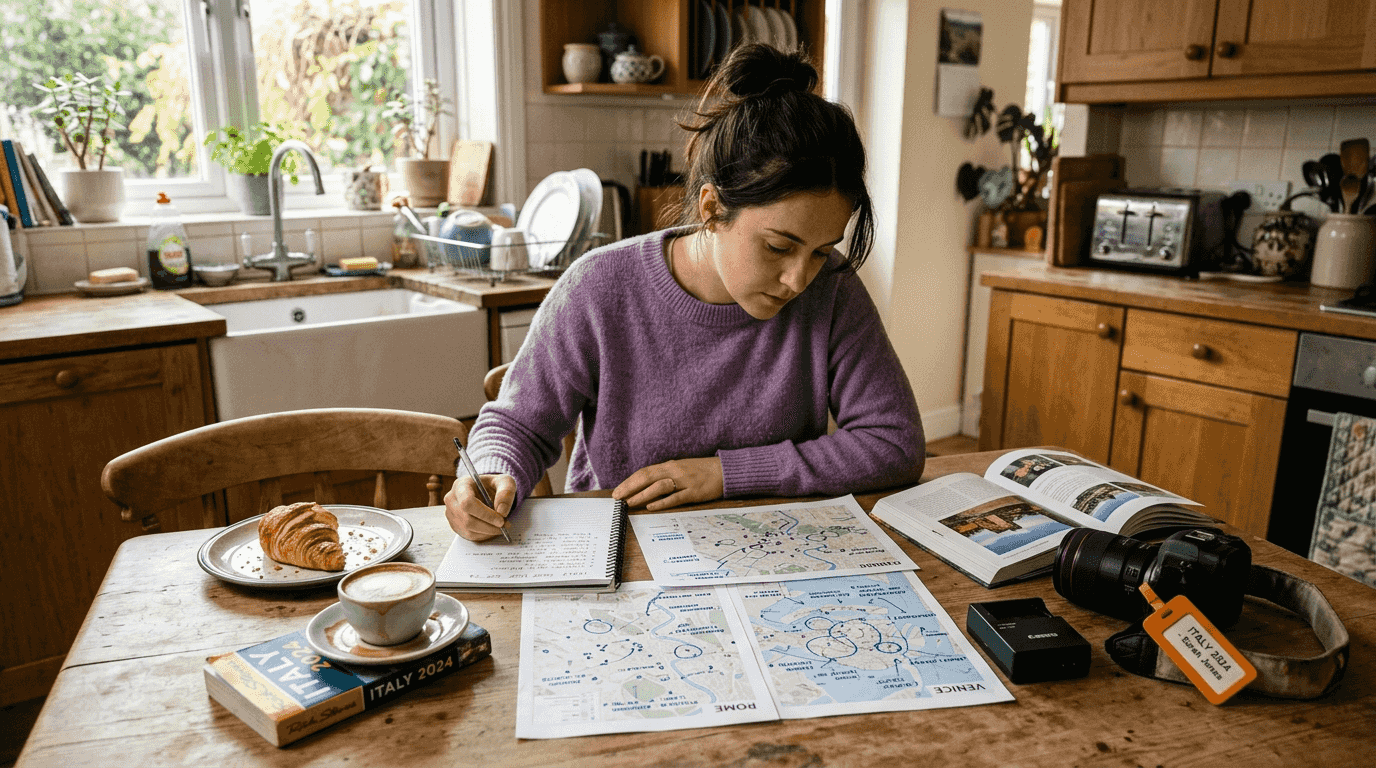
Timing your shots around golden hour lighting dramatically elevates image quality across Italian cities and countryside. Download apps that calculate precise sunrise and sunset times for each destination on your itinerary. Plan to arrive at priority locations 30 minutes before golden hour begins, giving you time to scout compositions and adjust camera settings. Morning light often provides clearer air quality in cities, while evening golden hour brings warm tones that complement terracotta rooftops and ancient stone facades.
Cultural events and festivals offer authentic storytelling opportunities that separate memorable travel photography from generic tourist snapshots:
- Research local sagre (food festivals) celebrating regional specialties
- Check Catholic calendar for religious processions and celebrations
- Identify weekly market days in each town for vibrant street scenes
- Note seasonal harvests like grape picking in Tuscany or olive harvests in Puglia
- Look for artisan workshops open to visitors for craft photography
Pro Tip: Build flexibility into your daily shooting schedule rather than cramming too many locations into tight timeframes, because Italy’s most magical photo opportunities often appear unexpectedly when you’re wandering without rigid plans and can pause to capture spontaneous moments of daily life.
Create a simple spreadsheet organizing locations by region, priority level, best time of day, and backup alternatives if weather doesn’t cooperate. Include notes about entrance fees, photography restrictions, and whether tripods are permitted inside museums or churches. This preparation prevents disappointment when you discover certain shots require advance permits or aren’t possible during your visit.
Backup equipment and post-processing essentials
Equipment failure during travel can devastate your photography goals, making backup gear non-negotiable for serious photographers. Pack duplicate items for anything that would end your trip if it failed. Carrying backup batteries, memory cards, and portable storage prevents catastrophic data loss during Italian photo tours. Memory card failure happens without warning, so shoot with two cards simultaneously if your camera supports dual slots, writing RAW files to both cards for instant redundancy.
Portable storage solutions protect your work and free up memory cards for continued shooting:
- Rugged portable SSD drives offering 1TB or more capacity
- Cloud storage backup via hotel WiFi each evening
- Secondary laptop or tablet as backup storage destination
- Card reader compatible with all your memory card formats
- USB battery pack to charge devices without wall outlets
Establish a nightly backup routine before bed, copying the day’s images to at least two separate storage devices. Organize files into folders by date and location immediately rather than dealing with thousands of unsorted images after returning home. Add star ratings or color labels to standout shots while memories remain fresh, streamlining your post-trip editing workflow significantly.
Bring a lightweight laptop or powerful tablet loaded with editing software for on-the-go post-processing. Processing a few favorite images each evening while travel impressions remain vivid often yields better creative decisions than editing months later. Mobile editing also lets you share compelling images with friends and social media followers while your trip generates maximum engagement and interest.
Develop a simple file naming convention and metadata system before departing. Embed copyright information and contact details into every image’s EXIF data using your camera’s settings or during import. This protection proves ownership if images are used without permission and helps recover lost camera equipment through good samaritan returns.
Respectful cultural photography practices in Italy
Photographing people and cultural traditions in Italy requires sensitivity and respect that goes beyond technical camera skills. Italians generally appreciate genuine interest in their culture but dislike feeling like zoo animals observed by tourists. Learning basic Italian phrases transforms you from intrusive photographer to respectful visitor genuinely interested in human connection beyond just taking pictures.
Master these essential phrases before your trip:
- “Posso fare una foto?” (May I take a photo?)
- “Grazie mille” (Thank you very much)
- “Scusi” (Excuse me)
- “Molto bello” (Very beautiful)
- “Mi dispiace” (I’m sorry)
Always ask permission before photographing people directly, especially for close portraits or candid shots where subjects are clearly identifiable. A smile, gesture toward your camera, and questioning expression often communicates your intent across language barriers. Many Italians will pose enthusiastically once they understand your respectful approach, while others will politely decline, which you must honor graciously without argument or persistence.
Certain locations demand extra cultural sensitivity and adherence to photography rules. Churches and religious sites often prohibit flash photography and sometimes ban photography entirely during services. Remove hats, dress modestly covering shoulders and knees, and silence camera shutter sounds out of respect for worshippers. Private businesses like restaurants and shops require permission before photographing interiors, staff, or customers, even if the space looks photogenic.
“Building genuine rapport with local subjects by showing interest in their stories rather than just their appearance creates authentic cultural photographs that convey real human connection instead of exploitative tourist snapshots. Take time to converse, even through gestures, before raising your camera.”
Avoid photographing sensitive subjects like homeless individuals, police or military personnel, or people in vulnerable situations without explicit consent. These images often exploit subjects rather than honoring their dignity and humanity. Focus instead on celebrating Italian culture’s vibrancy, craftsmanship, and daily life rhythms that locals willingly share with respectful visitors.
Comprehensive travel photography checklist comparison table
Organizing your photography preparation across multiple categories ensures nothing gets overlooked while helping you prioritize limited luggage space. This comparison table summarizes essential items grouped by function, indicating priority levels and typical use cases to guide your packing decisions.
| Category | Essential Items | Priority | Primary Use Case |
|---|---|---|---|
| Camera Bodies | Mirrorless or DSLR, backup body (optional) | Critical | All photography situations, backup prevents trip-ending failure |
| Lenses | Wide-angle zoom, standard zoom, fast prime | Critical | Landscapes, architecture, street photography, low-light situations |
| Support Gear | Lightweight tripod, monopod (optional) | High | Long exposures, golden hour shots, stable video |
| Power & Storage | 3+ spare batteries, 256GB+ memory cards, card reader | Critical | Extended shooting days, prevents running out of power or storage |
| Protection | Weather-resistant bag, rain covers, lens filters | High | Equipment protection, creative effects, all-weather shooting |
| Backup Solutions | Portable SSD, cloud storage, secondary storage device | Critical | Prevents catastrophic data loss, enables continued shooting |
| Editing Tools | Laptop or tablet, editing software, color-calibrated display | Medium | On-location processing, file organization, sharing images |
| Accessories | Cleaning kit, extra straps, USB battery pack | Medium | Equipment maintenance, comfort, charging devices |
| Cultural Prep | Italian phrase guide, local customs research, location permits | High | Respectful interactions, legal compliance, authentic access |
| Planning Tools | Shot list spreadsheet, golden hour calculator, offline maps | High | Maximizing photo opportunities, efficient time use, navigation |
Prioritize critical and high-priority items first when packing, then add medium-priority gear if luggage space and weight allowances permit. Consider shipping some equipment ahead to your first hotel if you need more gear than airlines allow in carry-on bags. Never check valuable camera equipment in luggage since loss or damage ruins your trip before it begins.
Review this checklist one week before departure, then again the night before leaving to catch any forgotten items while you still have time to acquire or borrow them. Take photos of your packed gear as a visual inventory that helps verify nothing gets left behind in hotel rooms during your Italian journey.
Explore Italy with expert photography tours
While careful preparation maximizes your independent photography success, joining guided photo tours elevates your Italian experience through expert instruction and insider access to both iconic and hidden locations. Professional photographers leading these tours share technical skills, compositional guidance, and cultural context that transforms snapshots into compelling visual stories. You’ll discover shooting angles and timing strategies that take years to develop independently.
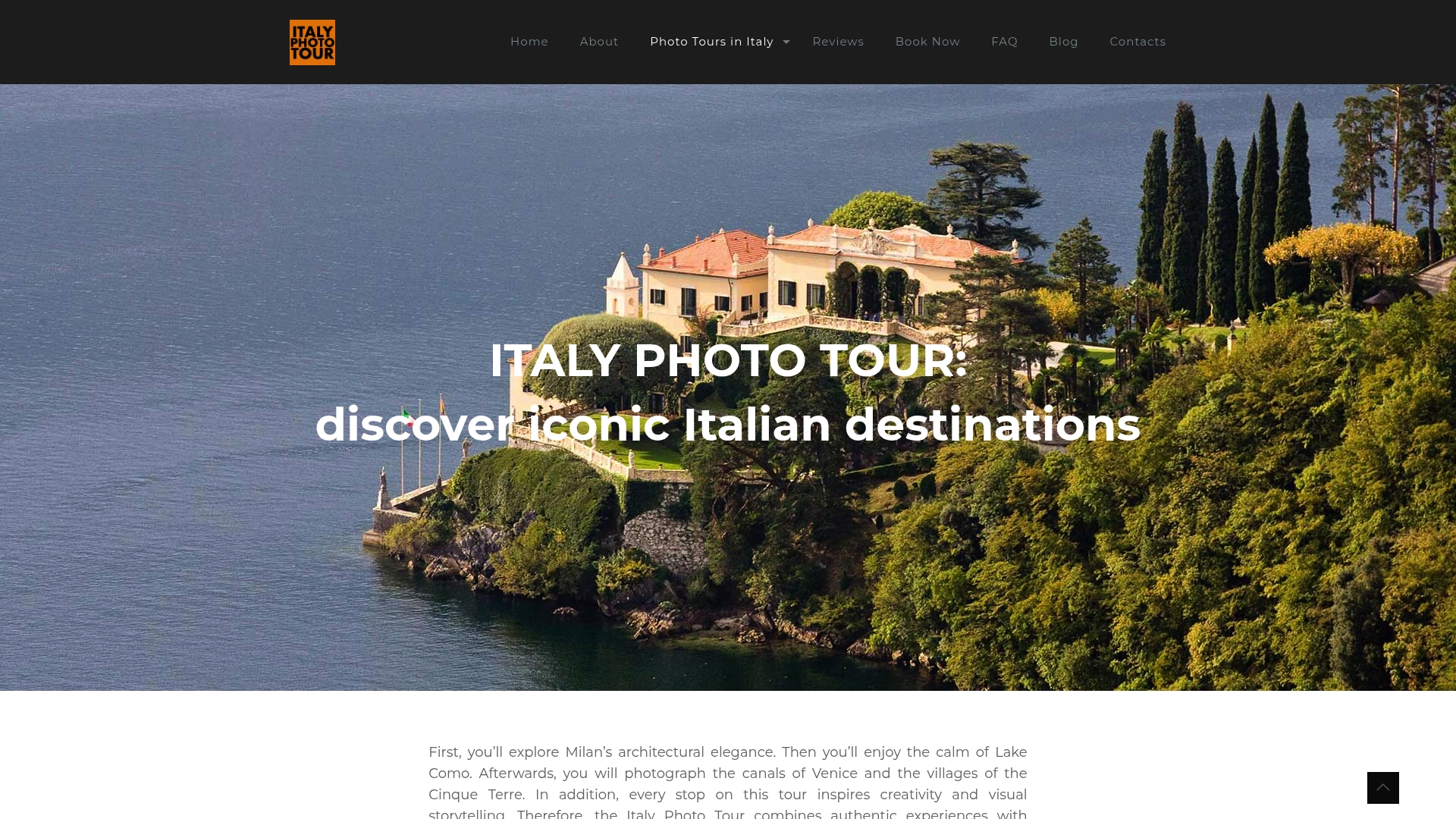
Our photography tours across Italy combine immersive cultural experiences with hands-on instruction tailored for amateur and enthusiast photographers seeking to improve their craft. We provide access to locations during optimal lighting conditions, often before crowds arrive or after tourists depart. Local guides facilitate authentic interactions with artisans, vendors, and residents who welcome our groups for genuine cultural photography opportunities. Discover what we offer and how our 2026 tour schedule can enhance your Italian photography adventure with expert guidance and unforgettable experiences.
FAQ
What should I include in my camera bag for travel photography in Italy?
Pack a versatile camera body (mirrorless or DSLR), wide-angle and standard zoom lenses, one fast prime lens, lightweight tripod, three spare batteries, and multiple high-speed memory cards totaling 256GB minimum. Include a lens cleaning kit, circular polarizing filter, and weather-resistant camera bag for protection. Prioritize lightweight, weather-resistant gear since you’ll carry equipment all day through varied Italian terrain and unpredictable weather conditions.
How can I plan to capture the best light in Italian cities and landscapes?
Research sunrise and sunset times for each destination using golden hour calculator apps, then plan to arrive at priority locations 30 minutes early for composition scouting. Golden hour light creates ideal conditions for Italian urban and natural photography with warm tones and soft shadows. Build schedule flexibility to adapt when weather changes or unexpected photo opportunities appear during your travels.
What cultural etiquette should I observe when photographing people in Italy?
Learn basic Italian greetings like “Posso fare una foto?” (May I take a photo?) and always ask permission before photographing identifiable people, especially for close portraits. Polite communication and asking permission builds trust essential for authentic cultural photography. Respect no-photo signs in churches and private properties, dress modestly at religious sites, and avoid photographing vulnerable individuals without explicit consent.
How much backup equipment should I bring for an Italy photography trip?
Bring duplicate batteries, memory cards, and portable storage devices since equipment failure can end your photography goals prematurely. Pack at least three spare batteries, shoot with dual memory card slots if available for instant redundancy, and carry both portable SSD and cloud backup solutions. Consider a backup camera body if budget allows, especially for trips longer than one week where equipment replacement becomes difficult.
What’s the best way to organize and protect photos while traveling in Italy?
Establish a nightly backup routine copying images to two separate storage devices (portable SSD and cloud storage via hotel WiFi). Organize files immediately into folders by date and location rather than sorting thousands of images after returning home. Embed copyright and contact information into EXIF metadata for protection, and add star ratings to standout shots while memories remain fresh for efficient post-trip editing.