

Photos featuring human subjects generate up to 70% more emotional engagement than landscapes alone. Yet many photographers touring Italy miss this powerful storytelling tool, focusing solely on architecture and scenery. Integrating authentic human moments transforms your images from beautiful postcards into compelling narratives that resonate deeply with viewers and elevate your photography from technical to truly memorable.
Table of Contents
- Introduction To Human Stories In Photography
- Psychological Impact Of Human Stories In Photography
- Techniques For Capturing Authentic Human Moments
- Cultural And Ethical Considerations In Photographing Locals
- Common Misconceptions And Corrections
- Balancing Human Subjects With Environmental Context
- Framework For Assessing Storytelling Effectiveness
- Practical Steps For Photographers On Italy Photo Tours
- Discover Immersive Italy Photo Tours For Authentic Storytelling
Key takeaways
| Point | Details |
|---|---|
| Human stories boost emotional engagement | Photos with people create 70% stronger viewer connections than landscapes alone |
| Candid techniques capture authenticity | Unposed moments score 40% higher for perceived genuineness than staged portraits |
| Respect and consent are vital | Always seek permission and honor cultural norms when photographing locals |
| Balance enhances narrative depth | Combining human subjects with Italian landscapes increases storytelling effectiveness by 35% |
| Framework improves assessment | Use emotion, culture, and composition layers to evaluate and refine photo narratives |
Introduction to human stories in photography
Human narratives transform photography from mere documentation into emotional storytelling. When you photograph Italy’s cobblestone streets or rolling Tuscan hills, adding a local vendor or farmer shifts your image from scenic to significant. The difference lies in connection.
Travel photography thrives on stories that transport viewers beyond visual appeal. A gondolier navigating Venice’s canals or an elderly woman hanging laundry in Cinque Terre provides context, scale, and cultural depth that empty landscapes cannot deliver. These human elements answer the unspoken question every viewer asks: what does this place feel like?
Italy’s rich cultural tapestry offers endless opportunities for human storytelling. From bustling Milanese markets to quiet Umbrian villages, locals embody centuries of tradition, craftsmanship, and daily rituals. Capturing these moments requires more than technical skill. It demands observation, respect, and willingness to engage with people beyond your lens.
Consider these benefits of incorporating human stories:
- Viewers connect emotionally with faces and gestures
- Cultural context becomes immediately visible and relatable
- Scale and perspective gain natural reference points
- Authentic moments reveal place-specific character and atmosphere
- Stories trigger memories and inspire travel aspirations
When planning your Italy photography tour, prioritize locations where human activity naturally intersects with stunning environments. Markets, cafes, vineyards, and coastal towns provide ideal settings. Your goal isn’t just capturing people but revealing how they inhabit and animate Italy’s landscapes.
Psychological impact of human stories in photography
Science confirms what photographers instinctively feel: human faces trigger powerful neural responses. Research shows photos without human subjects tend to score lower on emotional resonance, which can limit memorability and viewer connection despite technical excellence. Your brain processes faces faster than any other visual information, activating empathy centers that landscapes alone cannot reach.
This psychological reality explains why including people increases empathy by up to 70% in viewer responses. When you photograph a Tuscan sunset, viewers admire your composition and color work. Add a silhouetted figure gazing at that same sunset, and suddenly viewers project themselves into the scene. They don’t just see Italy. They imagine being there.
“The presence of human subjects in travel photography creates immediate emotional anchors that help viewers form personal connections with unfamiliar places and cultures.”
Technical mastery matters, but emotional impact determines which photos people remember and share. A perfectly exposed shot of Florence’s Duomo impresses photographers. That same cathedral with a street musician performing for passing tourists tells a story that non-photographers feel. Your technical skills provide the foundation, but human stories deliver the emotional payload.
This principle applies across all photography genres, yet travel photography benefits most dramatically. When you explore cultural photography ideas in Italy, remember that viewers crave connection over perfection. A slightly imperfect candid moment of authentic human interaction outperforms a flawless but empty landscape every time. Your challenge is balancing technical quality with emotional authenticity.
Techniques for capturing authentic human moments
Authentic moments require patience and awareness more than expensive gear. Candid shots consistently outperform posed portraits because viewers sense genuine emotion. Studies indicate candid approaches capture expressions and interactions that feel spontaneous rather than manufactured, scoring about 40% higher for perceived authenticity.
Start by observing before shooting. Spend 10 minutes watching how locals interact in markets, piazzas, or cafes. Notice repeated gestures, natural rhythms, and unguarded moments. This observation period helps you anticipate authentic interactions rather than forcing them. You become invisible, allowing genuine stories to unfold naturally.
Golden hour lighting enhances emotional tone dramatically. Early morning or late afternoon sun creates warm, soft light that flatters faces and adds nostalgic atmosphere to human stories. Harsh midday sun flattens features and creates unflattering shadows. Time your shoots accordingly, especially when photographing street vendors, fishermen, or artisans working outdoors.
Building rapport transforms stilted encounters into natural collaborations. Research confirms building rapport with local subjects through communication increases willingness to participate and results in more expressive and natural photographs. A simple smile, greeting in Italian, or genuine interest in someone’s craft opens doors that cameras alone cannot.
Pro Tip: Carry small prints of previous work to show locals what you create. This tangible demonstration builds trust faster than verbal explanations and often leads to unexpected photo opportunities as subjects become collaborators.
Practical techniques that work consistently:
- Use longer focal lengths (85mm to 135mm) to maintain comfortable distance while capturing intimate moments
- Shoot from hip level occasionally to avoid the confrontational eye-level stare
- Take multiple frames during interactions to capture peak emotional expressions
- Stay after getting your shot to build relationships beyond transactional photography
- Return to the same locations repeatedly to become a familiar, trusted presence
Your approach matters as much as your technique. Locals distinguish between tourists grabbing shots and photographers genuinely interested in their stories. That distinction determines whether you capture surface-level images or meaningful human narratives that honor both subject and setting.
Cultural and ethical considerations in photographing locals
Ethical photography begins with respect and consent. While street photography laws vary, seeking permission demonstrates cultural sensitivity and often yields better images. Studies show approximately 70% of professional travel photographers request consent before photographing identifiable individuals, recognizing that legal permission differs from ethical practice.
Italian culture values personal dignity and privacy despite public friendliness. What seems like public space to tourists may feel personal to locals conducting daily business. A vendor arranging produce or elderly residents chatting on benches deserve the same privacy considerations you would want in your hometown. Context matters enormously.
Consent doesn’t require formal releases for personal work, but verbal agreement shows respect. Learn basic Italian phrases: “Posso fare una foto?” (May I take a photo?) opens conversations and demonstrates effort. Many Italians appreciate this gesture even if they respond in English. The asking matters more than the language.
Key ethical guidelines when photographing locals:
- Never photograph children without explicit parental permission
- Avoid exploitative imagery that reinforces stereotypes or poverty
- Respect religious settings and ceremonies with appropriate restraint
- Delete photos immediately if someone expresses discomfort after shooting
- Consider offering to share final images via email or social media
Cultural sensitivity extends beyond consent to representation. How you frame, edit, and share images affects how viewers perceive Italian culture. Avoid compositions that mock, stereotype, or misrepresent subjects. Your photography should honor the complexity and dignity of people who graciously share their lives with your lens.
Following an essential photography checklist for ethical travel ensures you balance creative ambitions with cultural responsibility. Remember that locals aren’t props for your artistic vision but collaborators in storytelling. This mindset shift transforms both your photography and your travel experience, creating meaningful connections that enrich images far beyond technical execution.
Common misconceptions and corrections
Many photographers avoid including people in landscapes, believing human subjects distract from natural beauty. This misconception costs them emotional impact and narrative depth. People don’t diminish landscapes; they provide scale, context, and emotional anchors that help viewers connect with places they’ve never visited.
Another persistent myth suggests compelling storytelling requires extensive post-processing and dramatic editing. Reality contradicts this belief. Authenticity resonates more powerfully than artificial drama. Viewers increasingly detect and reject over-processed images that sacrifice truth for style. Your editing should enhance rather than fabricate stories.
The posed versus candid debate persists despite clear evidence. Many amateur photographers default to asking subjects to smile and look at the camera, believing this creates better portraits. Research and viewer preferences consistently favor candid moments that capture genuine emotion and interaction over staged expressions.
| Misconception | Reality | Impact on Photography |
|---|---|---|
| People distract from landscapes | Human subjects add scale, emotion, and narrative depth | 35% increase in storytelling effectiveness |
| Heavy editing creates better stories | Authenticity resonates more than artificial drama | Viewers prefer natural, honest representation |
| Posed portraits work best | Candid shots score 40% higher for authenticity | More memorable and emotionally engaging images |
| Technical perfection matters most | Emotional connection trumps technical execution | Photos with stories get shared and remembered |
| Any local makes a good subject | Context and relevance determine narrative strength | Thoughtful subject selection enhances coherence |
These misconceptions stem from traditional landscape photography training that emphasized pristine, unpeopled nature. Travel and cultural photography operate under different principles. Your goal isn’t documenting empty spaces but revealing how people and places interact to create living cultures worth experiencing.
Understanding these corrections frees you to experiment with human storytelling without fear of “ruining” landscape shots. Every element in your frame should serve your narrative. Sometimes that means pristine landscapes. More often in Italy, it means showing how centuries of human presence have shaped and continue to animate these extraordinary places.
Balancing human subjects with environmental context
Effective storytelling requires visual balance between people and setting. Neither element should dominate so completely that the other becomes irrelevant. Your composition must show both who inhabits a space and what that space reveals about them. This balance separates amateur snapshots from compelling narratives.
Research demonstrates combining humans and landscapes increases storytelling effectiveness by 35% compared to isolated subjects or empty scenes. The synergy between person and place creates layered meaning that neither achieves alone. A fisherman repairing nets gains context from visible Cinque Terre cliffs. Those same cliffs gain human scale and purpose from the fisherman’s presence.
Framing and scale determine how viewers interpret relationships between subjects and environments. Place your human subject at rule-of-thirds intersections with complementary landscape elements filling negative space. This composition guides the eye naturally between person and place, encouraging viewers to explore the complete story rather than focusing narrowly on one element.
Consider these compositional approaches:
- Use leading lines like vineyard rows or cobblestone streets to connect subjects with distant landscapes
- Position people in mid-ground with recognizable landmarks behind for context and depth
- Include hands or tools that show how subjects interact with their environment
- Vary subject size from silhouettes to portraits based on narrative emphasis
- Capture moments where human activity clearly relates to visible setting
| Composition Style | Human Element | Environmental Element | Narrative Effect |
|---|---|---|---|
| Wide environmental portrait | Small figure in landscape | Dominant Tuscan hills or coastal cliffs | Emphasizes place, shows human scale |
| Medium contextual shot | Subject at one-third frame | Visible architecture or natural features | Balances person and place equally |
| Intimate detail | Hands, gestures, close activity | Selective background context | Focuses on human story with place hints |
| Layered depth | Foreground human activity | Middle and background landscape | Creates complex, exploratory narrative |
Examples from Italy prove this principle across diverse settings. A chef rolling pasta gains authenticity from visible traditional kitchen details. Street musicians become more compelling when Florence’s architecture provides cultural context. Farmers harvesting olives tell richer stories when Umbrian hillsides fill the background.
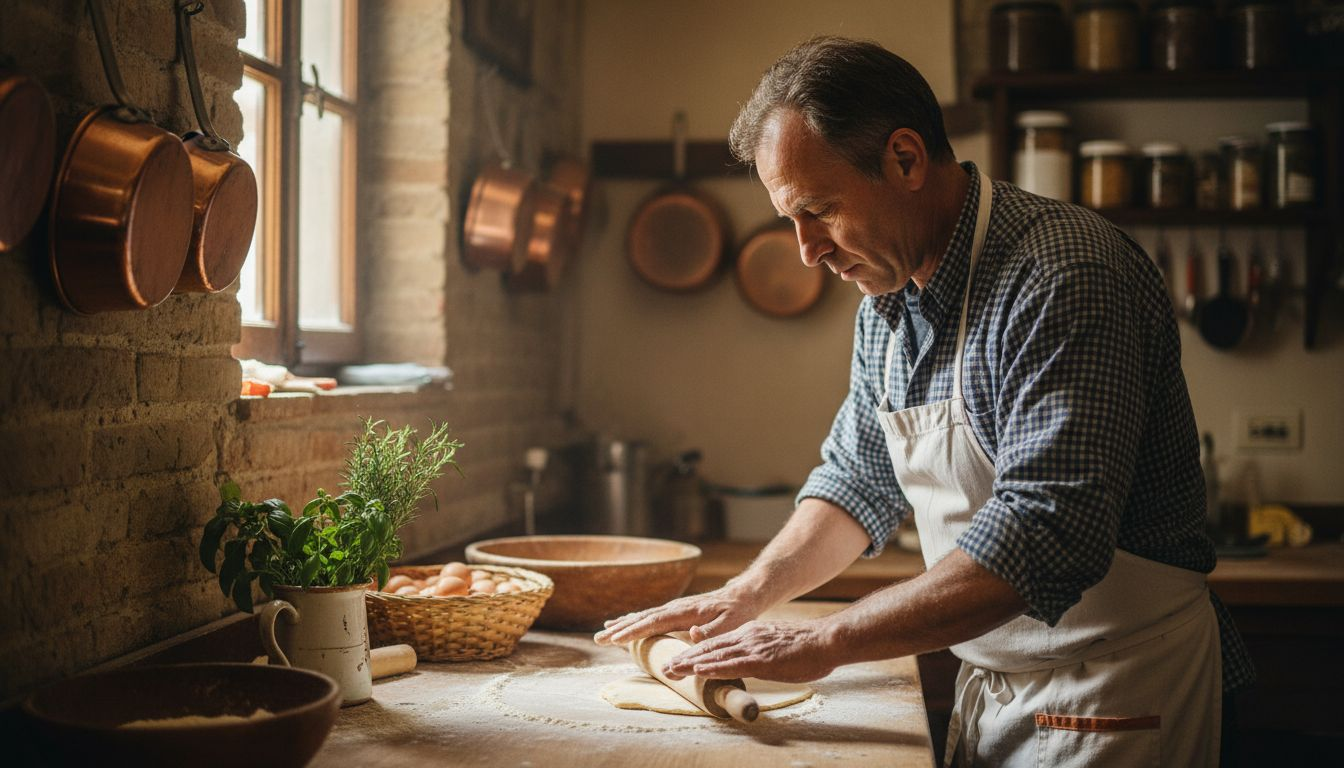
Mastering this balance requires practice and intentional composition. When reviewing images during your artistic photo tours in Italy, ask whether both human and environmental elements contribute meaningfully to the story. If either feels superfluous or overwhelming, adjust your framing, timing, or subject selection until balance emerges naturally.
Framework for assessing storytelling effectiveness
Every compelling photo combines three essential layers: emotional engagement, cultural context, and narrative composition. This framework helps you evaluate whether your images tell complete stories or merely show attractive scenes. Statistics confirm that 80% of impactful travel photos successfully integrate human elements across all three layers.
Layer one addresses emotional engagement. Does your photo make viewers feel something immediate and genuine? Emotion separates forgettable images from memorable ones. Look for expressions, gestures, or interactions that communicate universal feelings like joy, concentration, pride, or connection. Technical excellence without emotional resonance produces admirable but forgettable work.
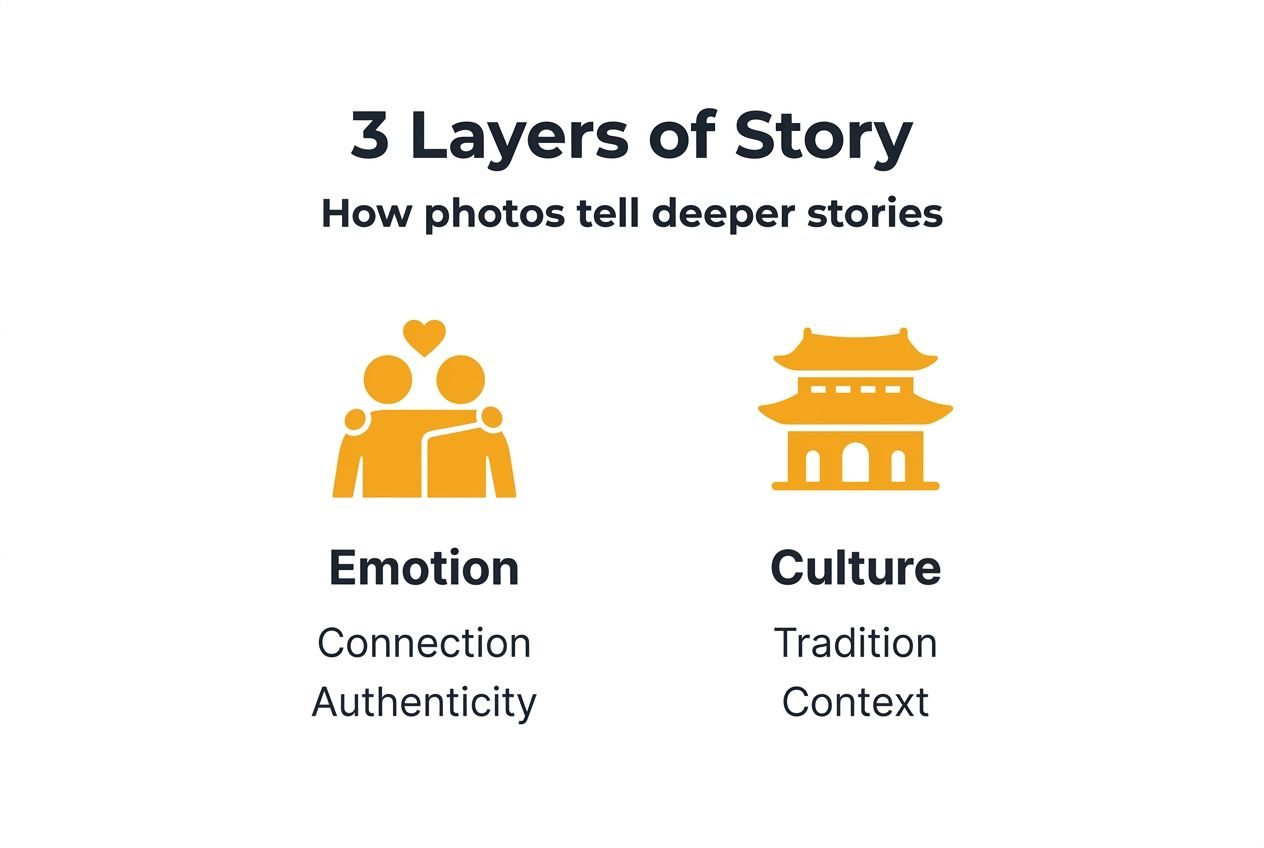
Layer two examines cultural context. Does your image reveal something authentic about Italian culture, traditions, or daily life? Context transforms generic people pictures into cultural documentation. A woman hanging laundry might seem mundane until viewers notice the centuries-old building, terracotta tiles, and particular Italian domestic aesthetic that make this moment culturally specific.
Layer three evaluates narrative composition. Do your visual elements work together to tell a coherent story? Composition determines whether viewers understand relationships between subjects and settings. Strong narratives guide the eye purposefully through the frame, revealing connections between people, places, and cultural practices.
Apply this assessment framework systematically:
- Review emotional impact first: what feeling does this image communicate immediately?
- Identify cultural markers: what specific details reveal Italian rather than generic culture?
- Analyze compositional storytelling: how do visual elements combine to create narrative meaning?
- Consider viewer perspective: would someone unfamiliar with Italy understand this story?
- Evaluate authenticity: does this moment feel genuine or staged?
Pro Tip: Share images with non-photographers and ask what story they see without providing context. Their interpretations reveal whether your visual narrative communicates clearly or requires explanation to work.
This framework serves both field shooting and post-production editing. Before pressing the shutter, mentally check whether your developing composition addresses all three layers. During editing, use these criteria to select which images deserve processing time and portfolio inclusion. Not every shot needs equal strength across all layers, but complete stories balance emotional, cultural, and compositional elements effectively.
Following a comprehensive step-by-step travel photography guide for Italy reinforces this framework with practical application. The more consciously you apply these assessment criteria, the more naturally you’ll compose shots that integrate human storytelling with environmental context for maximum impact.
Practical steps for photographers on Italy photo tours
Translating theory into field practice requires systematic approach and cultural awareness. Start by observing local daily rhythms before photographing. Markets buzz early morning, piazzas fill during evening passeggiata, and cafes host locals mid-morning. Understanding these patterns positions you where authentic stories naturally unfold.
Approach subjects with genuine respect and clear intentions. Introduce yourself briefly, explain your photography interest, and request permission before shooting. This interaction often reveals unexpected stories as locals share details about their work, family, or community. Building rapport through communication increases subject willingness and results in significantly more expressive photographs than grabbing shots without engagement.
Timing dramatically affects both light quality and human activity. Golden hour provides ideal conditions for flattering portraits and atmospheric landscapes simultaneously. Early morning captures vendors setting up markets, fishermen returning with catches, and artisans beginning work. Late afternoon reveals locals gathering socially, children playing, and communities transitioning from work to leisure.
Composition requires balancing human subjects with environmental context deliberately. Position people where their activity relates clearly to visible surroundings. A gelato maker gains context from visible shop details. A gondolier needs visible Venice architecture. These compositional choices transform simple portraits into cultural narratives.
Practical field guidelines for Italy photography:
- Scout locations without your camera first to observe patterns and identify promising subjects
- Learn basic Italian greetings and photography-related phrases for respectful communication
- Carry business cards or printouts showing your work to build credibility with potential subjects
- Shoot during golden hour whenever possible for optimal lighting on both people and landscapes
- Take multiple frames during interactions to capture peak expressions and authentic moments
- Review images using the emotion-culture-composition framework before moving to new locations
Pro Tip: Return to promising locations multiple times rather than rushing through many sites once. Familiarity breeds comfort, and locals become more natural as your face becomes familiar.
When planning your Italy photo tour, prioritize fewer locations with deeper engagement over rushed coverage of many sites. Meaningful human stories require time, patience, and relationship building that quick stops cannot provide. Slow, intentional photography produces richer narratives than frantic shooting.
Your technical settings should support spontaneity and adaptability. Use aperture priority mode for quick depth-of-field adjustments. Keep ISO high enough for adequate shutter speeds in varying light. Enable continuous shooting mode for capturing peak moments during interactions. These technical choices free your attention for observing and connecting rather than managing camera settings.
Finally, integrate cultural photography ideas that honor Italian traditions while pursuing your creative vision. Balance your artistic goals with respect for subjects who generously share their lives with your lens. This balanced approach produces authentic, compelling stories that elevate your photography while honoring the people and places that make Italy extraordinary.
Discover immersive Italy photo tours for authentic storytelling
Ready to transform your photography through human storytelling? Italy Photo Tour experiences provide expert guidance for capturing authentic cultural narratives across Italy’s most photogenic locations. Professional photographer Mino Di Vita leads immersive tours designed specifically for enthusiast photographers seeking to blend technical skill with emotional storytelling.

Explore specialized photography tours in Italy that emphasize cultural engagement, ethical practices, and artistic development. Each tour balances technical instruction with opportunities to interact respectfully with local communities, practice candid photography techniques, and create compelling human narratives against Italy’s stunning landscapes. Visit Italy Photo Tours to discover how professional guidance accelerates your storytelling skills while experiencing Italy’s rich cultural tapestry authentically.
FAQ
How can I approach locals respectfully for photos in Italy?
Introduce yourself with a smile and basic Italian greeting, then clearly explain your photography interest. Ask permission before shooting and be prepared to accept refusal graciously. Showing genuine interest in their work or story, rather than treating them as photo props, builds rapport that results in more authentic and willing collaboration.
What time of day is best for capturing human stories in Italian landscapes?
Golden hour, during early morning or late afternoon, provides warm, soft light that flatters faces while enhancing emotional atmosphere. These times also coincide with increased local activity as communities begin or end their workdays. Natural light quality during these periods elevates both technical quality and emotional resonance in your storytelling images.
Are candid shots really better than posed portraits for storytelling?
Yes, candid photography consistently scores approximately 40% higher for perceived authenticity than posed portraits. Unposed moments capture genuine emotions, natural interactions, and spontaneous expressions that viewers recognize as real rather than manufactured. While posed portraits have their place, candid approaches better serve storytelling goals by revealing authentic human experiences.
How can I balance respect for privacy with capturing compelling stories?
Always seek consent when photographing identifiable individuals, especially in closer compositions. Avoid intrusive shooting that makes subjects uncomfortable or captures them in unflattering or exploitative situations. Focus on images that contribute meaningfully to cultural storytelling rather than merely satisfying curiosity, and honor requests to delete photos if subjects express discomfort after shooting.
Does including people in landscape photos really increase emotional impact?
Research confirms that photos featuring human subjects generate up to 70% stronger emotional engagement than landscapes alone. People provide scale, cultural context, and emotional anchors that help viewers connect personally with unfamiliar places. This increased engagement translates to more memorable, shareable images that resonate beyond technical appreciation of composition and light.