

Capturing Italy’s vibrant culture goes beyond snapping pictures of the Colosseum or gondolas. Most amateur photographers return with generic travel shots that miss the soul of local life, failing to tell the deeper stories embedded in daily rituals, regional customs, and authentic human moments. This guide provides actionable techniques to transform your photography from superficial snapshots into compelling cultural narratives that honor Italy’s diverse traditions and communities.
Table of Contents
- Introduction To Cultural Photography In Italy
- Prerequisites: What You Need To Start
- Step By Step Approach To Cultural Photography In Italy
- Common Mistakes And How To Avoid Them
- Expected Outcomes And How To Measure Success
- Explore Expert Led Photography Tours In Italy
Key takeaways
| Point | Details |
|---|---|
| Preparation matters | Combining cultural research with proper camera gear is essential for authentic cultural storytelling. |
| Respectful engagement | Building trust with locals through polite interaction unlocks genuine moments unavailable to intrusive tourists. |
| Light and technique | Using natural light creatively and switching between wide and zoom lenses elevates narrative quality. |
| Avoid common errors | Intrusive shooting, poor lighting choices, and ignoring cultural context ruin authenticity and ethical standing. |
| Measure growth | Track progress through improved storytelling, ethical practices, and feedback from mentors or workshops. |
Introduction to cultural photography in Italy
Cultural photography captures the essence of a place through its people, traditions, and everyday life. Unlike tourist snapshots focused on famous landmarks, this approach prioritizes creative storytelling in cultural photography, atmosphere, and local context. You aim to reveal the character of a community, whether documenting a market vendor in Sicily or a winemaker in Tuscany.
Italy presents unique challenges and opportunities. Each region boasts distinct landscapes, customs, and traditions. Tuscan hill towns differ vastly from Venetian canals or Neapolitan street markets. Cultural immersion travel photography demands you understand these nuances before raising your camera.
Authentic cultural images emerge from respectful interaction and patience. You cannot rush genuine moments. Spending time in a neighborhood, observing daily rhythms, and engaging locals with curiosity transforms your photos from surface documentation to meaningful visual stories.
Consider these unique cultural aspects when photographing Italy:
- Regional festivals celebrating patron saints with processions and fireworks
- Family traditions around food preparation, from pasta making to olive harvesting
- Artisan workshops preserving centuries old crafts like leather working or glass blowing
- Daily rituals such as evening passeggiate or morning espresso routines
- Architectural vernacular reflecting local materials and historical influences
Prerequisites: what you need to start
Before exploring Italy’s cultural richness, assemble the right tools and mindset. Equipment choices directly impact your ability to capture spontaneous moments without drawing excessive attention.
A lightweight mirrorless camera with wide and zoom lenses serves diverse Italian scenarios. Mirrorless bodies offer manual controls for creative flexibility while remaining compact enough for extended walks through medieval alleys or rural villages.
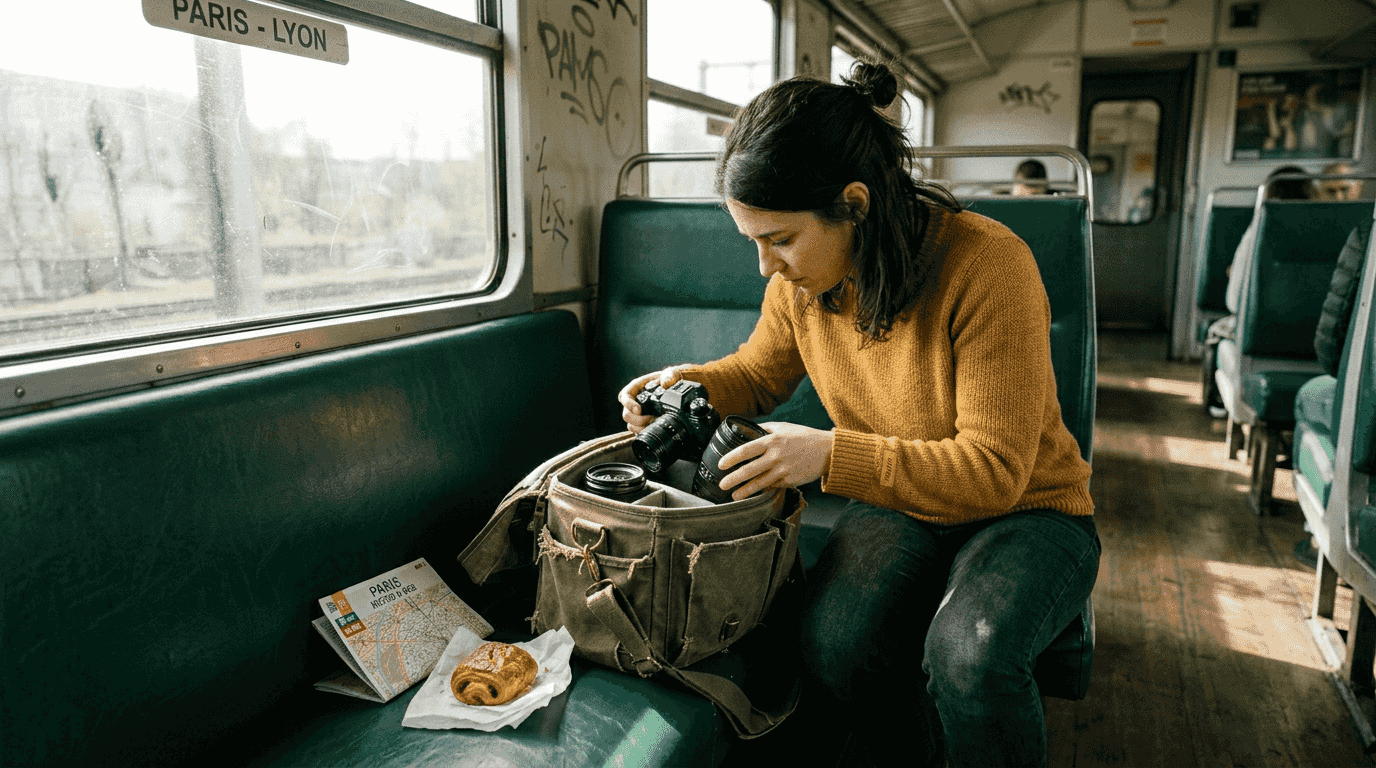
Lens selection matters enormously. A wide angle 16 to 35mm lens excels at capturing sweeping landscapes, piazzas, and architectural context. A versatile 24 to 70mm zoom handles street scenes, portraits, and detail shots. Together, these two lenses cover most cultural photography situations without requiring constant swaps.
Cultural research proves equally critical as gear. Study regional history, customs, and current events before arrival. Learn basic Italian phrases for greetings, permission requests, and gratitude. This preparation demonstrates respect and opens doors to authentic interactions impossible for unprepared tourists.
Your mindset shapes outcomes as much as technical skill. Approach subjects with genuine curiosity, not just extraction of images. Practice patience, openness to unexpected moments, and willingness to put the camera down when presence matters more than pictures.
| Equipment/Preparation | Recommendation |
|---|---|
| Camera body | Lightweight mirrorless with manual controls |
| Primary lens | Wide angle 16-35mm for landscapes and context |
| Secondary lens | Zoom 24-70mm for portraits and street scenes |
| Cultural prep | Research regional customs and basic Italian phrases |
| Mindset | Respect, patience, and genuine engagement |
Refer to an Italy photography checklist and a photo tour checklist to ensure nothing gets forgotten.
Pro Tip: Pack a lightweight, weatherproof camera bag that keeps gear accessible while staying mobile through crowded markets or steep hillside villages.
Step by step approach to cultural photography in Italy
Effective cultural photography follows a deliberate process maximizing authenticity and technical quality. This sequence helps you move from planning to execution with confidence.
Research local context beforehand. Study the specific region’s history, traditions, and current cultural events. Understanding why a festival occurs or how a craft developed enriches your visual storytelling and guides where to focus attention.
Prepare gear for diverse scenarios. Check batteries, memory cards, and lens selection the night before shooting. Anticipate switching between your wide angle for environmental context and zoom for intimate portraits or details.
Plan shoots during golden hour. Schedule morning and late afternoon sessions when natural light is warm and directional. This timing improves photo mood and authenticity compared to harsh midday sun that flattens scenes.
Engage locals respectfully before photographing. Use your Italian phrases to greet people, explain your interest, and request permission. Smile genuinely and accept refusals graciously. Building rapport often leads subjects to relax and reveal authentic expressions.
Focus on candid moments over posed shots. Observe daily activities like vendors arranging produce, children playing in piazzas, or artisans working in studios. Wait for natural gestures and interactions that tell stories without artificial staging.
Use natural light photography Italy techniques creatively. Position yourself to capture side lighting that reveals texture and depth. Shoot into soft backlighting for atmospheric silhouettes or glowing edges around subjects.
Incorporate human storytelling techniques that connect viewers. Frame individuals within their environment to show relationships between people and place. Capture hands at work, facial expressions during conversation, or bodies in motion during traditional dances.
Pro Tip: Patience transforms ordinary scenes into extraordinary images. Wait for that perfect gesture, the right light angle, or the moment when a subject forgets the camera exists.
Common mistakes and how to avoid them
Amateur photographers repeatedly stumble over preventable errors that compromise image quality and ethical standards. Recognizing these pitfalls helps you develop better habits from the start.
Photographing without permission creates discomfort and distrust. Always ask before shooting identifiable individuals, especially in private or semi private spaces. A polite request in Italian demonstrates respect and usually receives a positive response. When someone declines, thank them and move on without argument.
Ignoring cultural context produces insensitive or shallow images. Photographing religious ceremonies without understanding their significance can result in disrespectful framing or timing. Research traditions beforehand and observe how locals behave before raising your camera.
Shooting in harsh midday light flattens photos and kills atmosphere. Direct overhead sun creates unflattering shadows under eyes and noses while washing out colors. Schedule shoots during golden hour or seek open shade that provides soft, even illumination.
Focusing solely on posed portraits or landmarks misses authentic storytelling. While iconic sites have value, cultural immersion travel photography thrives on candid moments revealing daily life. Capture the baker pulling bread from the oven, not just the finished loaf posed on a table.
Using flash in sensitive environments disturbs subjects and ruins ambient mood. Increase your ISO setting and open your aperture instead. Modern cameras handle low light remarkably well, preserving natural atmosphere that flash destroys.
Rushing through locations prevents genuine connection and observation. Spending just 15 minutes in a piazza before moving on means you miss the rhythms and relationships that make compelling images. Slow down, watch patterns, and let moments develop naturally.
Correct these mistakes by prioritizing respect, patience, and cultural understanding over simply collecting images. Your photography improves dramatically when subjects feel comfortable and scenes unfold authentically.
Expected outcomes and how to measure success
Following this guide produces tangible improvements in both technical execution and cultural sensitivity. Understanding realistic expectations helps you recognize progress and identify areas needing further development.
You will notice enhanced ability to use natural light creatively. Your photos will feature warmer tones during golden hour, better shadow detail, and more dimensional subjects. Composition skills sharpen as you frame people within meaningful environmental context rather than centering them awkwardly.
Cultural sensitivity grows through practice. You become more attuned to when photography is appropriate, how to request permission gracefully, and which moments deserve observation without a camera. This ethical awareness distinguishes respectful photographers from exploitative tourists.
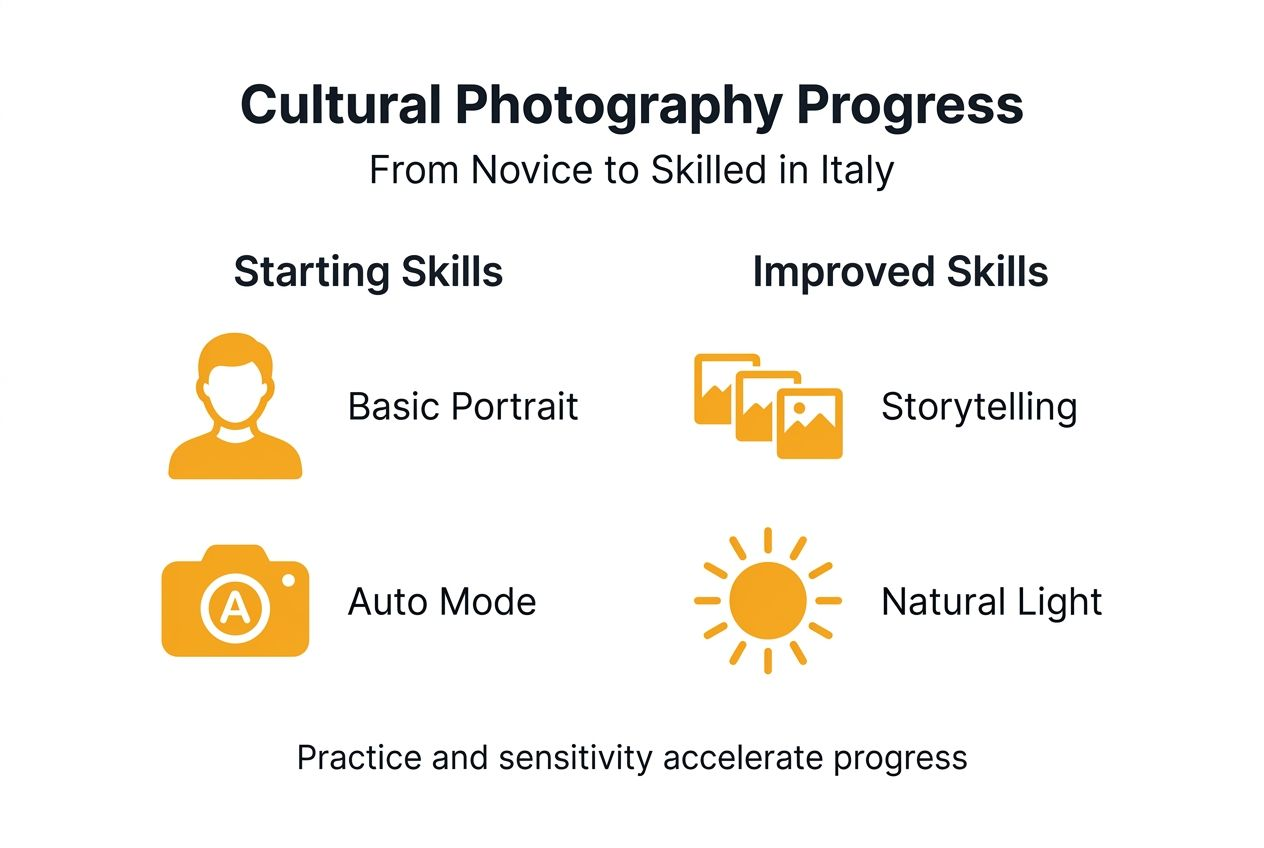
Storytelling capability represents the most significant advancement. Your images begin conveying emotion, relationships, and cultural meaning beyond mere documentation. Viewers understand not just what you photographed but why it matters to the community and culture.
Measure progress through these specific indicators:
- Compare recent photos with earlier work for improvements in light quality and composition
- Seek constructive feedback from photography mentors or online communities
- Track how often locals respond positively to your presence and requests
- Evaluate whether your images tell coherent stories or just show pretty scenes
- Participate in guided workshops to benchmark skills against structured learning objectives
| Novice Results | Guided Skill Outcomes |
|---|---|
| Generic landmark photos | Contextual environmental storytelling |
| Harsh lighting and flat images | Creative use of golden hour and natural light |
| Uncomfortable or posed subjects | Authentic candid moments and genuine expressions |
| Limited cultural understanding | Respectful engagement and meaningful narratives |
| Technical uncertainty | Confident manual control and lens selection |
Skill development accelerates dramatically with expert guidance and immersive practice. Many photographers report breakthrough moments during photographic storytelling Italy experiences where concentrated learning replaces years of trial and error.
Explore expert led photography tours in Italy
Ready to transform your cultural photography skills through immersive learning? Italy Photo Tour offers specialized photography tours Italy designed specifically for amateur and enthusiast photographers seeking authentic storytelling experiences.

Professional photographer Mino Di Vita leads guided sessions in iconic locations like Milan, Tuscany, Venice, and Cinque Terre. These tours combine technical instruction with cultural immersion, teaching you to capture light, shadow, and human stories that generic travel photography misses. You gain immediate feedback, access to local communities, and structured practice that accelerates skill development far beyond self guided exploration.
Discover how to enhance travel photography skills Italy through personalized coaching focused on your creative goals. Explore photographic storytelling Italy opportunities that deepen both technical mastery and cultural understanding while building connections with fellow photography enthusiasts.
FAQ
What equipment is best for cultural photography in Italy?
A lightweight mirrorless camera with manual controls provides ideal flexibility for diverse Italian scenarios. Pair it with a wide angle 16 to 35mm lens for landscapes and architecture plus a versatile 24 to 70mm zoom for portraits and street scenes.
How can I respectfully engage locals for authentic photos?
Learn basic Italian phrases for greetings, permission requests, and gratitude before your trip. Always ask politely before photographing identifiable individuals, making eye contact and smiling genuinely. Respect refusals graciously without argument or attempting sneaky shots.
What lighting techniques work best in Italy’s diverse settings?
Shoot during golden hour, the first hour after sunrise and last hour before sunset, when light is warm and directional. Make creative use of ambient natural light by positioning subjects near windows or in open shade. Avoid harsh midday sun that flattens images and creates unflattering shadows.
How do I measure progress in cultural photography skills?
Compare your recent photos with earlier work, evaluating improvements in light quality, composition, and storytelling depth. Seek constructive feedback from photography mentors or online communities specializing in travel and cultural documentation. Participate in workshops or guided tours for structured development and benchmark assessments against expert standards.