

Finding the perfect photo spot in Italy can feel overwhelming when you’re surrounded by endless iconic landmarks and hidden treasures. Amateur and enthusiast photographers often struggle to choose locations that offer both visual impact and practical accessibility. This guide curates Italy’s most photogenic spots, from under-the-radar architectural gems to world-famous vistas, with expert tips on timing, gear, and composition. You’ll learn exactly when to shoot, what equipment works best, and how to access these locations without hassle, ensuring your Italian photography journey delivers stunning results and immersive cultural experiences.
Table of Contents
- Key takeaways
- Key criteria for choosing Italian photo spots
- Hidden gems: unique architecture and landscapes off the beaten path
- Iconic Italian landmarks for classic photography
- Comparing hidden gems and iconic landmarks: a photo spot showdown
- Explore Italy’s photo spots with expert guidance
- FAQ
Key Takeaways
| Point | Details |
|---|---|
| Golden hour timing | Shoot during the 30 to 60 minutes after sunrise or before sunset to get soft warm light and reduce harsh shadows. |
| Lens and polarizers | Use wide angle lenses and polarizing filters to expand scenes and control reflections for richer color. |
| Accessible shooting spots | Locations reachable by foot or train reduce logistics and crowding, enabling longer, calmer sessions. |
| Pre trip planning | Scout positions on Google Maps Street View to identify sun angles and foreground elements before your trip. |
Key criteria for choosing Italian photo spots
Selecting the right photo location requires balancing technical factors with creative vision and practical logistics. Understanding these criteria helps you evaluate any Italian location and plan shoots that align with your skill level and photographic goals.
Timing your shoot during golden hour transforms ordinary scenes into extraordinary images. The 30 to 60 minutes after sunrise or before sunset provide soft, warm, directional light that avoids the harsh shadows and blown highlights of midday shooting. This window is particularly crucial for architecture, where side lighting reveals texture and depth in stone facades and creates dramatic shadow play across columns and arches.
Your lens choice directly impacts composition possibilities and final image quality. Wide-angle lenses in the 16 to 35mm range excel at capturing expansive Tuscan landscapes and towering cathedral interiors, allowing you to include foreground interest while maintaining sharpness throughout the frame. Polarizing filters serve as essential tools for managing reflections on water surfaces and enriching blue skies, adding color saturation that makes your images pop without heavy post-processing.
Accessibility significantly affects your photography experience and creative output. Locations reachable by train or foot support immersive, relaxed shooting sessions where you can focus entirely on composition and light rather than parking logistics or vehicle security. These car-free spots often feature fewer crowds since casual tourists tend to cluster around parking areas, giving you cleaner frames and more breathing room to experiment with angles.
Contrasting opportunities exist between famous landmarks and overlooked hidden gems, each offering distinct creative challenges. Iconic sites like Florence’s Duomo provide instantly recognizable compositions but require strategic timing to avoid overwhelming crowds. Meanwhile, finding hidden photo spots in Italy rewards you with unique perspectives and peaceful shooting conditions that feel more authentic and personal.
Understanding how light direction, seasonal weather patterns, and equipment capabilities interact allows you to plan shoots with precision. Spring and fall offer moderate temperatures and variable cloud cover that creates interesting sky textures, while summer provides longer golden hours but harsher midday light. Winter delivers crisp air and dramatic low-angle sunlight but shorter shooting windows and potential weather disruptions.
Pro Tip: Scout locations on Google Maps Street View before your trip to identify exact shooting positions, sun angles at different times, and potential foreground elements. This preparation maximizes your limited shooting time on location.
Hidden gems: unique architecture and landscapes off the beaten path
Italy’s lesser-known photo spots deliver extraordinary visual opportunities without the tourist crowds that complicate shooting at famous landmarks. These locations reward photographers willing to venture slightly beyond standard itineraries with unique compositions and peaceful creative environments.
The Nottolini Aqueduct near Lucca stretches over 3 kilometers with 460 elegant arches creating perfect leading lines for landscape compositions. This stunning 19th-century structure offers incredible interplay between light and shadow as the sun moves across its repetitive geometric forms. You can shoot from ground level to emphasize perspective compression or climb nearby hills for elevated views showing the aqueduct snaking across the Tuscan countryside. The location remains remarkably under-photographed despite its visual drama, and you can reach it easily by train to Lucca followed by a pleasant 30-minute walk through olive groves.
Pietra di Bismantova rises dramatically from the Apennine foothills as a massive limestone formation that landscape photographers dream about. The rock’s vertical east wall glows brilliant orange during sunrise, while sunset shoots from the summit deliver panoramic views across rolling mountains fading into atmospheric haze. The location offers multiple shooting perspectives: shoot from the base looking up to emphasize the rock’s imposing scale, or hike the trail to the top for sweeping landscape vistas that showcase the Emilia-Romagna countryside stretching to the horizon.
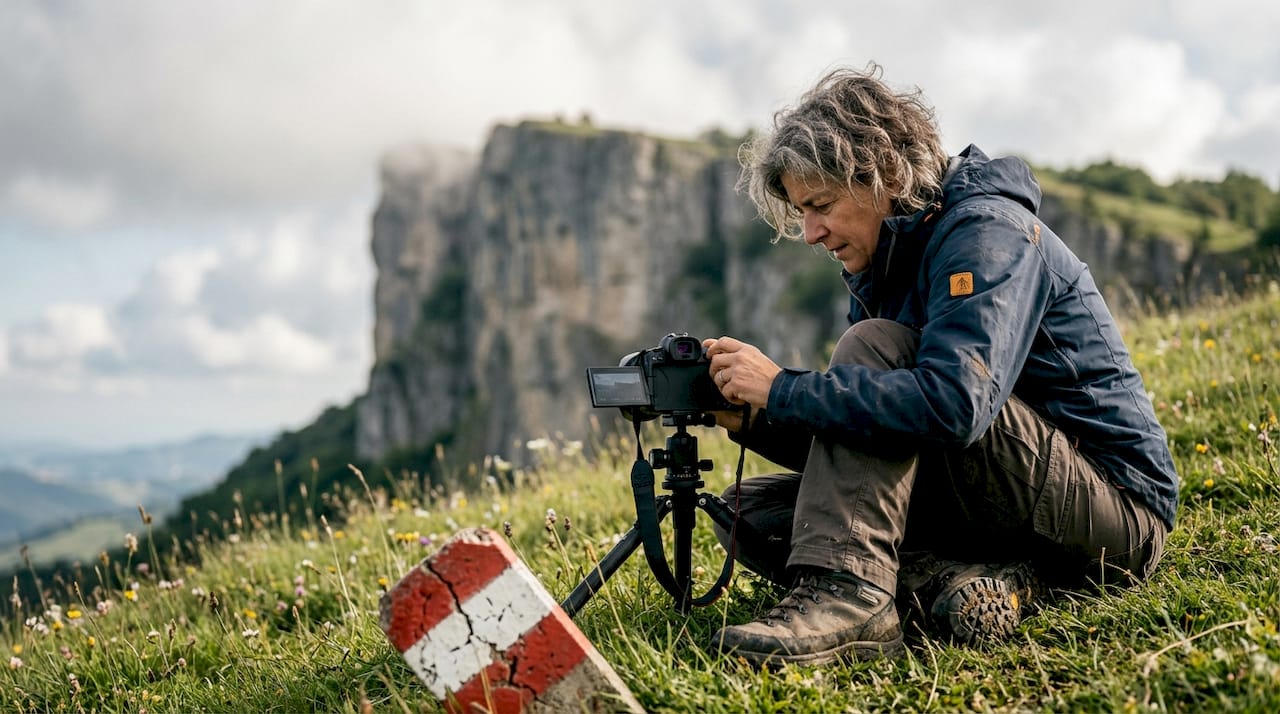
These hidden photo spots in Italy require specific technical approaches to capture their full visual potential. Polarizing filters become essential for managing the bright limestone surfaces at Pietra di Bismantova, reducing glare while enriching the blue sky that contrasts with warm rock tones. Exposure bracketing helps you handle the extreme dynamic range between shadowed arches and bright sky at Nottolini, allowing you to blend exposures in post-processing for perfectly balanced final images.
Both locations provide peaceful settings ideal for beginners and enthusiasts wanting to develop their skills without pressure from crowds or time constraints. You can spend hours exploring different angles, waiting for optimal light, and experimenting with compositions that would be impossible at heavily trafficked tourist sites. The immersive experience of shooting in relative solitude deepens your connection to the landscape and allows genuine creative exploration.
Pro Tip: Visit Nottolini Aqueduct in late afternoon when the sun illuminates the arches from the side, creating dramatic shadow patterns that emphasize the structure’s three-dimensional form and architectural rhythm.
Iconic Italian landmarks for classic photography
Italy’s world-famous landmarks offer instantly recognizable compositions that connect your work to centuries of artistic tradition. These locations demand strategic planning to overcome crowds and capture fresh perspectives on heavily photographed subjects.
The Duomo di Firenze dominates Florence’s skyline with Brunelleschi’s massive dome and provides multiple vantage points for varied compositions. Piazza del Duomo offers the classic ground-level view where you can use wide-angle lenses to capture the entire facade with its intricate marble patterns in pink, white, and green. Climbing Giotto’s Bell Tower positions you at eye level with the dome itself, creating intimate architectural portraits that emphasize the structure’s engineering genius and decorative details. Piazzale Michelangelo delivers the iconic sunset cityscape with the Duomo rising above terracotta rooftops, though you’ll share this spot with dozens of other photographers and tourists.
Cappella Madonna di Vitaleta stands as Tuscany’s most photographed chapel, perfectly framed by cypress trees that create natural leading lines toward the simple Renaissance structure. Spring offers the best shooting conditions when warm golden light bathes the chapel during sunset and surrounding wheat fields glow green before harvest. The location requires a wide-angle lens to include both the chapel and its cypress frame while maintaining proper perspective, and a sturdy tripod ensures sharpness during the lower light of golden hour.
Successful shooting at these iconic locations requires arriving early or staying late to avoid peak tourist hours. Early morning shoots at the Duomo provide clean streets and soft directional light that reveals texture in the marble facade, while most tourists arrive mid-morning after breakfast. Sunset at Vitaleta draws crowds, but arriving 90 minutes before sunset gives you time to scout compositions and secure your shooting position before the golden hour rush.
Using tripods and wide-angle lenses enhances your technical results at these architectural subjects. Tripods allow slower shutter speeds for maximum sharpness and depth of field, critical when you want every detail crisp from foreground to background. Wide-angle lenses in the 16 to 24mm range let you include entire structures without distortion when shooting from limited space in crowded piazzas.
Pro Tip: Shoot the Duomo from Piazza della Repubblica at blue hour when the cathedral is illuminated and the sky provides a rich blue backdrop that balances the artificial lighting without going completely black.
Comparing hidden gems and iconic landmarks: a photo spot showdown
Choosing between under-the-radar locations and world-famous landmarks depends on your creative goals, schedule flexibility, and comfort with crowds. Each category offers distinct advantages that serve different aspects of your photographic development and portfolio needs.
Hidden gems like Nottolini Aqueduct and Pietra di Bismantova deliver unique compositions that stand out in portfolios precisely because fewer photographers shoot them. These locations provide manageable crowd levels that allow patient composition refinement and multiple shooting angles without rushing. The immersive experience of discovering and photographing lesser-known sites creates deeper personal connections to your images and more authentic creative satisfaction. You’ll spend more time actually photographing and less time waiting for tourists to clear your frame.
Iconic landmarks such as the Duomo di Firenze and Vitaleta chapel offer instant recognition that connects your work to Italy’s cultural heritage and artistic tradition. These globally famous subjects provide classic compositions that demonstrate your technical skills and artistic vision within established visual frameworks. However, higher visitor footfall requires strategic timing and patience to capture clean shots, and you’ll compete with countless other photographers shooting the same angles.
Regional differences significantly impact your photographic style and color palette. Northern Italy offers cooler light tones with more diffused atmospheric conditions, while southern and Tuscan spots provide warmer Mediterranean colors with stronger contrast and more saturated hues. Beautiful places across Italy showcase these regional variations, from the dramatic Dolomite peaks to the sun-drenched Amalfi Coast.
| Factor | Hidden Gems | Iconic Landmarks |
|---|---|---|
| Crowd levels | Minimal to moderate | Heavy, especially midday |
| Composition uniqueness | High, fresh perspectives | Lower, well-established angles |
| Accessibility | Often requires research | Well-marked, easy to find |
| Cultural recognition | Limited outside photography circles | Instant global recognition |
| Shooting flexibility | Extended time, multiple attempts | Time pressure, limited positions |
| Portfolio impact | Distinctive, memorable | Classic, demonstrates skill |
Consider your schedule constraints and willingness to venture off standard tourist routes when selecting spots. Hidden gems often require extra travel time and research but reward you with relaxed shooting sessions and unique results. Iconic landmarks fit easily into broader Italy itineraries but demand early morning or late evening commitment to avoid crowds.
Many photographers benefit from mixing both types of locations for portfolio diversity. Shooting iconic landmarks demonstrates your ability to handle challenging conditions and create compelling images of familiar subjects, while hidden gems showcase your creative vision and location scouting skills. The benefits of photography in Italy include this rich variety of subject matter that supports continuous skill development across different photographic challenges.
Explore Italy’s photo spots with expert guidance
Transforming your Italian photography from self-guided exploration to professionally led experiences elevates both your technical skills and cultural understanding. Specialized photography tours Italy immerse you in the country’s most photogenic locations with expert support that optimizes your shooting conditions and compositional techniques.
These curated experiences cater to all skill levels and cover both iconic landmarks and hidden gems, ensuring you capture Italy’s full visual diversity. You’ll receive hands-on coaching from local photography experts who understand how light, weather, and seasonal conditions affect each location. This guidance helps you move beyond snapshot tourism toward intentional image-making that reflects your creative vision.
Joining organized photography tours connects you with fellow enthusiasts who share your passion for visual storytelling and cultural exploration. The collaborative environment encourages creative experimentation while providing the logistical support that frees you to focus entirely on photography rather than navigation and timing. Learn what we do to understand how professional guidance transforms your shooting experience through location access, timing optimization, and technical instruction.
Discover how Italy Photo Tours immersive experiences can deepen your photographic journey beyond what independent travel allows, combining artistic development with authentic cultural engagement in Italy’s most inspiring locations.
FAQ
What are the best times of day to photograph Italian landmarks?
Golden hour, occurring 30 to 60 minutes after sunrise and before sunset, offers soft warm light ideal for architecture and landscapes. This timing avoids midday’s harsh shadows and provides directional illumination that reveals texture and depth in stone structures. Blue hour, the period just after sunset, works beautifully for illuminated buildings against colorful skies.
How can I access lesser-known photo spots without a car?
Many hidden spots are reachable by combining train travel with short walks, supporting immersive experiences without car rental hassles. Italy’s extensive rail network connects major cities to smaller towns near photogenic locations like Lucca for the Nottolini Aqueduct. Planning routes in advance using regional train schedules and joining local photography tours simplifies logistics while providing insider access to locations that would be difficult to find independently.
What gear is recommended for capturing Italian landscapes and architecture?
Wide-angle lenses between 16 and 35mm capture expansive landscapes and detailed architecture while maintaining perspective control. Polarizing filters reduce glare on water and marble surfaces while enhancing color vibrancy in skies and foliage. Sturdy tripods improve stability for low-light shooting and long exposures, essential for blue hour cityscapes and interior photography. Consider the best camera gear for Italy travel to optimize your equipment choices for varied shooting conditions.
Should I focus on one region or photograph multiple Italian locations?
Concentrating on one or two regions allows deeper exploration and better understanding of local light conditions, cultural context, and hidden spots beyond obvious tourist sites. This approach reduces travel time and lets you revisit locations under different lighting conditions for optimal results. However, Italy’s regional diversity means photographing multiple areas showcases the country’s varied landscapes, from Alpine peaks to Mediterranean coasts, creating more comprehensive portfolio coverage.
How do I handle crowds when photographing popular Italian landmarks?
Arrive at iconic locations 60 to 90 minutes before sunrise when tourist numbers are minimal and light quality is optimal for architecture. Use longer exposures with neutral density filters to blur moving people into ghostly transparent figures that don’t dominate your composition. Frame shots that exclude ground-level crowds by shooting from elevated positions or using telephoto compression to isolate architectural details against sky backgrounds.