

Capturing authentic photographs in Italy can feel overwhelming when every city street, marketplace, and historic site brims with visual intensity. You might find yourself struggling to translate the sense of atmosphere, history, and human connection into your images. The real challenge is moving beyond simple snapshots to create photographs that truly reflect the spirit of Italian culture.
This guide will unlock proven methods for capturing the soul of Italy through your camera. You’ll discover how light, architecture, everyday life, and personal encounters come together to tell powerful visual stories. Get ready to learn field-tested techniques that will help you create photographs filled with meaning, depth, and unmistakable Italian character.
Table of Contents
- 1. Understanding Light and Atmosphere in Italian Cities
- 2. Capturing Everyday Life and Local Traditions
- 3. Focusing on Historic Landmarks with a Creative Angle
- 4. Photographing Italian Food and Market Scenes
- 5. Documenting Artisans and Handmade Craft Stories
- 6. Finding Hidden Gems Beyond Tourist Hotspots
- 7. Telling Human Stories through Portraits and Candid Shots
Quick Summary
| Key Message | Explanation |
|---|---|
| 1. Master the interplay of light. | Understanding how light interacts with architecture enhances your photography’s emotional depth and storytelling potential. |
| 2. Engage authentically with local cultures. | Building relationships and respecting boundaries is essential for capturing genuine moments that reflect local traditions. |
| 3. Explore unconventional perspectives for landmarks. | Creative angles and unique compositions help reimagine historic sites, offering fresh cultural narratives rather than clichéd snapshots. |
| 4. Capture the essence of local food and markets. | Engaging with vendors and using natural light can greatly enrich your market photography, revealing deep cultural stories. |
| 5. Find unexpected photographic gems. | Venturing beyond tourist hotspots allows for authentic cultural experiences and unique storytelling opportunities. |
1. Understanding Light and Atmosphere in Italian Cities
Photographers understand that Italian cities are not just architectural spaces but living canvases of light and emotion. These urban environments transform sunlight into extraordinary visual narratives where every shadow and reflection tells a profound cultural story.
The Mediterranean photographic landscape offers unique atmospheric conditions that create extraordinary visual opportunities. Photographers exploring urban scenes will discover several critical elements that make Italian city photography extraordinary:
- Architectural layering creates complex light interactions
- Mediterranean sunlight produces extraordinary color temperatures
- Historical urban spaces offer intricate shadow and reflection patterns
- Water surfaces like canals dramatically enhance light dynamics
The interplay of light in cities like Venice reveals deeper narratives about cultural identity. Architectural elements become storytelling mechanisms where sunlight acts as both painter and narrator. Photographers must learn to read these spatial narratives much like reading a complex visual language.
Light in Italian cities is not just illumination but a narrative force that reveals hidden cultural stories.
To capture authentic atmospheric imagery photographers should consider:
- Observe how sunlight interacts with different architectural surfaces
- Study morning and evening light transformations
- Use reflective surfaces strategically
- Understand how historical architecture modifies light patterns
Pro tip: Position yourself strategically and wait for the perfect light moment rather than constantly moving around – patience reveals the most extraordinary photographic opportunities.
2. Capturing Everyday Life and Local Traditions
Photography transforms everyday moments into powerful cultural narratives that reveal the heartbeat of Italian communities. Understanding how to capture authentic local traditions requires more than technical skill – it demands genuine human connection and profound respect.
Cultural immersion in travel photography reveals the intricate stories woven into Italy’s social fabric. Photographers seeking to document genuine local experiences must develop strategies that go beyond surface-level observations.
Essential approaches for capturing authentic local traditions include:
- Build trust and relationships with local communities
- Seek permission before photographing individuals
- Understand contextual cultural sensitivities
- Learn basic Italian phrases to communicate respectfully
- Observe social interactions before attempting to photograph them
Successful cultural photography requires photographers to become visual anthropologists who document human experiences with sensitivity and depth. Traditional Italian life emerges through subtle gestures – an elderly woman hanging laundry in Naples or fishermen preparing boats in Sicily represent living cultural memories.
Authentic photography reveals the poetry of everyday human experiences beyond mere visual documentation.
To effectively capture local traditions photographers should:
- Research regional cultural practices beforehand
- Engage with community members genuinely
- Listen more than you speak
- Allow scenes to unfold naturally
- Respect personal boundaries
Pro tip: Always carry small gifts or prints to share with communities you photograph as a gesture of reciprocity and respect.
3. Focusing on Historic Landmarks with a Creative Angle
Italian historic landmarks are far more than static monuments they are dynamic visual stories waiting to be reinterpreted through creative photography. Transforming familiar scenes requires photographers to move beyond conventional perspectives and explore unexpected narrative approaches.
Artistic photography techniques reveal how landmarks can become living canvases that communicate deeper cultural narratives. Each architectural detail represents a fragment of Italy’s rich historical tapestry.
Key strategies for creative landmark photography include:
- Search for unconventional angles
- Utilize dramatic lighting conditions
- Incorporate human elements for scale and context
- Focus on architectural details
- Experiment with reflections and shadows
Historic sites like the Colosseum or Florence Cathedral are not mere photographic subjects but complex cultural texts waiting to be decoded. Photographers must approach these spaces as storytellers who translate architectural language into visual poetry.
A truly creative photograph transforms a landmark from a tourist snapshot into a profound cultural narrative.
To capture landmarks with innovative perspectives photographers should:
- Study architectural history beforehand
- Visit sites during different times of day
- Experiment with unexpected compositional techniques
- Consider environmental and atmospheric contexts
- Look beyond typical tourist perspectives
Pro tip: Always carry a wide-angle lens and a telephoto lens to capture both expansive architectural scenes and intricate sculptural details.
4. Photographing Italian Food and Market Scenes
Italian markets and food scenes are living canvases that tell profound stories of culture tradition and human connection. Culinary photography goes far beyond mere documentation – it captures the soul of Italian social life.
Travel photography techniques reveal how food scenes represent complex cultural narratives embedded in every ingredient texture and interaction.
Key strategies for capturing authentic market photography include:
- Engage with vendors before taking photographs
- Respect market etiquette and personal boundaries
- Use natural light to highlight food textures
- Capture human interactions and emotional moments
- Focus on details like hands preparing food
Market photography requires photographers to become visual anthropologists who understand that every ingredient tells a story. From the weathered hands of a cheese vendor to the vibrant colors of fresh produce each frame represents a fragment of Italian cultural memory.
A great food photograph is not about the dish but the human story surrounding it.
To create compelling market scene images photographers should:
- Arrive early when markets are most authentic
- Use wide and telephoto lenses
- Ask permission before close-up shots
- Observe interactions before photographing
- Capture contextual environmental details
Pro tip: Bring small prints or digital images to share with market vendors as a gesture of cultural exchange and respect.
5. Documenting Artisans and Handmade Craft Stories
Italian artisans represent living repositories of cultural memory where centuries of traditional craftsmanship converge with human creativity. Photographic storytelling becomes a preservation mechanism that captures the intricate narratives woven into every handcrafted object.
Digital ethnographic methodologies reveal how photographers can transform craft documentation into profound cultural narratives that transcend mere visual representation.
Key strategies for documenting artisan stories include:
- Build genuine relationships with craftspeople
- Capture both hands and facial expressions
- Show the complete craft process
- Highlight tools and workspace details
- Understand the emotional context of craftsmanship
Photographers must approach artisan documentation as visual anthropologists who recognize that every handmade object carries generational knowledge. From Venetian glassblowers to Tuscan leather workers each craftsperson represents a living connection to Italy’s rich cultural heritage.
An authentic artisan photograph reveals the soul behind the skill not just the technical process.
To create compelling artisan documentation photographers should:
- Research craft history beforehand
- Learn basic technical language of the craft
- Request permission and collaboration
- Use natural light to highlight textures
- Capture sequential storytelling moments
Pro tip: Bring a small printed portfolio of previous craft documentation to share with artisans and establish immediate creative trust.
6. Finding Hidden Gems Beyond Tourist Hotspots
Beyond Italy’s famous landmarks lie extraordinary photographic landscapes waiting to be discovered by curious and adventurous photographers. Visual storytelling thrives in unexpected locations where authentic cultural experiences unfold far from crowded tourist centers.
Exploring Italy’s lesser-known regions reveals a nuanced perspective of Italian life that transcends typical postcard imagery.
Strategies for discovering hidden photographic gems include:
- Research small regional towns and villages
- Connect with local photographers and guides
- Learn basic regional dialects and customs
- Explore rural and mountainous landscapes
- Visit during shoulder seasons for authentic experiences
Photographers must approach hidden destinations as visual anthropologists who understand that true cultural narratives emerge from unexpected encounters. Remote alpine villages medieval settlements and coastal retreats offer rich storytelling opportunities that remain unexplored by mainstream tourism.
Authentic photography happens where tourists do not venture.
To uncover photographic hidden gems photographers should:
- Study regional cultural mapping
- Network with local photography communities
- Plan longer stays in less-visited areas
- Use alternative transportation methods
- Be open to spontaneous encounters
Pro tip: Pack lightweight and versatile camera equipment that allows quick and discreet documentation in unpredictable environments.
7. Telling Human Stories through Portraits and Candid Shots
Portraiture in Italy transcends technical photography becoming a profound narrative art form that reveals the intricate emotional landscapes of human experience. Authentic storytelling happens in unscripted moments where genuine human connections emerge.
Street photography techniques enable photographers to capture the nuanced emotional textures of Italian life beyond staged representations.
Key strategies for compelling human storytelling include:
- Build trust before taking photographs
- Observe body language and interactions
- Capture subjects in their natural environments
- Focus on subtle emotional details
- Respect personal boundaries and cultural sensitivities
Successful portrait photography requires photographers to become visual anthropologists who understand that every expression tells a complex story. From weathered hands of artisans to children playing in narrow streets each image represents a fragment of human narrative.
A profound portrait reveals more about the subject than mere physical appearance.
To create meaningful human stories photographers should:
- Learn basic conversational Italian
- Practice active listening
- Move slowly and deliberately
- Allow subjects to feel comfortable
- Create space for spontaneous moments
Pro tip: Always carry small printed photographs to share with subjects as a gesture of connection and respect.
Below is a comprehensive table summarizing the main strategies and focus areas discussed in the article “Understanding Light and Atmosphere in Italian Cities.”
| Topic | Description | Key Techniques and Advice |
|---|---|---|
| Capturing Light and Atmosphere | Italian cities provide photographers with dynamic opportunities through light interactions with architectural and natural surfaces. | Observe sunlight interactions, study temporal light changes, use reflective surfaces for effect. |
| Depicting Everyday Life | Photographs of daily traditions and local interactions reveal cultural narratives. | Build trust, engage respectfully, use natural scenes. |
| Creative Historic Landmark Photography | Perspective transforms historic sites into vivid cultural expressions. | Explore angles, use lighting, incorporate surroundings. |
| Italian Market and Culinary Scenes | Food and market photography captures societal and cultural aspects. | Engage with vendors, highlight textures, document human interactions. |
| Documenting Artisans’ Stories | Craftsmanship imagery preserves living cultural heritage. | Showcase processes, capture expressions, establish rapport. |
| Discovering Hidden Photographic Gems | Venturing beyond tourist areas uncovers unique cultural experiences. | Research under-visited areas, connect with locals, document spontaneously. |
| Portraiture and Candid Moments | Portraits express emotional and cultural storytelling. | Build trust, capture natural expressions, respect boundaries. |
This table encompasses the key themes of the article, providing concise descriptions and actionable techniques for photographers exploring Italian cities.
Elevate Your Cultural Storytelling with Italy Photo Tour
Capturing Italy’s vibrant cultural narratives through photography requires more than technical skills. It demands a deep understanding of light, atmosphere, and human connection—the exact challenges outlined in the article “7 Cultural Photography Ideas Italy for Creative Storytelling.” Whether you aim to master the interplay of Mediterranean sunlight on historic landmarks or seek to create authentic portraits that reveal heartfelt stories, personalized guidance makes all the difference. Italy Photo Tour offers immersive experiences designed to transform your creative vision by focusing on atmosphere, local traditions, and storytelling with an artistic approach.
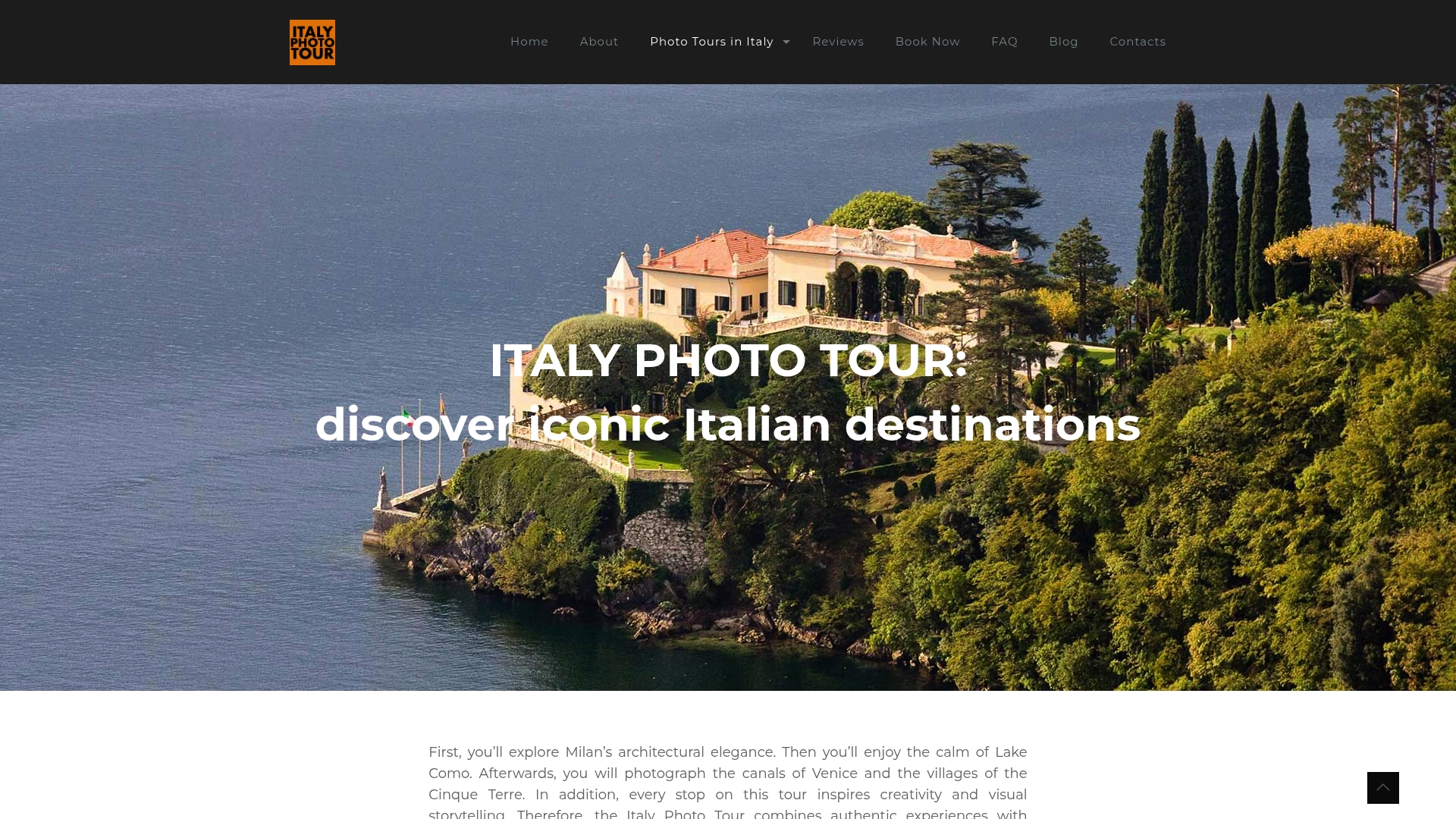
Discover how you can harness the power of light, shadow, and authentic human moments through our specialized tours and expert mentorship. Visit our Uncategorized Archivi – Italy Photo Tour to explore inspiring photography insights, and learn more about our exclusive offerings at Italy Photo Tour. Take the next step to bring your cultural photography to life with guidance from professional photographer Mino Di Vita. Begin your journey today and capture the soul of Italy like never before.
Frequently Asked Questions
How can I effectively capture the interplay of light in Italian cities?
To effectively capture the interplay of light in Italian cities, observe how sunlight interacts with various architectural surfaces. Position yourself strategically and wait for the perfect light moments to reveal extraordinary photographic opportunities.
What strategies should I use to photograph local traditions authentically?
To photograph local traditions authentically, build trust and relationships with local communities. Engage with community members and seek permission before photographing to ensure respectful interactions.
How can I find creative angles when photographing historic landmarks?
To find creative angles when photographing historic landmarks, search for unconventional perspectives and experiment with reflections. Visit the sites during different times of day to discover unique lighting conditions that enhance your images.
What techniques can I use to capture compelling portraits in Italy?
When capturing compelling portraits in Italy, focus on building trust with your subjects and observe their body language. Create an environment where they feel comfortable, allowing you to capture genuine emotional moments.
How do I discover hidden photographic gems beyond tourist hotspots?
To discover hidden photographic gems beyond tourist hotspots, research small regional towns and connect with local photographers. Plan longer stays in less-visited areas to immerse yourself in authentic cultural experiences and uncover unique storytelling opportunities.
What should I consider when photographing food and market scenes?
When photographing food and market scenes, engage with vendors and use natural light to highlight textures. Focus on capturing human interactions and emotional moments to tell the rich stories behind each ingredient and product.