

TL;DR:
- Preparing for golden and blue hours, using proper gear, and adopting a patient mindset enhances Italian cityscape photography.
- Combining iconic landmarks with hidden spots and practicing composition techniques creates compelling, memorable images.
- Patience, cultural immersion, and artistic observation are more crucial than gear or perfect light for capturing Italy’s true city stories.
Italy’s cities are an artist’s palette waiting to be read through a lens. Yet so many photographers return home with images that feel flat, familiar, or interchangeable with a thousand others found online. The difference between a forgettable snapshot and a truly resonant cityscape lies in preparation, creative intent, and knowing where to look when the light turns golden. This guide offers a structured collection of cityscape photography ideas tailored specifically for Italy’s urban landscapes, blending iconic locations with hidden gems, practical technique, and the kind of artistic mindset that transforms a city into a story.
Table of Contents
- How to choose your perfect cityscape shot: Timing, gear, and mindset
- 10 inspiring Italian cityscape ideas: From classic icons to hidden gems
- Comparison table: Key locations vs. lighting, crowds, and creative opportunity
- Creative techniques for unforgettable Italian cityscapes
- Expert perspective: What most cityscape photography guides miss about shooting Italy
- Take your Italian cityscapes further: Learn, travel, and grow
- Frequently asked questions
Key Takeaways
| Point | Details |
|---|---|
| Leverage golden hours | Shoot during sunrise or sunset for rich lighting and less crowded locations. |
| Balance gear and creativity | Pack essential equipment but focus on composition and unique viewpoints for memorable images. |
| Mix classic and hidden shots | Blend iconic Italian landmarks with lesser-known spots for a dynamic portfolio. |
| Edit with purpose | Use post-processing tools like HDR and dehaze for enhanced depth, clarity, and mood. |
How to choose your perfect cityscape shot: Timing, gear, and mindset
Before you ever raise your camera, the most important decisions have already been made. Timing shapes everything. Golden hour and blue hour are the two windows when Italian cities reveal their most enchanting faces, bathing stone facades and shimmering canals in warm amber or cool, electric twilight. Plan your arrivals around these moments and you will immediately separate your work from the midday tourist snapshots.
Gear matters, but it does not need to be overwhelming. A solid set of equipment essentials for cityscapes includes a wide-angle lens for sweeping urban vistas, a sturdy tripod for low-light stability, a polarizing filter to cut reflections on glass and water, and either a mirrorless or DSLR body with full manual controls. These tools give you creative freedom rather than creative limitations. You can explore more about choosing the right best camera gear for Italy before your trip.
For camera settings, shoot in RAW format always. Start with a low ISO (100 to 400) to preserve tonal richness, use aperture values between f/8 and f/11 for sharp depth of field across a cityscape, and let your shutter speed adjust to the light. A remote shutter release or two-second timer eliminates camera shake on long exposures.
Mindset is where most photographers stumble. Arriving early, scouting the location the day before, and staying present for changing weather or unexpected light all separate intentional photographers from casual visitors. Studying urban photography tips before your shoot helps you visualize compositions before you arrive.
“The best cityscape photographs are not taken. They are waited for.” Patience and presence are the most underrated tools in any photographer’s kit.
Pro Tip: Visiting Italy during shoulder seasons, April to May or September to October, gives you longer golden hours, softer directional light, and noticeably thinner crowds at every major viewpoint. The light quality during these months is simply extraordinary.
Having set the creative foundation, let’s get inspired by iconic cityscape opportunities throughout Italy.
10 inspiring Italian cityscape ideas: From classic icons to hidden gems
Italy rewards photographers who think beyond the postcard. These ten ideas blend the iconic with the unexpected, drawing from cities across Italy that each offer something visually irreplaceable.
Milan’s Duomo at blue hour. The Gothic spires glow against a deep cobalt sky. Position yourself on the rooftop terrace for an elevated perspective that most visitors never consider.
Venice’s canals at sunrise. The city belongs entirely to you before 7 a.m. Reflections double the architecture in still water, creating a mirror world of extraordinary calm.
Rome from Castel Sant’Angelo. The Castel Sant’Angelo perspectives across the Tiber River at golden hour offer a layered cityscape of bridges, domes, and warm stone that feels almost painterly.
Florence’s Piazzale Michelangelo at sunset. The classic panorama of the Arno, the Duomo, and the terracotta rooftops is timeless. Arrive 90 minutes early to secure your position and watch the light transform.
Bologna’s porticoes at night. The endless arcaded walkways create natural leading lines that draw the eye deep into the frame. Wet cobblestones after rain multiply the amber street light beautifully.
Matera by moonlight. The ancient Sassi cave dwellings carved into the ravine glow silver under a full moon. This is one of the most otherworldly cityscapes in all of Europe.
Milan’s Bosco Verticale. The vertical forest towers offer a striking juxtaposition of organic greenery against steel and glass, particularly vivid in autumn when the foliage turns.
Venice’s Cannaregio at blue hour. Away from San Marco, this quiet neighborhood offers canal reflections, laundry lines, and authentic Venetian life without the crowds.
Layered city reflections in puddles. After rain, any Italian piazza becomes a canvas. Look down as much as up. A reflection of a cathedral in a shallow puddle can be more arresting than the cathedral itself.
Genoa’s caruggi alleyways. The narrow medieval lanes channel light into dramatic shafts at midday, creating natural chiaroscuro that feels like a Renaissance painting brought to life.
You can find hidden photo spots across Italy that most photographers overlook, and exploring unique Italian photo locations will help you build a personal visual vocabulary beyond the familiar icons.
Pro Tip: For any of these locations, check Google Street View the evening before to pre-visualize your composition. Knowing your framing before you arrive means you spend your golden hour shooting, not searching.
With a fresh set of ideas, compare the essential outcomes and strategies for translating concepts into actionable plans.
Comparison table: Key locations vs. lighting, crowds, and creative opportunity
Choosing where to shoot in Italy involves balancing creative potential against practical realities. The table below gives you an honest, at-a-glance reference for six of the country’s most rewarding cityscape locations, drawing on sunset and crowd timing data for popular viewpoints.
| Location | Best light window | Crowd level | Best season | Creative notes |
|---|---|---|---|---|
| Milan, Duomo rooftop | Blue hour (dusk) | Moderate | Apr, Sep | Elevated angles, Gothic detail, city backdrop |
| Venice, Cannaregio | Sunrise, blue hour | Low | Oct, Nov | Canal reflections, authentic street life |
| Florence, Piazzale Michelangelo | Sunset | High | May, Sep | Classic panorama, arrive 90 min early |
| Rome, Castel Sant’Angelo | Golden hour (sunset) | Moderate | Mar, Oct | Tiber River layers, bridge arches, dome silhouettes |
| Bologna, porticoes | Night, after rain | Low | Oct, Nov | Leading lines, amber light, wet reflections |
| Matera, Sassi viewpoint | Moonlight, blue hour | Very low | Sep, Oct | Ancient textures, cave architecture, dramatic shadows |
Shoulder season golden hours in northern Italy can extend to nearly 90 minutes of usable warm light, a significant advantage over summer’s harsher, shorter windows. Matera and Bologna consistently offer the lowest crowd levels among Italy’s major photographic destinations, making them ideal for photographers who value solitude and creative breathing room.
For beginners, Florence and Rome offer the most forgiving conditions: well-known compositions, accessible viewpoints, and reliable light. For enthusiasts seeking something richer, Matera and Venice’s outer neighborhoods reward patience and mastering Italian cityscapes with images that feel genuinely rare. You can cross-reference this table with detailed Milan urban photography guidance for the northern cities specifically.
Armed with this quick reference, turn from locations to the art of composition and technique for truly standout shots.
Creative techniques for unforgettable Italian cityscapes
Knowing where to stand is only half the craft. How you compose and process your image determines whether it resonates or merely records. These composition techniques form the backbone of strong cityscape work:
- Leading lines: Use bridges, canals, colonnades, and streets to guide the viewer’s eye toward a focal point deep in the frame.
- Natural framing: Archways, doorways, and overhanging branches create a frame within the frame, adding depth and context.
- Reflections: Venice’s canals and Rome’s fountains offer mirror surfaces that double the visual richness of any scene.
- Layering: Place a foreground element, a mid-ground subject, and a background skyline in the same frame to create spatial depth.
- Rule of thirds: Position your horizon or key subject along the grid lines rather than dead center for a more dynamic composition.
Post-processing can either elevate or destroy a cityscape image. Work with intention. Increase clarity slightly (10 to 15 points) to bring out architectural texture. Apply dehaze carefully between 10 and 25 percent to lift atmospheric haze without creating an unnatural look. For HDR blending, keep the effect subtle so the image still feels real rather than rendered.
| Editing step | Recommended value | Effect |
|---|---|---|
| Exposure | +0.3 to +0.7 | Lifts shadows in dark city scenes |
| Clarity | +10 to +15 | Enhances architectural texture |
| Dehaze | +10 to +25 | Removes atmospheric haze |
| Color temperature | Warm (+200) or cool (minus 200) | Sets mood for golden or blue hour |
| Noise reduction | 20 to 40 | Smooths high ISO grain |
“Night shooting requires a tripod and spot metering for best results. Without them, even the most beautiful Italian skyline becomes a blur of lost potential.”
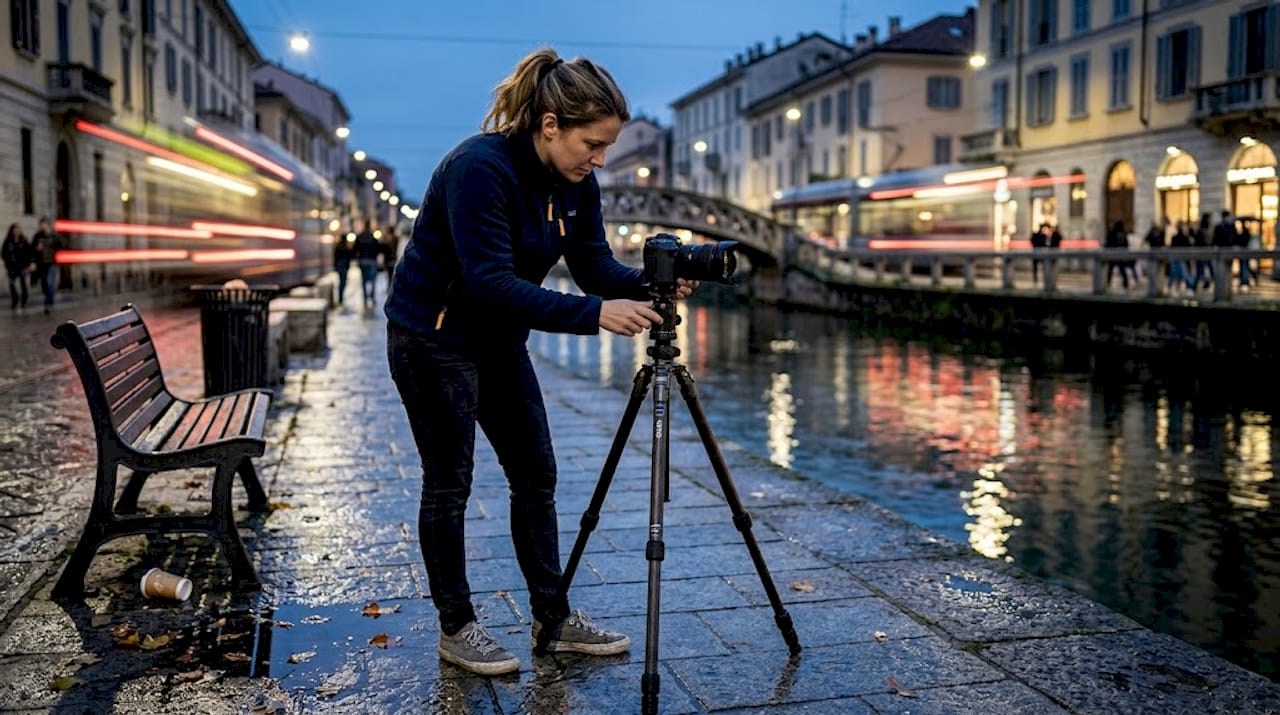
Pro Tip: At blue hour, set your shutter speed to 15 to 30 seconds to capture light trails from passing boats or trams. The motion blur adds vivacity and a sense of the city breathing. Pair this with the composition techniques for Italy and your urban workflow guide for a complete creative system. For further inspiration, the urban photo guide offers a broader landscape perspective worth exploring.
Finally, let’s recap the perspectives that distinguish creative cityscape photographers from casual picture-takers in Italy.
Expert perspective: What most cityscape photography guides miss about shooting Italy
Most guides hand you a checklist: arrive at golden hour, use a tripod, find the famous viewpoint. That advice is sound but incomplete. The photographers who bring home truly remarkable images of Italy are not the ones who followed the checklist most efficiently. They are the ones who stayed an extra hour after the crowd left, who noticed the old man reading beneath a portico in Bologna, who turned away from the Duomo and pointed their lens at the reflection in a café window instead.
The myth that great gear or perfect light is the deciding factor is worth questioning. Patience, cultural immersion, and artistic intent matter far more. Italy’s cities are layered with stories, and the most powerful cityscapes carry a human heartbeat. Seek the juxtaposition of ancient stone and modern life. Look for the moment when a shaft of light falls on a worn doorway and someone passes through it. These are the images that endure.
Exploring artistic photo techniques rooted in observation rather than formula will change the way you see every street corner in Italy.
Take your Italian cityscapes further: Learn, travel, and grow
Reading about cityscape photography ideas is a wonderful beginning. Experiencing them in the field, guided by someone who knows every alley, every light shift, and every hidden angle, is where real growth happens.

Italy Photo Tour offers immersive, small-group photography tours Italy led by professional photographer Mino Di Vita, designed specifically for photographers who want to move beyond the obvious. From the modernist skyline of a Milan Photo Tour to the dreaming canals of Venice, each Italy Photo Tour experience places you in the right light, at the right moment, with expert creative guidance at your side. Your most memorable Italian cityscape is waiting.
Frequently asked questions
What’s the best time of day for cityscape photography in Italy?
Golden hour and blue hour offer the most dramatic, atmospheric light for Italian cityscapes, with warm tones at sunrise and sunset and a cool electric glow just after dusk.
What camera gear should I bring for Italian cityscape shoots?
A wide-angle lens, tripod, and filters are strongly recommended, paired with a camera body that allows full manual control for long exposures and precise exposure settings.
How do I avoid crowds at popular Italian city viewpoints?
Arriving 45 to 60 minutes before sunrise is the most reliable strategy, and choosing hidden locations like Venice’s Cannaregio or Milan’s quieter side streets rewards you with solitude and authenticity.
Which city offers the most unique cityscape shots in Italy?
Venice and Matera stand apart for their singular visual identities, offering canal reflections and ancient cave architecture that simply cannot be found anywhere else in the world.