

Chasing the perfect Italian postcard shot can leave your camera roll looking just like everyone else’s. For many American photographers, an artistic approach transforms a photo tour into a deeper search for meaning, not just a checklist of iconic stops. By treating photography as a blend of creative expression and cultural storytelling, you sharpen your vision and develop technical skills that capture the true atmosphere of Italy. Discover how a focus on conscious composition and intentional observation elevates both your experience and your art.
Table of Contents
- Defining The Artistic Approach In Photo Tours
- Types Of Artistic Photo Tours In Italy
- Techniques For Capturing Light And Atmosphere
- Developing Storytelling And Sensory Skills
- Practical Challenges And Common Pitfalls
Key Takeaways
| Point | Details |
|---|---|
| Embrace an Artistic Mindset | Focus on storytelling through composition, light, and cultural context rather than just capturing famous sites. |
| Choose the Right Tour Type | Select photo tours that align with your artistic goals and strengths to deepen your skills and artistic vision. |
| Understand Light Dynamics | Observe how natural light varies throughout the day to enhance the emotional impact of your photographs. |
| Prepare and Engage | Conduct research on your location’s culture and light patterns to create authentic, respectful imagery while adapting to challenges. |
Defining the Artistic Approach in Photo Tours
An artistic approach to photo tours goes beyond pointing a camera at famous landmarks. It’s about understanding photography as a medium for creative expression that blends technique with meaning-making, where every composition tells a story rooted in the location’s cultural and visual character.
When you embrace the artistic mindset, you’re not hunting for the postcard shot everyone else captures. You’re asking different questions about light, shadow, color, and human narrative. You’re observing how sunlight transforms a stone wall or how locals interact within a narrow Venetian alley. This shift changes everything about how you move through a place and what your images ultimately communicate.
The core components of an artistic photo tour approach include:
- Conscious composition: Deliberately arranging elements within your frame to create visual balance and emotional impact, not accidental placement
- Light as subject: Treating light and shadow as characters in your image, not just illumination for a subject
- Cultural context: Understanding the stories, history, and people behind the locations you photograph
- Intentional timing: Being present during specific moments—golden hour, quiet mornings, or bustling market scenes—that match your artistic vision
- Personal perspective: Developing your unique visual voice rather than copying established tourism photography
This artistic framework transforms how you experience Italy itself. A Tuscan hillside becomes a study in warm earth tones and atmospheric perspective. A Milan street corner reveals geometric patterns and human geometry working in concert. Venice’s canals offer endless lessons in reflection, color interaction, and compositional balance.
The artistic approach asks you to see locations as visual puzzles waiting for your creative interpretation, not destinations to check off a list.
When you work with intentional artistic direction, you develop skills that transfer far beyond these tours. You learn to see light quality before choosing a location. You understand how foreground, middle ground, and background work together. You recognize decisive moments that carry emotional weight. These skills become part of your permanent photographic vocabulary.
The difference shows instantly in the images. Instead of technically correct but forgettable photos, you capture work with personality, mood, and narrative depth. Viewers feel something when they see your images, not just recognize a famous place.
Pro tip: Before each photo tour, spend time studying the light patterns and cultural character of your destination—this preparation sharpens your artistic eye and helps you move purposefully rather than randomly searching for shots.
Types of Artistic Photo Tours in Italy
Italy offers diverse artistic photo tour experiences tailored to different creative interests and skill levels. Each type emphasizes distinct visual narratives, from architectural precision to cultural storytelling, allowing you to focus your artistic exploration on what resonates most with your photographic voice.
Here are the main categories you’ll encounter:
- Historical and cultural landmark tours: Focus on UNESCO sites, Renaissance architecture, and locations steeped in artistic heritage where light and composition tell stories of centuries past
- Landscape and natural environment tours: Emphasize dramatic topography, seasonal color shifts, and atmospheric conditions across Tuscany, the Dolomites, and coastal regions
- Urban and street photography tours: Explore Milan, Rome, and Florence through the lens of daily life, geometric architecture, and human interaction within city spaces
- Color and light specialty tours: Concentrate on locations like Burano or Cinque Terre where vivid hues and specific light conditions create unique photographic opportunities
- Seasonal thematic tours: Leverage spring blossoms, golden-hour summers, autumn vineyards, or winter atmospheric moods for contextual artistic expression
When selecting a tour type, consider how different locations demand different artistic approaches. Curated photographic workflows help you navigate the visual complexities of famous sites, allowing you to move with intention rather than improvise randomly through iconic spaces.
Historical tours require understanding how light interacts with stone and shadow—the way morning sun strikes a Venetian facade differs dramatically from afternoon conditions. Landscape tours demand patience with weather patterns and understanding atmospheric perspective across distance. Urban tours need keen observation of human moments and geometric arrangements happening in real time.
Your tour type should match your artistic goals, not the other way around—choose the framework that challenges you creatively.
Many photographers benefit from starting with one strong type before branching out. This focus deepens your visual literacy in specific conditions rather than spreading your attention too thin across too many aesthetic challenges.
Here’s a quick reference comparing artistic photo tour types and their ideal creative focus:
| Tour Type | Ideal Subject Matter | Visual Challenges | Recommended Skill Level |
|---|---|---|---|
| Historical & Cultural | Architecture, heritage sites | Storytelling, mood | Intermediate to advanced |
| Landscape & Nature | Rural scenery, mountain vistas | Light shifts, atmosphere | Beginner to advanced |
| Urban & Street | City life, human interaction | Geometry, decisive moments | Intermediate |
| Color & Light | Vivid palettes, reflections | Timing, saturation | All levels |
| Seasonal Themes | Blossoms, vineyards, fog | Context, mood changes | All levels |
Pro tip: Select a tour type that excites you most, then study that specific Italian region’s light patterns, seasons, and cultural character for two weeks before arrival—this preparation transforms you from observer to intentional artist.
Techniques for Capturing Light and Atmosphere
Capturing compelling light and atmosphere separates memorable images from technically correct snapshots. This requires understanding how light changes throughout the day, season, and weather—then positioning yourself to exploit those shifts intentionally for emotional impact.
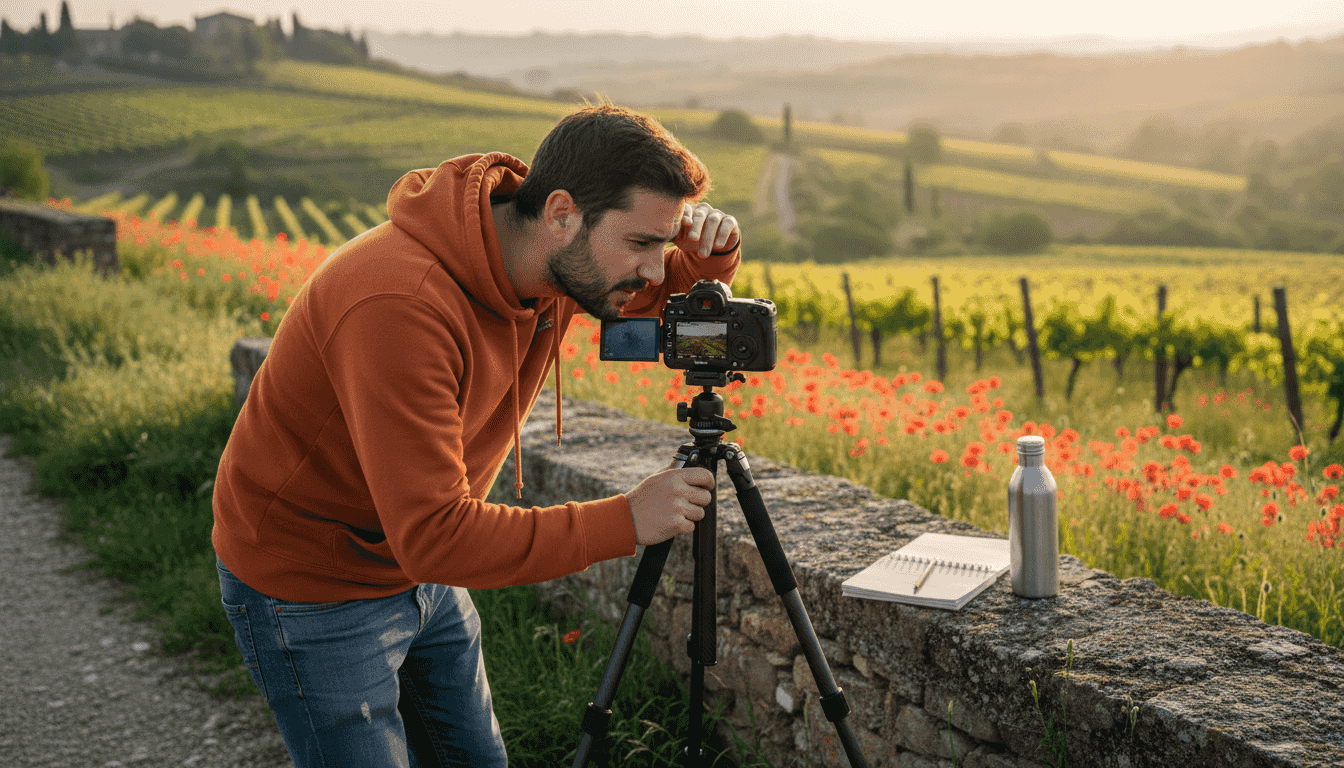
Start by observing natural light variations at your chosen location. Morning light differs dramatically from afternoon light in color temperature, angle, and intensity. Golden hour offers warm tones and long shadows that create dimension. Midday produces harsh contrast that can work artistically if you embrace shadows as compositional elements. Late afternoon brings softer, diffused quality perfect for atmospheric mood.
Key techniques include:
- Meticulous observation: Study how light behaves in your specific location before shooting—watch for 15 minutes, not 15 seconds
- Color temperature awareness: Recognize how dawn light is blue, midday is neutral, and sunset is warm—use these shifts deliberately
- Shadow as subject: Treat shadows with equal importance to lit areas; they create shape, mystery, and visual rhythm
- Reflection and water: Leverage puddles, canals, and wet surfaces to double your light sources and add atmospheric depth
- Weather as tool: Rain, fog, and clouds aren’t obstacles—they’re atmospheric enhancers that soften light and create mood
Camera settings matter for executing your vision. Understanding camera settings like aperture and shutter speed helps you control how light reaches your sensor and whether motion appears frozen or flowing. Aperture controls depth of field, shutter speed manages motion blur, and ISO sensitivity adapts to available light without losing image quality.
Composition amplifies atmosphere. Place your primary subject off-center where light is strongest, leaving shadow areas that draw the eye inward. Use foreground elements to frame distant atmospheric conditions. Include human figures in shadow to suggest narrative and scale.
Light and atmosphere work together—you need both technical control and artistic sensitivity to capture images that move people, not just document places.
Many photographers rush through locations without truly seeing them. Slow down. Sit in one spot for 30 minutes. Watch how light transforms a doorway, a wall, a narrow alley. This patient observation teaches you more than dozens of quick visits.
Pro tip: Shoot the same composition at three different times of day—sunrise, midday, and sunset—then compare the images to understand how light fundamentally changes mood and visual impact, training your eye for future locations.
Developing Storytelling and Sensory Skills
Great photography communicates beyond what’s visible in the frame. It triggers emotions, memories, and sensations. Developing strong storytelling skills means learning to weave narrative threads through your images—suggesting texture, movement, sound, and atmosphere that viewers can almost feel.
Start by asking what story each location wants to tell. A weathered doorway speaks of time and passage. Hanging laundry suggests domestic life and human presence. Narrow shadows between buildings create mystery and confinement. These aren’t random details—they’re narrative elements waiting for your artistic eye.
Cultivate sensory awareness through intentional observation:
- Visual textures: Rough stone, smooth water, weathered wood—show these through light and shadow, not just description
- Implied sound: Empty streets suggest silence; crowded markets suggest noise—capture the atmosphere that triggers these sensations
- Movement and energy: Flowing water, wind-blown fabrics, human gesture—frozen motion tells stories about how places live
- Spatial relationships: How do elements interact? Proximity, layering, and depth communicate relationship and hierarchy
- Emotional resonance: What feeling does this moment carry? Loneliness, joy, transition, permanence—let that guide your composition
When composing images that narrate cohesive stories, include sensory details that transport viewers beyond the visual. A single figure in a vast plaza suggests isolation. Rain-slicked cobblestones evoke smell and dampness. Shadows suggest coolness and mystery. Warm light suggests comfort and invitation.
Practice reflective photography by pausing between shots. Notice what draws your attention emotionally, not just technically. Why does that corner fascinate you? Is it the light, the history, the human activity, or something less definable? Honor that instinct—it’s your artistic voice emerging.
Many amateur photographers focus solely on what’s sharp and well-exposed. Professional artists ask what story the image tells and what sensations it evokes in viewers. This mindset shift transforms your entire approach to photo tours.
Sensory storytelling doesn’t happen by accident—it emerges from deliberate observation and intentional compositional choices that honor what you genuinely feel about a place.
Review your images not just for technical merit but for emotional impact. Do they make viewers curious? Do they suggest stories beyond the frame? Do they evoke sensations? If not, return to that location and dig deeper.
Pro tip: Before photographing a location, spend five minutes with your eyes closed—listen to sounds, feel the air temperature, notice smells—then open your eyes and shoot with those sensations guiding your compositions.
Practical Challenges and Common Pitfalls
Artistic photo tours in Italy face real obstacles. Weather shifts without warning. Tourist crowds block your preferred angles. Equipment fails at critical moments. Cultural contexts get misunderstood. These aren’t failures—they’re part of the journey. What matters is recognizing them early and responding with flexibility.
Unpredictability is constant. Weather changes wreck carefully planned shots. Afternoon rain transforms light quality completely. Heavy clouds eliminate the golden hour you traveled hours to capture. Tourist seasons bring crowds that make isolation impossible for contemplative photography. Sometimes you arrive at a location only to find it inaccessible or fundamentally changed.
Common technical and creative pitfalls include:
- Over-technical focus: Chasing perfect exposure and sharpness while missing the story or atmosphere that matters
- Cultural misinterpretation: Photographing traditions or moments without understanding their significance or asking permission
- Insufficient location research: Arriving unprepared about a place’s history, light patterns, and practical access
- Equipment obsession: Spending energy on gear rather than developing your artistic vision and observation skills
- Rushed photography: Moving too quickly through locations without allowing time for genuine discovery and reflection
The real challenge lies in balancing artistic intention with documentary authenticity. You want compelling images, but not at the expense of honest representation. You want artistic expression, but grounded in genuine engagement with place and people.
Logistical realities complicate artistic goals. Group dynamics on photo tours mean accommodating different skill levels and interests. Physical limitations—age, fitness, access issues—affect where you can photograph. Time constraints force choices about which locations deserve deep exploration versus quick visits.
Many photographers underestimate the importance of preparation and cultural knowledge. Arriving with assumptions rather than curiosity leads to superficial images. You might photograph a religious ritual without understanding its meaning. You might capture a local tradition without respecting its context.
The gap between your artistic vision and reality is where growth happens—not in perfect conditions, but in adapting creatively to what actually exists.
Weather-related frustration often stems from expecting clear skies. Gray days offer softer light and atmospheric mood. Rainy streets create reflections and texture. Fog obscures distant elements while emphasizing foreground. These conditions aren’t obstacles—they’re different creative opportunities requiring different artistic responses.
The following comparison summarizes common photo tour obstacles and artistic strategies to overcome them:
| Challenge | Artistic Response | Creative Opportunity |
|---|---|---|
| Unpredictable Weather | Adapt approach, use mood | Capture atmospheric effects |
| Tourist Crowds | Shift angles, focus details | Discover unique perspectives |
| Cultural Misunderstanding | Learn context, engage locals | Create authentic storytelling |
| Technical Distractions | Minimize gear use | Enhance visual expression |
| Limited Access | Plan alternates, scout spots | Explore unseen locations |
Pro tip: Build flexibility into your photo tour plans by identifying three shooting locations per day instead of one, preparing backup ideas for different weather conditions, and researching cultural contexts before arriving so you photograph respectfully and authentically.
Elevate Your Photography with an Artistic Photo Tour in Italy
Struggling to move beyond generic snapshots and truly capture the soul of Italy through your lens Do you want to master conscious composition, light as subject, and storytelling that transforms your images into emotional stories Italy Photo Tour understands these challenges and offers immersive, guided experiences tailored to photographers who seek deeper artistic expression Learn how to navigate unpredictable weather, busy tourist spots, and cultural nuances with a seasoned professional who guides your creative vision every step of the way Discover more about our approach and unique offerings in the Uncategorized Archivi – Italy Photo Tour to see how intentional artistry turns each location into a visual story waiting to be told
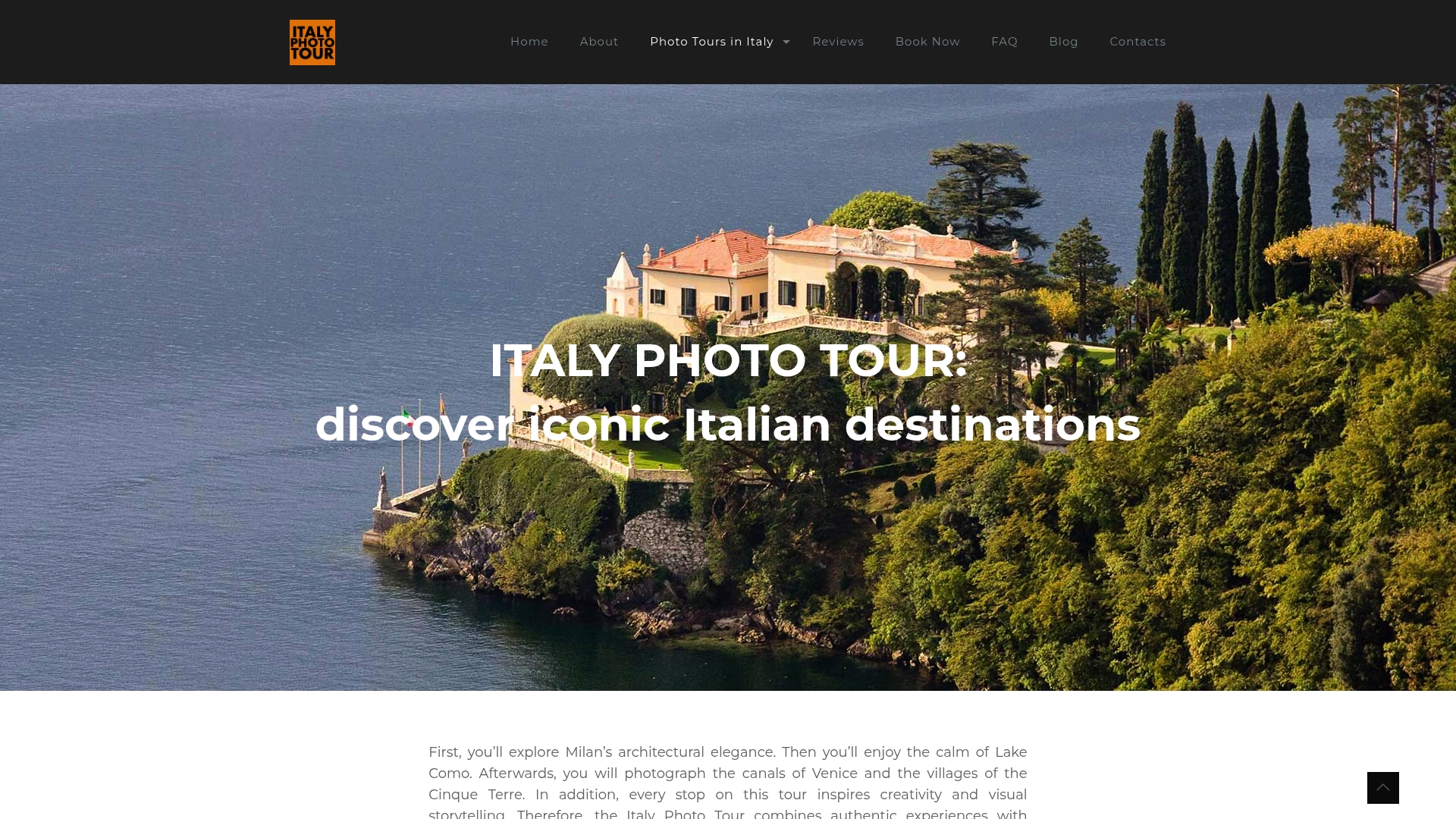
Unlock new skills in light, atmosphere, and sensory storytelling by joining Italy Photo Tour’s expertly curated sessions in Milan, Tuscany, Venice, and more Visit Italy Photo Tour to reserve your spot now and start transforming your photo tours into authentic, creative journeys Embrace your artistic voice today and see Italy not just as a destination but as your canvas for meaningful visual narratives
Frequently Asked Questions
What is an artistic approach to photo tours?
An artistic approach to photo tours emphasizes creative expression through photography by focusing on composition, light, and cultural context rather than simply capturing famous landmarks.
How can I improve my photography skills on a photo tour?
To improve your photography skills, embrace conscious composition, practice observing natural light variations, and develop your storytelling abilities by paying attention to the emotional aspects of each location.
What types of artistic photo tours are available?
Artistic photo tours may include historical and cultural landmark tours, landscape and nature tours, urban and street photography tours, color and light specialty tours, and seasonal thematic tours, each catering to different creative interests.
What common pitfalls should I avoid on a photo tour?
Common pitfalls include focusing too much on technical aspects while neglecting storytelling, misunderstanding cultural contexts, and rushing through locations without taking time to reflect and observe properly.