

Traveling through Italy with your camera brings endless inspiration, but deciding what gear to pack and how to capture its diverse beauty can feel overwhelming. The vibrant culture, changing weather, and dramatic light present both opportunities and real challenges for photographers. Whether you’re wandering Roman streets or exploring Tuscany’s rolling hills, the choices you make directly affect your creative results and storytelling power.
This guide gives you practical, actionable strategies that help you select the right equipment, adapt to unpredictable Italian conditions, scout standout locations, and protect your images. You’ll discover insider tips that shift your approach from reactive to intentional, letting you create meaningful photos instead of just snapshots. Unlock secrets that transform your travel photography and make every shot count.
Table of Contents
- Choose The Right Camera And Lens For Italy
- Plan For Changing Light And Weather Conditions
- Pack Lightweight Travel Photography Gear
- Scout Locations For Creative Shots
- Capture Local Culture And Human Stories
- Protect And Manage Your Photos On The Go
Quick Summary
| Takeaway | Explanation |
|---|---|
| 1. Choose lightweight gear wisely | Opt for a lightweight mirrorless camera and a maximum of two versatile lenses to enhance mobility and creativity on your trip. |
| 2. Embrace changing weather as an ally | Capture unique atmospheres by adapting to various weather conditions, using them to enhance your storytelling rather than hindering your plans. |
| 3. Scout locations ahead of time | Visit sites at different times to understand light and crowd dynamics, improving your composition and creative possibilities during photo shoots. |
| 4. Connect with local culture and people | Approach locals with genuine curiosity to capture authentic moments, allowing your photos to convey deeper stories that resonate with viewers. |
| 5. Implement a reliable backup system | Establish a multi-tiered backup strategy for your photos, using multiple memory cards and storage devices to protect your valuable work from loss. |
1. Choose the Right Camera and Lens for Italy
Your camera is your storyteller in Italy, but the right gear isn’t about having the newest or most expensive model. It’s about choosing equipment that matches your skill level, travels comfortably, and lets you focus on light, composition, and the stories unfolding around you.
When selecting a camera body, you have several practical options. Lightweight mirrorless models offer exceptional portability without sacrificing image quality, making them ideal for long days navigating cobblestone streets and narrow alleyways. Professional DSLRs provide familiar handling and extensive lens compatibility, while compact point-and-shoots work wonderfully if you prefer maximum simplicity.
The camera you choose matters less than how intentionally you use it. Your lens selection will ultimately define your creative possibilities.
Lenses determine how you see and frame Italy’s scenes. Rather than packing your entire collection, travel photographers recommend a strategic, minimal approach:
- Wide zoom lens for landscapes and architectural breadth, capturing expansive Tuscan valleys or Venice’s architectural complexity
- 35 to 50mm prime lens for intimate storytelling and street photography, encouraging you to move and compose rather than zoom
- Telephoto lens for outdoor scenes and compressed perspectives when you need to isolate subjects
The Sigma 17-50mm f/2.8 lens combination with a 55-200mm telephoto provides versatile range and performs well indoors where Italian churches and cathedrals demand lower-light capability. A discreet 24mm prime extends your toolkit for light travel while maintaining creative flexibility.
Prime lenses deserve special attention. They force intentional composition because you cannot zoom, requiring you to physically position yourself for the best angles. This constraint becomes your greatest creative advantage, transforming how you see Italy’s scenes with fresh perspective.
Consider your travel style when finalizing your choice. Will you be hiking mountain trails or strolling through cities? Do you value maximum versatility or minimal weight? Understanding your travel photography priorities helps you select lenses that support your creative vision rather than creating frustration.
Pro tip: Pack one quality standard lens you absolutely love alongside one complementary lens rather than five mediocre options; you’ll create stronger images and enjoy the freedom of carrying less weight through Italy’s winding streets.
2. Plan for Changing Light and Weather Conditions
Weather transforms everything you photograph in Italy. Rather than waiting for perfect sunshine, professional photographers view rain, fog, mist, and clouds as creative opportunities that deepen mood, add texture, and tell richer stories than clear skies alone.
Light quality shifts dramatically throughout the day and across seasons. Early morning light arrives soft and golden, midday sun creates harsh shadows, and late afternoon brings that enchanting golden hour when everything glows. Italy’s seasonal variations compound this complexity. Tuscany experiences unpredictable spring rains, stable summer sunshine, and dramatic autumn skies that shift your creative possibilities hourly.
Weather is not an obstacle to overcome. It’s your collaborator in visual storytelling.
Different conditions serve distinct creative purposes:
- Bright sun requires careful exposure adjustment and creates strong shadows for dramatic contrast
- Overcast skies provide naturally soft, diffused light perfect for portraits and detailed architectural work
- Fog and mist add atmospheric depth and mystery to landscapes, isolating subjects and simplifying composition
- Rain creates reflections, saturates colors, and captures urban scenes with renewed energy
The key is adapting your approach rather than abandoning your plans. Understanding how daylight changes throughout the day helps you anticipate light quality and position yourself strategically.
Tuscany’s weather patterns reward flexibility. Instead of rigid itineraries, build contingency plans that embrace seasonal variation. Spring storms create dramatic skies. Summer heat produces sharp-edged shadows. Autumn brings moody, compressed light. Each season offers distinct visual possibilities through weather-driven storytelling.
Prepare your gear for weather shifts. Protect your camera from rain with weather-sealed bodies or protective covers. Bring microfiber cloths for moisture. Keep extra batteries nearby since cold or damp conditions drain them faster. These simple preparations let you shoot confidently regardless of conditions.
Your mindset matters most. Photographers who embrace weather variations consistently capture stronger, more authentic images than those waiting for ideal conditions. The most memorable Italian scenes often emerge during challenging light, when you’re forced to be creative and intentional.
Pro tip: Scout locations during unfavorable weather conditions to understand how light and mood transform throughout different seasons, then return during your preferred light to execute shots enriched by your deeper location knowledge.
3. Pack Lightweight Travel Photography Gear
Weight becomes your greatest enemy on a photo tour. Every unnecessary pound steals energy you could spend exploring, climbing, and chasing light through Italy’s winding streets and hilltop villages. Strategic packing transforms your mobility and creativity.
The philosophy is simple: bring only what you’ll actually use. Many photographers pack gear they imagine needing, only to leave it unused in their hotel room. Before packing anything, ask yourself if you’ve used it in the past month at home. If not, leave it behind.
Lightweight gear isn’t about buying new equipment. It’s about ruthlessly eliminating what doesn’t serve your vision.
Essential items that earn their weight in your bag:
- A compact camera body with weather sealing for unexpected conditions
- Two quality lenses maximum, not your entire collection
- Sturdy but lightweight tripod for stable compositions and self-portraits
- Extra batteries and memory cards stored in small, organized cases
- Protective camera bag that carries everything comfortably
- Cleaning supplies including microfiber cloths and sensor cleaner
- Basic first aid and weather protection for your gear
Your travel bag choice matters significantly. Invest in a well-designed photography backpack or messenger bag that distributes weight evenly. A comfortable bag encourages you to carry your camera rather than leaving it behind when fatigue sets in.
Accessories consume weight disproportionate to their value. Skip the elaborate filters, multiple straps, and redundant cleaning kits. One high-quality protective filter per lens and a single versatile cleaning cloth suffice. Understanding how to work with available light reduces your dependence on lighting accessories altogether.
Consider mirrorless camera systems over traditional DSLRs. Mirrorless bodies and lenses are generally more compact without sacrificing image quality, giving you creative power in a lighter package. This weight savings accumulates across long days of photography.
Organization prevents forgotten items and reduces pack chaos. Use small pouches for batteries, cables, and accessories. Label everything clearly. A well-organized bag weighs the same but feels lighter because you find what you need instantly without frustrated digging.
Pro tip: Weigh your complete camera bag before your trip; if it exceeds twelve pounds, remove items until it’s comfortable to carry for eight hours, then reprioritize what truly matters to your creative vision.
4. Scout Locations for Creative Shots
The best photographs rarely happen by accident. They emerge from intentional exploration and understanding a location’s visual possibilities before you arrive with camera in hand. Scouting transforms ordinary locations into storytelling opportunities.
Scouting means visiting locations at different times of day and seasons to understand how light moves across surfaces, where shadows fall, and how crowds shift. A piazza that feels crowded at noon becomes intimate at dawn. A palazzo wall that’s flat in harsh midday light glows with texture during golden hour. These discoveries inform your creative decisions.
The photographers who create compelling images are those who return to locations multiple times, learning their secrets before attempting their masterpiece.
Approach scouting systematically:
- Visit locations during different daylight hours to observe light quality and direction
- Explore from multiple angles, including elevated positions and hidden alleyways
- Notice seasonal details like flowering vines, autumn colors, or water reflections
- Identify foreground elements that add depth and compositional interest
- Scout during both crowded and quiet hours to understand the location’s rhythm
- Research the location’s history to understand its cultural and visual significance
Use your phone or a basic camera to document initial observations. Take notes about timing, light quality, and compositional possibilities. These records become invaluable references when you return with your serious equipment.
Local perspectives reveal hidden gems that guidebooks miss. Conversations with residents, shop owners, and hotel staff uncover authentic locations that reward your curiosity. They share stories and context that deepen your understanding of what you’re photographing.
Tuscany’s rolling hills and medieval villages offer infinite compositional possibilities, but their best moments reveal themselves through patient exploration rather than rushed visits. Understanding a location’s character takes time.
Scout locations without pressure to photograph. This separation between exploration and execution frees your mind to observe deeply. You notice details, patterns, and possibilities you’d miss if you were simultaneously trying to capture images.
Return to scouted locations with clear creative intentions. You’ll work faster, make bolder choices, and produce stronger images because you’ve already solved compositional challenges through exploration.
Pro tip: Scout at least two hours before your planned shoot time to identify optimal angles and light positions, then position yourself with time to spare so you’re ready when the light becomes magical.
5. Capture Local Culture and Human Stories
Italy’s soul lives in its people, traditions, and everyday moments. The most memorable photographs transcend landscape and architecture, revealing human connection, cultural richness, and authentic stories that resonate long after your trip ends.
Cultural photography requires genuine curiosity about the lives you’re documenting. Approach people and situations with respect, humility, and authentic interest in their stories rather than viewing them as photographic subjects. This mindset transforms your images from superficial snapshots into meaningful human portraits.
The best cultural photographs come from genuine connection, not from shooting and moving on.
Focus on these authentic storytelling moments:
- Local markets overflowing with seasonal produce, colorful vendors, and daily commerce
- Food scenes showing preparation, sharing, and enjoyment of traditional Italian cuisine
- Artisans and craftspeople working at their trades with passion and expertise
- Candid portraits capturing genuine emotion and character in everyday interactions
- Couples and families enjoying leisurely moments together in public spaces
- Street performers, musicians, and cultural celebrations revealing community spirit
Golden hour light transforms these scenes into visual poetry. Timing your captures around morning and evening light adds warmth and dimension to cultural narratives, revealing texture and emotion in human faces and hands at work.
Seek permission before photographing people. A brief conversation, even in broken Italian, shows respect and often leads to more natural, cooperative interactions. Many people appreciate your genuine interest and will invite you into their world more openly.
Exploring cultural photography ideas helps you develop a consistent visual language that celebrates Italian traditions. Look for patterns, repetition, and contrasts that reveal cultural character. An elderly woman’s weathered hands kneading pasta tells stories of tradition and craftsmanship.
Capture movement and interaction rather than static poses. The energy of a piazza, the animation of conversation, the enthusiasm of celebration all convey cultural vitality that static portraits miss.
Pro tip: Spend at least two hours in a single location observing light, human behavior, and cultural rhythms before you start photographing, allowing people to become comfortable with your presence and revealing authentic moments you’d miss with rushed shooting.
6. Protect and Manage Your Photos on the Go
Your photographs represent weeks of planning, travel, and creative effort. Losing them to equipment failure or data corruption would devastate both your memories and your investment. Smart backup strategies protect your work while traveling through Italy.
Data loss happens quickly on the road. Memory card failures, accidental deletions, and equipment damage threaten your irreplaceable images. The solution is redundant backup systems that prevent catastrophic loss through multiple storage approaches.
One backup is not a backup. Two backups is not a backup. Three copies of your data ensures your work survives any single failure.
Implement this backup hierarchy:
- Carry multiple memory cards and never delete originals while traveling, only mark rejected images
- Use compact, durable portable SSDs or hard drives for daily backup and file redundancy
- Review and back up photos to a laptop daily whenever possible for additional security
- Avoid formatting memory cards during travel to minimize accidental data loss risks
- Label all storage devices clearly to stay organized and prevent confusion
- Consider cloud storage as supplementary backup if reliable connectivity is available
Rugged portable drives like the LaCie Rugged Mini offer fast transfer speeds and durable protection for daily backups, enabling you to work efficiently without sacrificing reliability.
Invest in quality protective cases for your gear. Waterproof, shock-resistant cases protect cameras and drives from Italy’s unexpected weather and accidental drops during travel. This physical protection prevents expensive repairs and data loss from environmental damage.
Organize your backup workflow methodically. Create a daily routine of transferring images from memory cards to at least two separate storage devices. This consistency removes decision-making and ensures nothing falls through the cracks.
Carry backup batteries for portable drives and laptops. Power runs out when you need it most, interrupting backup processes and leaving images vulnerable. Redundant power sources keep your backup system functioning regardless of charging access.
Research accommodation options before arrival. Hotels, rental apartments, or public spaces with reliable internet enable daily uploads to cloud storage as additional protection. Connectivity matters more for security than you might initially realize.
Pro tip: Back up your photos twice daily, morning and evening, using different storage devices, so you never have more than twelve hours of irreplaceable work at risk, and store one backup device separately from your camera bag while traveling.
Below is a comprehensive table summarizing the main strategies and recommendations for photography planning in Italy discussed throughout the article.
| Topic | Key Points | Recommendations |
|---|---|---|
| Camera Selection | Choose lightweight and versatile cameras suitable for travel and individual skill levels. | Consider mirrorless cameras for portability and DSLRs for lens compatibility. |
| Lens Choice | Pack essential lenses for different shooting styles while minimizing weight. | Wide zoom for landscapes, primes for storytelling, and telephoto for subject isolation. |
| Adapting to Light | Utilize varying weather and light conditions to enhance storytelling. | Embrace cloudy skies, fog, and rain for their unique visual effects. |
| Travel Packing | Optimize gear packing to reduce weight and maintain functionality. | Limit gear to essentials such as a compact camera body, two lenses, and spare batteries. |
| Location Scouting | Understand lighting moods and location dynamics for intentional composition. | Scout multiple times under various conditions to anticipate the best shot opportunities. |
| Cultural Photography | Foster genuine connections to capture authentic human moments. | Engage subjects with respect and patience; time captures during golden hours. |
| Backup Strategies | Implement redundant systems to prevent data loss during travel. | Carry multiple backup devices and use cloud storage when possible. |
Elevate Your Italy Photography Experience with Expert Guidance
Embarking on your Italy photo tour can feel overwhelming when you consider the essentials from camera gear to scouting the perfect location. This article highlights critical challenges such as selecting the right lenses, adapting to Italy’s changing light and weather, and capturing authentic cultural stories. These pain points often leave photographers wishing for deeper insight and personal support to create truly compelling images.
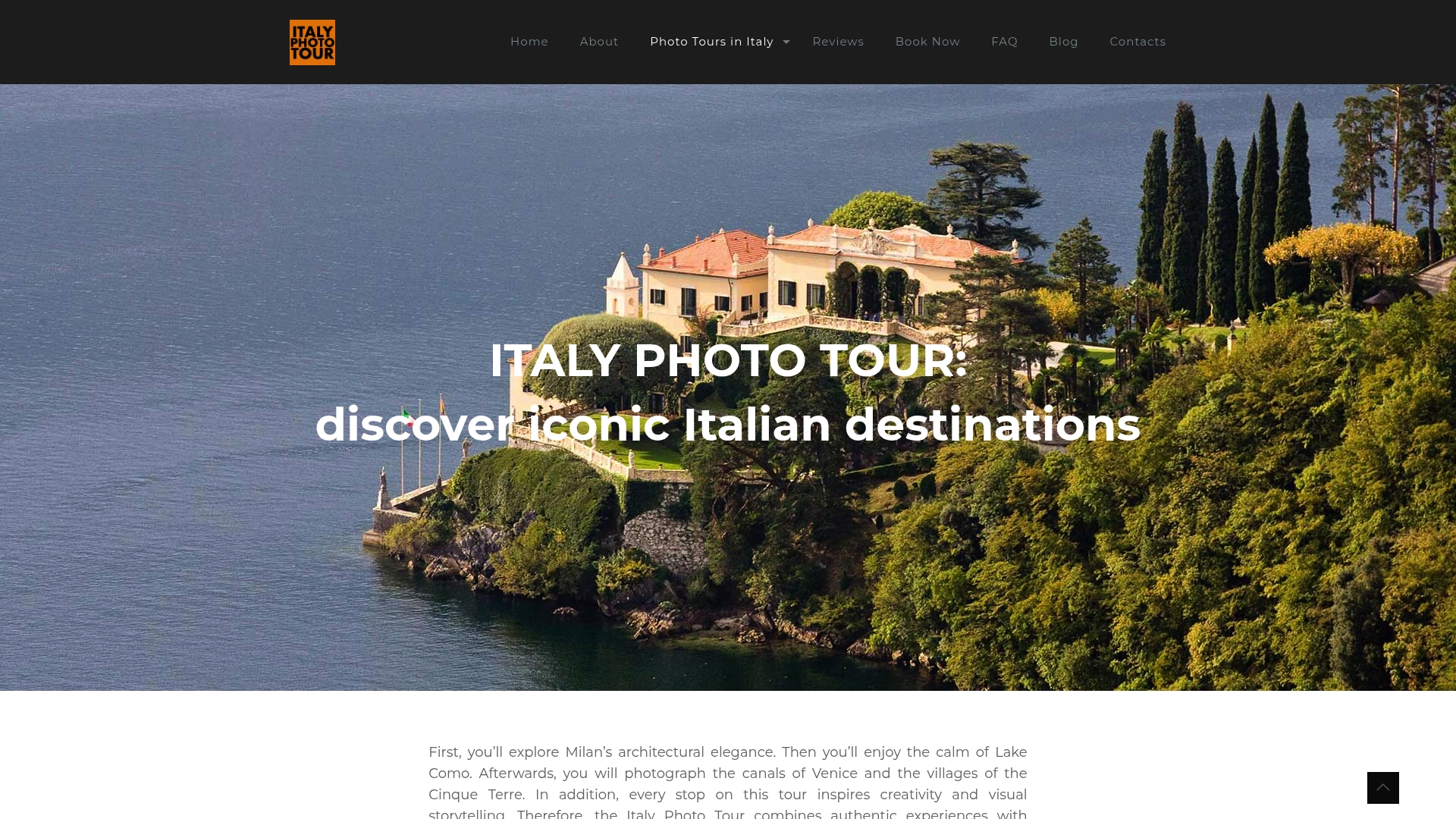
Discover how to transform these challenges into creative advantages with our immersive photography experiences designed to sharpen your skills and enrich your visual storytelling. At Italy Photo Tour, professional photographer Mino Di Vita leads you through iconic destinations like Tuscany, Venice, Milan, and Cinque Terre. Learn how to master natural light, connect with local culture, and develop an artistic approach that resonates beyond snapshots. Gain firsthand experience with practical techniques such as lightweight gear selection and location scouting that bring your vision to life.
Ready to move from theory to practice and create unforgettable Italian photographs? Explore our tailored Italy Photo Tour offerings and join a community passionate about authentic, sensory storytelling. Begin your journey today by learning more in our Uncategorized Archivi – Italy Photo Tour section and unlock new creative horizons.
Frequently Asked Questions
What camera gear should I bring for my Italy photo tour?
Bring a lightweight camera body, two quality lenses, and essential accessories. Focus on a versatile wide zoom lens and a prime lens to capture Italy’s landscapes and street life. This approach allows you to travel lightly while still being creatively equipped.
How can I prepare for varying lighting and weather conditions in Italy?
Adapt your shooting plans to embrace different weather conditions as creative opportunities. Prepare by knowing the light quality at different times of the day and keeping your gear protected from rain and moisture. Practicing this flexibility enables you to capture compelling images regardless of the weather.
What items are essential for my travel photography bag?
Pack lightweight essentials like a compact camera, two lenses, a sturdy tripod, and protective cases for your gear. Prioritize organization by using pouches for batteries and accessories; this can help streamline your process during your photo tour.
How should I scout locations for photography?
Scout locations by visiting them at various times of day to observe lighting conditions and crowd patterns. Take detailed notes and photos of potential angles and compositions; this preparation can enhance your shooting efficiency during your actual photo sessions.
What strategies can I use to capture authentic local culture in my photos?
Engage genuinely with the locals while exploring markets and public spaces to capture meaningful stories. Spend time observing their interactions and demonstrate respect by seeking permission before taking their photographs; this approach leads to more authentic and compelling images.
How can I ensure my photos are backed up while traveling?
Implement a redundant backup system using multiple memory cards, portable drives, and daily file transfers to a laptop. Create a routine for backing up your images regularly; aim to back up your work every morning and evening to minimize the risk of losing important files.